Related Articles
Buying a smartphone is an important decision because a phone is something we use almost every day. It helps us communicate with family and friends, browse the internet, take photos, watch videos, use social media, attend online classes, manage work, and much more. With so many smartphone brands and models available today, choosing the right device can sometimes feel confusing.
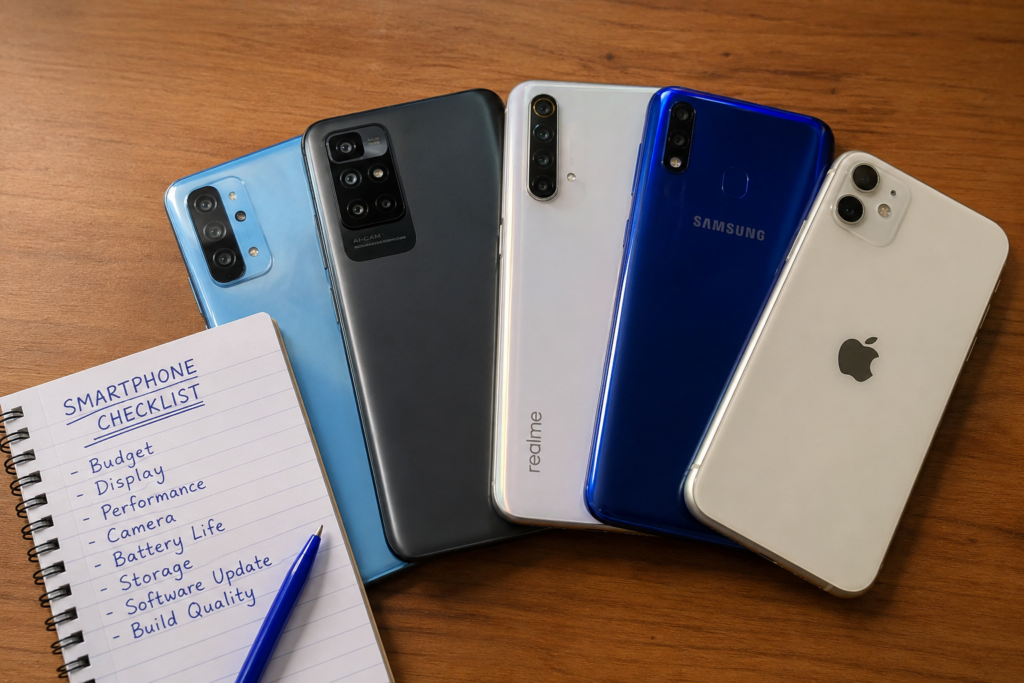
Before buying a smartphone, it is better to understand your own needs instead of simply choosing a phone because it looks attractive or has a popular name. A good smartphone should offer the right balance of performance, battery life, camera quality, storage, display, software, and price.
In this article, I will explain what to consider before buying a smartphone so you can make a smart and practical decision.
Set Your Smartphone Budget
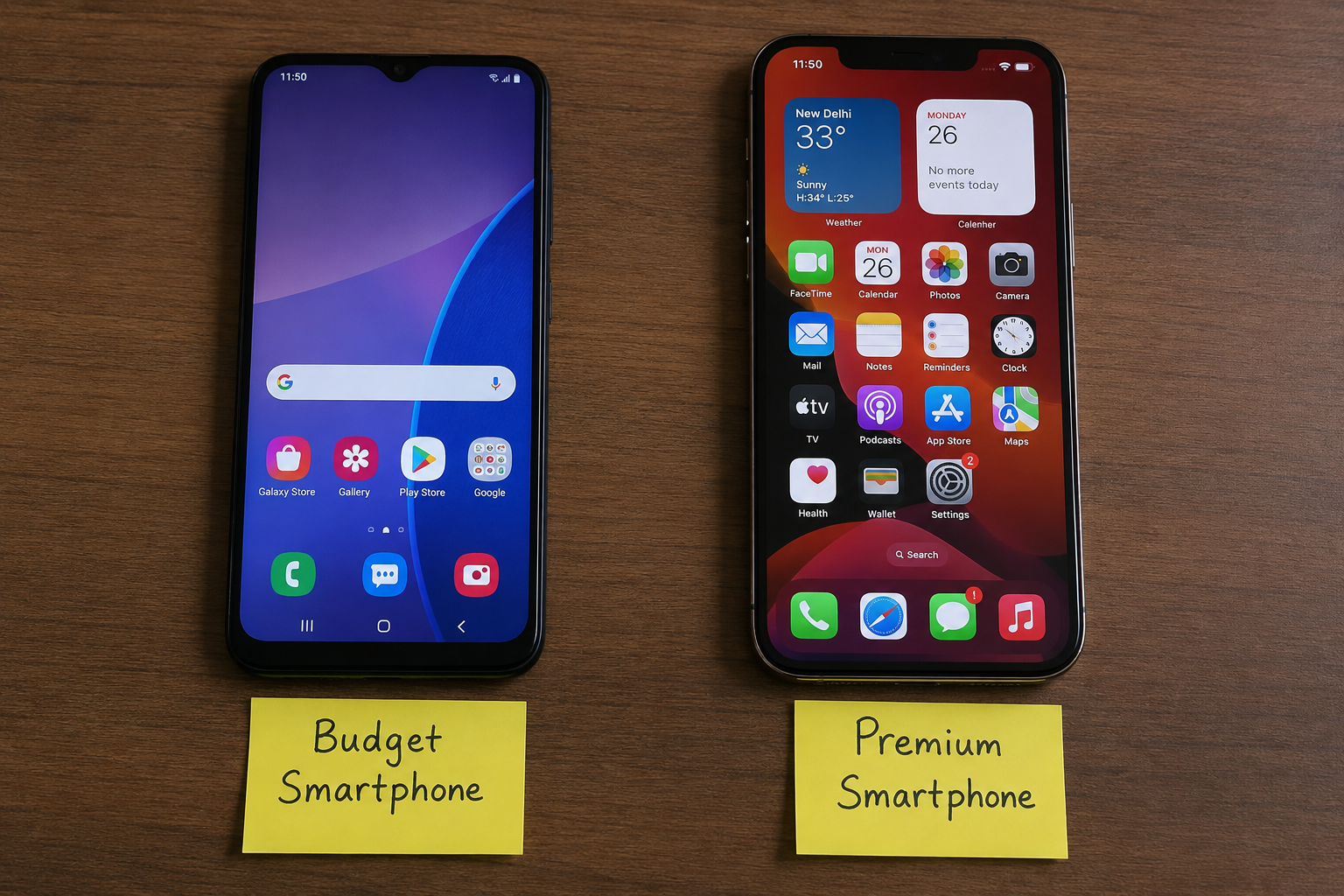
The first thing to consider before buying a smartphone is your budget. Smartphones are available in different price ranges, from affordable devices to premium flagship models. You should decide how much money you are comfortable spending before looking at different options.
A higher price does not always mean that a smartphone is the best choice for you. Some affordable and mid range smartphones offer excellent performance and useful features for everyday tasks.
Think about how you normally use your phone. If you mainly make calls, send messages, browse websites, and use social media, you may not need an expensive flagship smartphone. However, if you play demanding games, edit videos, take professional looking photos, or need powerful performance for work, spending more may make sense.
Check the Processor and Performance
Performance is another important factor when buying a smartphone. The processor affects how quickly apps open, how smoothly the phone works, and how well it handles multiple tasks.
If you frequently switch between applications, play games, stream videos, or use demanding applications, choose a smartphone with a capable processor. A good processor can also help the phone remain useful for a longer period.
You should not only look at the processor name. It is also useful to check real world performance, reviews, and how the phone performs during everyday use.
For basic smartphone users, a reliable mid range processor can be more than enough. Heavy users should look for stronger hardware that can handle demanding tasks without frequent slowdowns.
Consider RAM and Storage
RAM helps a smartphone manage multiple applications at the same time. More RAM can make multitasking smoother, especially when you regularly switch between several apps.
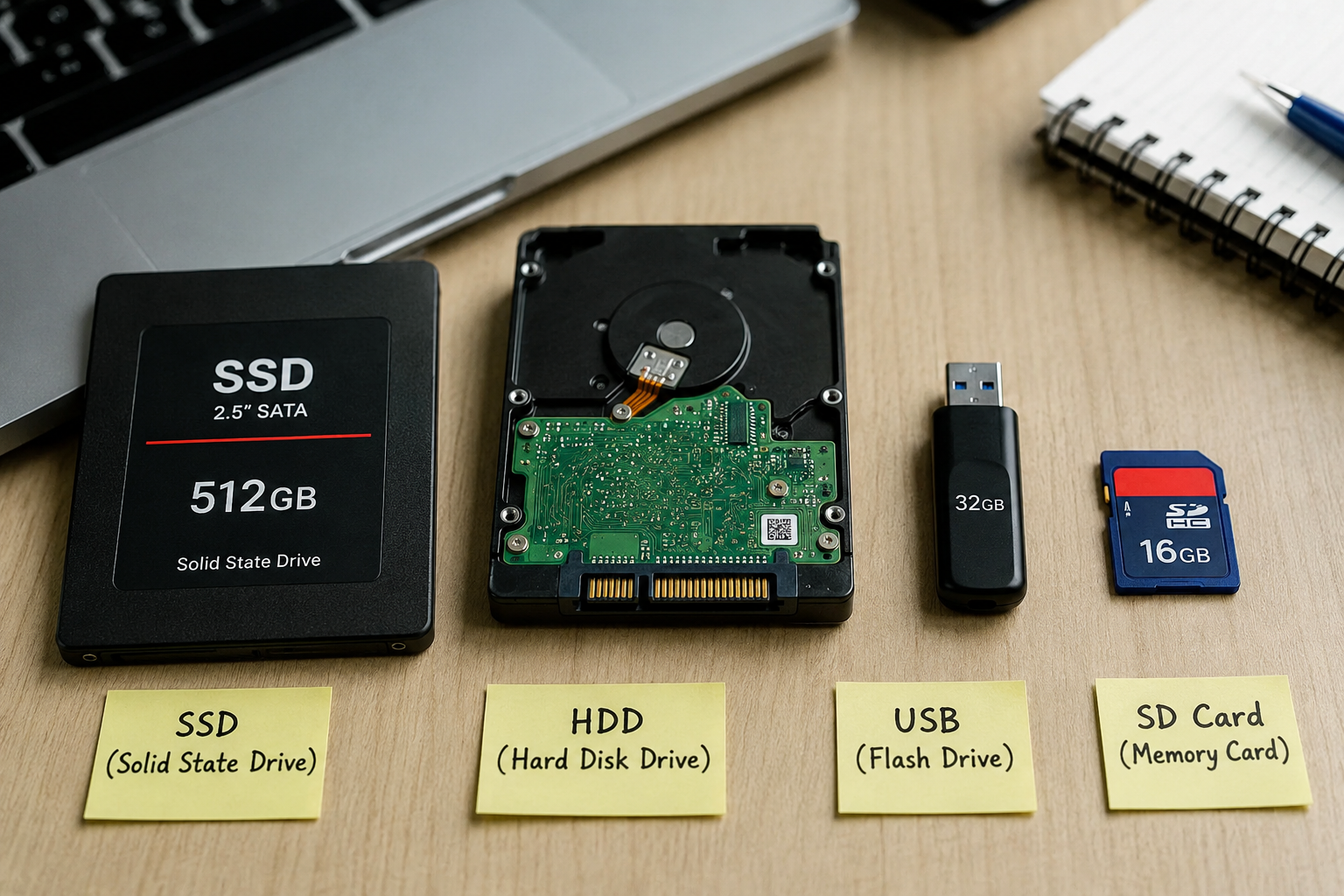
Storage is equally important because it is where your photos, videos, applications, documents, and other files are saved. If you take many photos and videos or download large applications, you should consider a phone with enough internal storage.
Before buying a smartphone, think about how much storage you currently use. Choosing more storage can be helpful if you plan to keep the phone for several years.
Look at Battery Life
Battery life is one of the most important smartphone features for everyday users. A powerful smartphone is not very useful if its battery runs out quickly.
When checking battery life, do not focus only on the battery capacity. Software optimization, processor efficiency, display technology, and your usage habits can also affect how long the battery lasts.
If you spend a lot of time watching videos, using social media, playing games, or browsing the internet, look for a smartphone with strong battery performance. Fast charging can also be useful because it allows you to recharge the phone in less time.
Check the Camera Quality
Many people consider camera quality before buying a smartphone. However, having a high megapixel number does not automatically mean that a phone has a better camera.
Camera quality depends on several factors, including the camera sensor, image processing, lens quality, stabilization, and software.
If photography is important to you, check sample photos and videos from the smartphone. Look at how the camera performs during daylight and in low light conditions.
You should also consider the front camera if you regularly make video calls or take selfies. A good camera system can make the smartphone more useful for both personal and professional needs.
Choose the Right Display
The display is something you will look at every time you use your smartphone. Screen size, resolution, brightness, refresh rate, and display technology can all affect your experience.
A larger display can be useful for watching movies, reading articles, playing games, and working with documents. A smaller phone may be easier to carry and use with one hand.
A higher refresh rate can make scrolling and animations look smoother. If you spend many hours using your smartphone, a good quality display can make everyday use more comfortable.
Think About Software and Updates
Software should not be ignored when choosing a smartphone. The operating system controls many important functions and affects how you interact with the device.
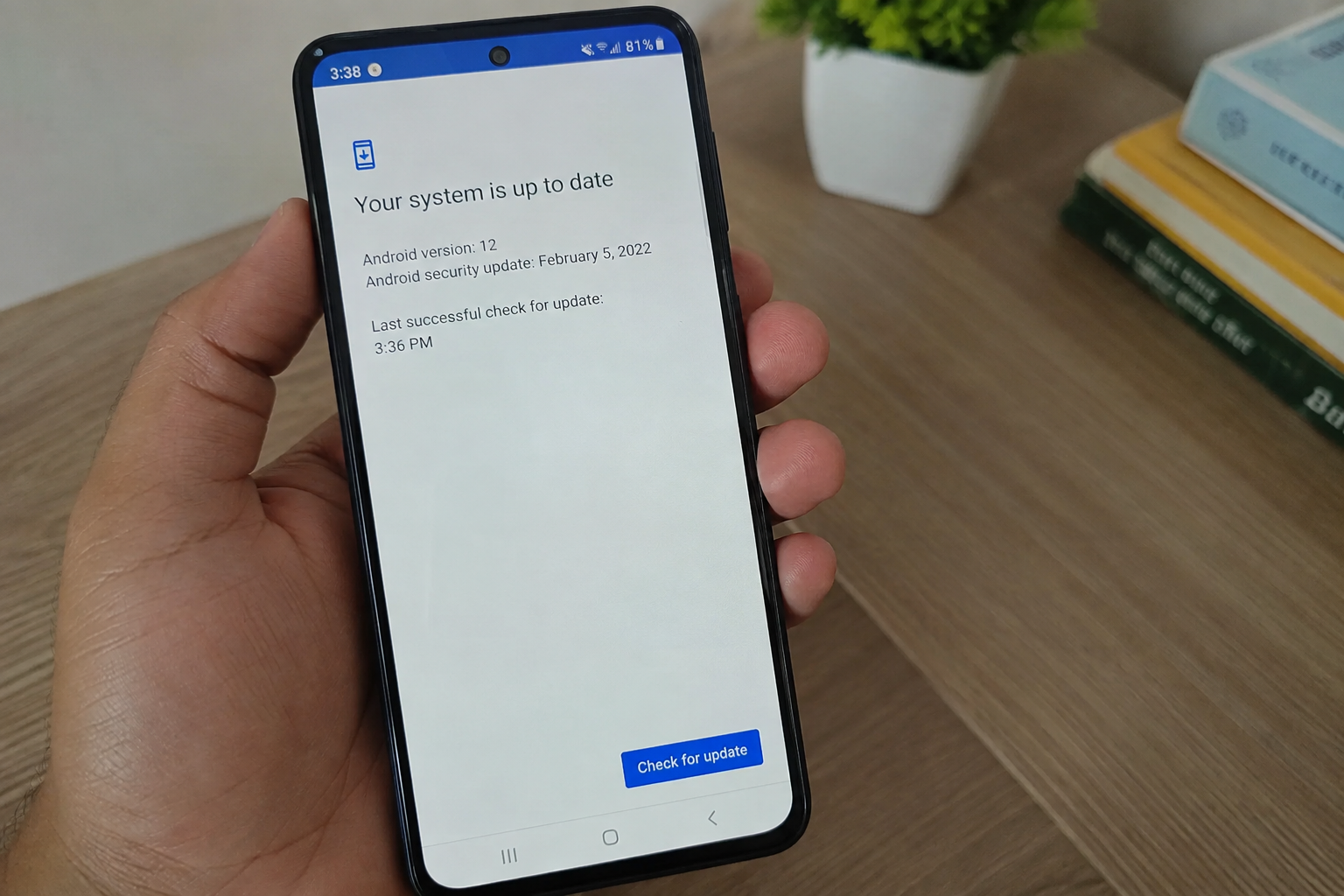
Before buying a smartphone, check how long the manufacturer promises to provide software updates and security updates. Regular updates can improve security, fix problems, and sometimes introduce new features.
A phone with good hardware but poor long term software support may not be a good investment. If you want to use your smartphone for several years, software support should be one of your main considerations.
Check Build Quality and Design
The design of a smartphone is important, but appearance should not be the only reason to buy it. Build quality can affect how well the phone handles everyday use.
Look at the materials used in the phone and check whether it has protection against dust or water if that feature is important to you. You should also consider the weight and size of the device.
A smartphone that feels comfortable in your hand is easier to use every day. If possible, hold the phone before buying it so you can see whether the size and weight feel right for you.
Consider Network and Connectivity Features
Before buying a smartphone, make sure it supports the network features you need. Check compatibility with your mobile network and confirm that the device supports the necessary connectivity options.
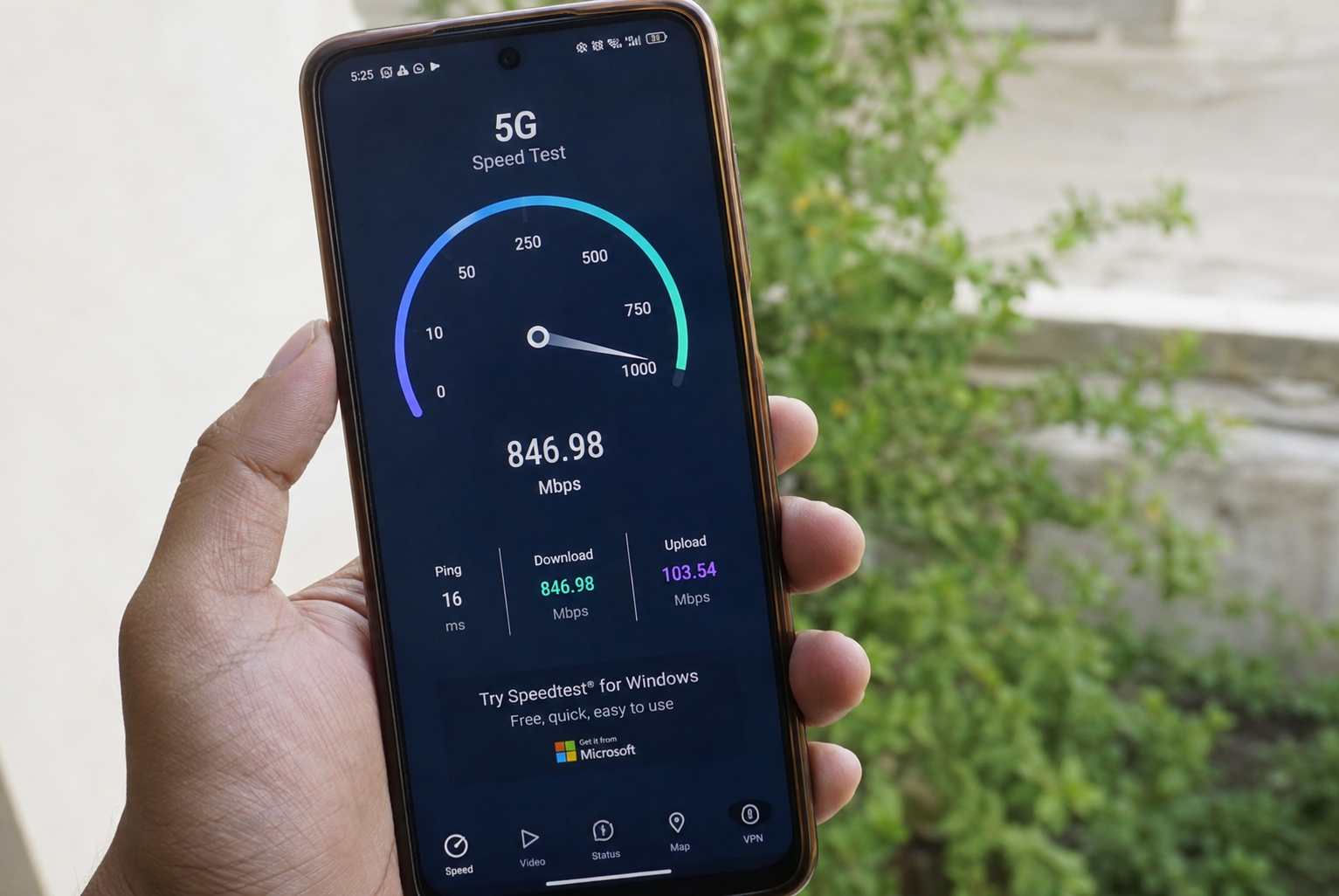
Features such as 5G, Wi Fi, Bluetooth, GPS, and NFC can be useful depending on how you use your phone.
You should also check whether the phone supports the SIM configuration you prefer. Some users may need dual SIM support for personal and business numbers.
Check Audio and Other Useful Features
Speakers, microphones, fingerprint sensors, face recognition, charging ports, and other small features can make a big difference in daily use.
If you frequently watch videos or listen to music without headphones, speaker quality may be important to you. A reliable fingerprint sensor can make unlocking the phone quick and convenient.
You should also check whether the smartphone includes the features you actually need instead of paying extra for features you will rarely use.
Read Reviews Before Buying
Reading smartphone reviews is one of the easiest ways to understand the real experience of using a device. Official specifications can tell you what features a phone has, but reviews can explain how those features work in everyday situations.
Look for reviews that discuss battery performance, camera quality, heating, software experience, performance, and long term usability.
It is also a good idea to compare several smartphones in the same price range. This can help you understand which phone offers better value for your money.
Do Not Buy Only Because of a Brand Name
Brand reputation can be useful, but it should not be the only factor in your decision. Different brands offer different strengths, prices, software experiences, and customer support.
Instead of choosing a phone only because you recognize the brand, compare its specifications, features, reviews, warranty, and price with other smartphones.
The best smartphone for you is the one that meets your needs and fits your budget.
Check Warranty and Customer Support
Warranty and customer support are often forgotten when people buy smartphones. A warranty can provide peace of mind if something goes wrong with the device.
Before purchasing, check the warranty period and understand what it covers. Also consider whether authorized service centers are available in your area.
Good customer support can save you time and money if you experience a hardware or software problem.
Think About Long Term Value
A smartphone should not only be good when you buy it. You should also think about how it will perform after one, two, or even three years.
Look for reliable hardware, sufficient storage, good battery performance, regular software updates, and durable construction. Spending a little more on a phone that lasts longer can sometimes be better than buying a cheaper phone and replacing it quickly.
Final Thoughts
Knowing what to consider before buying a smartphone can make the shopping process much easier. Start by setting a realistic budget and then focus on the features that matter most to you.
Check the processor, RAM, storage, battery life, camera, display, software support, build quality, connectivity, and warranty. Do not make your decision based only on advertisements or brand popularity. Compare different smartphones and read real user reviews before making your final choice.
The right smartphone is not necessarily the most expensive one. It is the device that provides the features and performance you need at a price you can comfortably afford. By taking some time to research before buying, you can choose a smartphone that offers good value and remains useful for years to come.