Related Articles
Choosing a smartphone is not only about looking at the camera, display, or storage. One of the most important parts of a smartphone is its processor. The processor has a major role in determining how quickly your phone opens apps, handles games, manages multitasking, and performs everyday tasks. If you want a phone that feels smooth and remains useful for several years, learning how to choose a smartphone processor can help you make a better buying decision.
Many people see processor names and numbers but do not know what they actually mean. A higher number does not always mean that one processor is better for every user. Different processors are designed for different needs and price ranges. In this guide, I will explain the important things I look at when choosing a smartphone processor so you can select the right option according to your needs.
What Is a Smartphone Processor?
A smartphone processor is the main component responsible for processing instructions and running different tasks on your phone. It is often called the CPU, but modern smartphone processors are usually part of a larger chip called a System on Chip, or SoC.
A smartphone processor works together with other components such as the graphics processor, memory controller, artificial intelligence features, image processing system, and connectivity hardware. This means the processor can affect many areas of the overall smartphone experience.
When you open an application, browse the internet, watch videos, take photos, or play games, the processor is involved in processing the instructions required for those activities.
Consider Your Smartphone Usage
Before comparing processor names and specifications, I think it is important to understand how you plan to use your phone.
If you mainly use your smartphone for calls, messaging, social media, YouTube, web browsing, and simple applications, you do not necessarily need the most powerful processor available. A good mid range processor can provide a smooth experience while helping you save money.
For people who play demanding games, edit videos, use many applications at the same time, or want excellent long term performance, a more powerful processor can be a better choice.
This is why the best smartphone processor depends on your personal requirements rather than simply choosing the most expensive option.
Check the Processor Generation
Processor generations are another important factor when choosing a smartphone. Newer processor generations often provide improvements in performance, power efficiency, graphics, artificial intelligence, and connectivity.
A newer chip can sometimes provide better performance while using less power than an older processor with similar specifications.
However, I would not recommend choosing a phone only because its processor is newer. It is better to compare the actual performance, efficiency, features, and price before making a decision.
A slightly older high quality processor can sometimes provide a better experience than a very basic newer processor.
Look at CPU Performance
The CPU handles many of the general tasks performed by your smartphone. When comparing processors, you may see information about CPU cores and clock speeds.
Modern smartphone processors usually contain multiple CPU cores. Some cores are designed for high performance, while others are designed to handle lighter tasks efficiently.
A higher clock speed can indicate that a processor can perform certain tasks faster, but clock speed alone does not tell you everything about real world performance.
Processor architecture, core design, manufacturing technology, software optimization, and thermal management can also affect how a phone performs.
For normal users, I recommend looking at overall processor performance instead of focusing on one specification.
Do Not Ignore the GPU
If you enjoy mobile gaming, the GPU is especially important. The graphics processing unit is responsible for handling many visual tasks, including game graphics, animations, and other demanding graphical workloads.
A powerful GPU can provide smoother gaming performance and better graphics quality. It can also help with certain video editing and graphical applications.
If gaming is one of your main reasons for buying a new smartphone, compare the graphics capabilities of the processors you are considering. A processor that is excellent for everyday tasks may not provide the same gaming experience as a chip designed for stronger graphics performance.
Consider Power Efficiency
Performance is important, but battery efficiency is equally important. A very powerful processor that consumes excessive power can result in shorter battery life and more heat.
Modern processors are designed to balance performance and energy consumption. Manufacturing technology can play an important role in this area.
An efficient processor can help your phone perform everyday tasks without unnecessarily using a large amount of battery power.
When I choose a smartphone, I prefer a processor that offers a good balance between performance and efficiency rather than focusing only on maximum speed.
Think About Gaming Performance
Mobile gaming has become much more demanding. Popular games can require strong CPU and GPU performance, especially when playing at high graphics settings.
If you are a casual gamer, a good mid range processor may be enough for many games. However, serious gamers should consider a higher performance chip with a capable GPU and good thermal management.
It is also useful to check whether the smartphone has enough RAM, a suitable display refresh rate, and effective cooling. The processor is important, but gaming performance depends on the complete hardware design.
Check AI Features
Artificial intelligence has become an increasingly important part of modern smartphones. AI can be used for photography, voice recognition, image editing, translation, security features, and other smartphone functions.
Many modern processors include dedicated hardware for AI workloads. These features can improve how quickly certain AI based tasks are processed while potentially reducing the workload on other parts of the chip.
If you are interested in AI powered smartphone features, it is worth checking whether the processor supports the capabilities you expect to use.
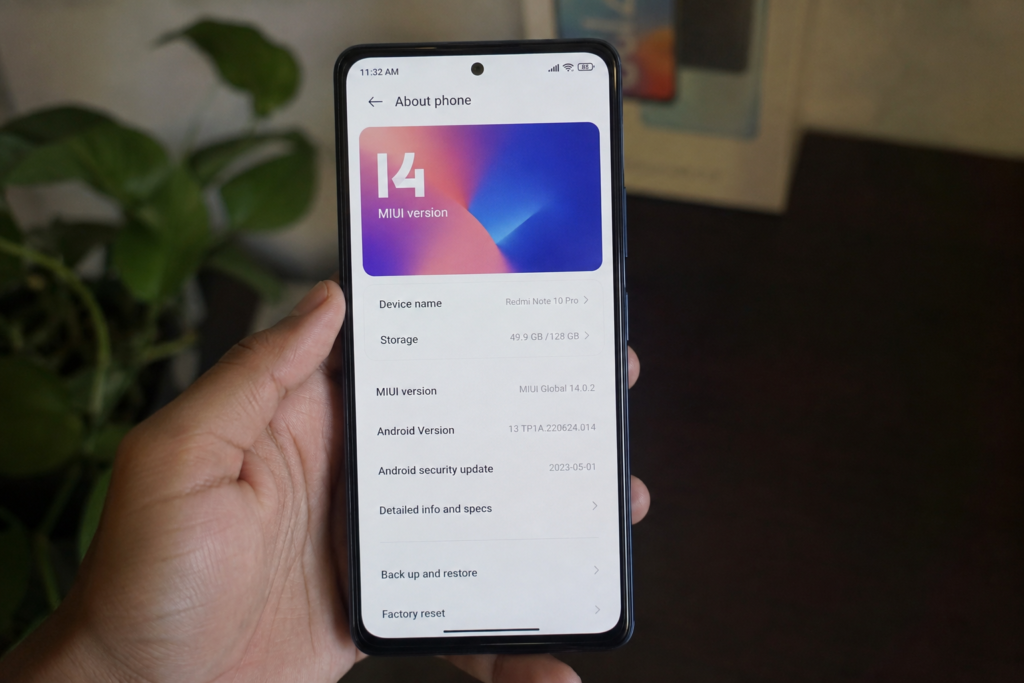
Consider Camera Processing
The smartphone processor also affects camera performance. Modern smartphone chips often include an image signal processor that helps process photographs and videos.
Camera processing can influence image quality, HDR performance, noise reduction, autofocus, video recording, and computational photography.
This means two smartphones with similar camera hardware can sometimes produce different results because their processors and image processing systems are different.
If photography is important to you, do not look only at the camera megapixel number. Consider the processor and image processing capabilities as well.
Check 5G and Connectivity Support
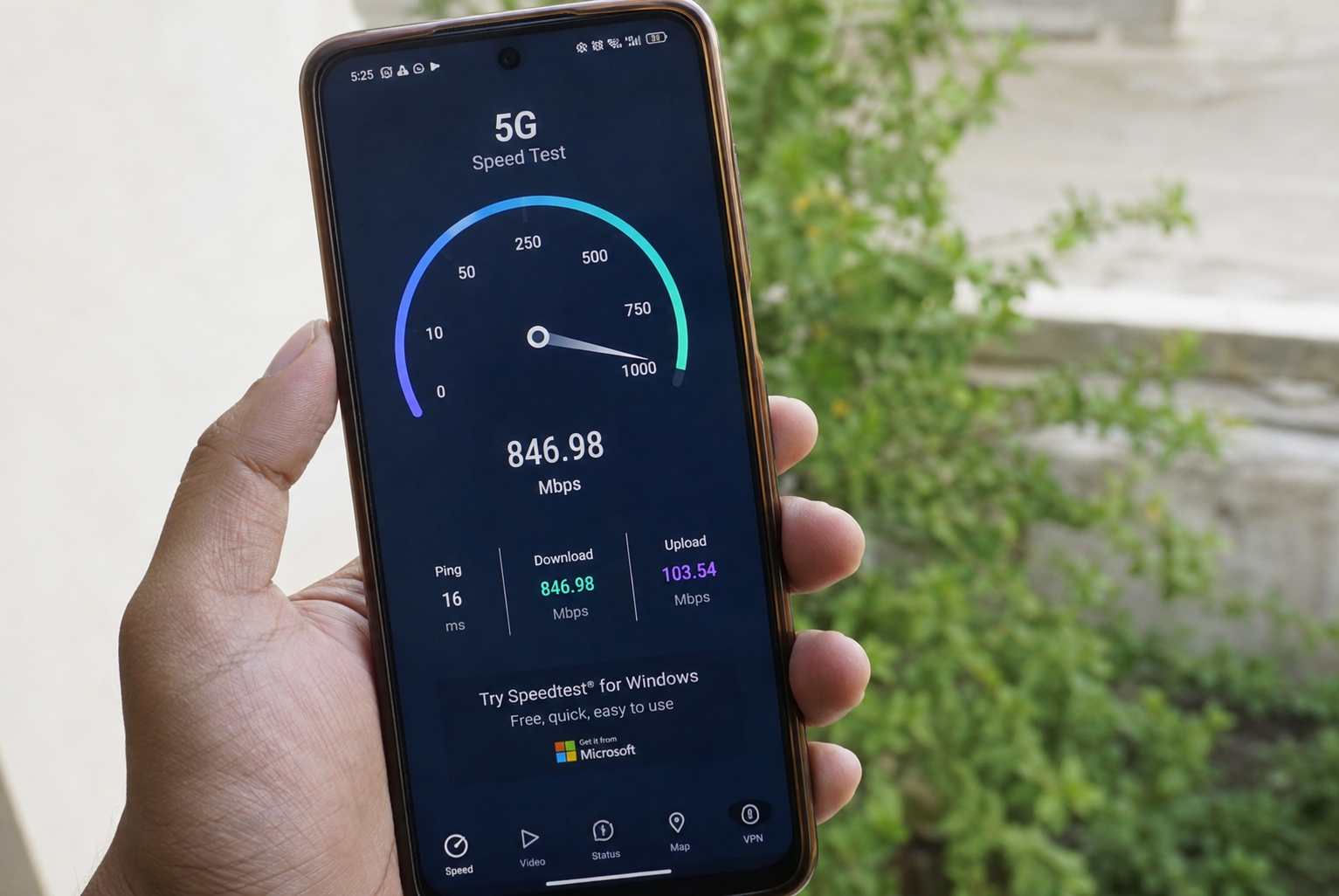
Connectivity is another area where the processor matters. Many modern smartphone processors include or work with cellular modems that support 5G and other wireless technologies.
If you want to use 5G, make sure the processor and phone support the network bands available in your area.
It is also useful to consider Wi Fi and Bluetooth support because newer connectivity standards can provide better speeds, reliability, and efficiency.
Look at Benchmark Results Carefully
Benchmark scores can be useful when comparing processors, but I do not think they should be the only deciding factor.
Benchmarks can show how processors perform under specific tests. They can help you understand the general performance level of different chips.
However, real world smartphone performance also depends on software optimization, RAM, storage speed, cooling, and the manufacturer’s software.
A phone with a slightly lower benchmark score can sometimes feel just as smooth or even better during everyday use.
Use benchmark results as one part of your research rather than treating them as the final answer.
Consider RAM and Storage Along With the Processor
A powerful processor works best when it is supported by suitable RAM and fast storage.
If a smartphone has a good processor but limited RAM, you may experience problems when switching between many applications. Similarly, slow storage can affect app loading and general responsiveness.
For this reason, I always recommend looking at the complete specification of a smartphone instead of judging it only by its processor.
The processor, RAM, storage, display, battery, and software should work together to provide a balanced experience.
Think About Long Term Use
If you plan to keep your smartphone for several years, processor choice becomes even more important.
A capable processor can help a phone remain responsive as applications become more demanding. It can also support newer software features and technologies for a longer period.
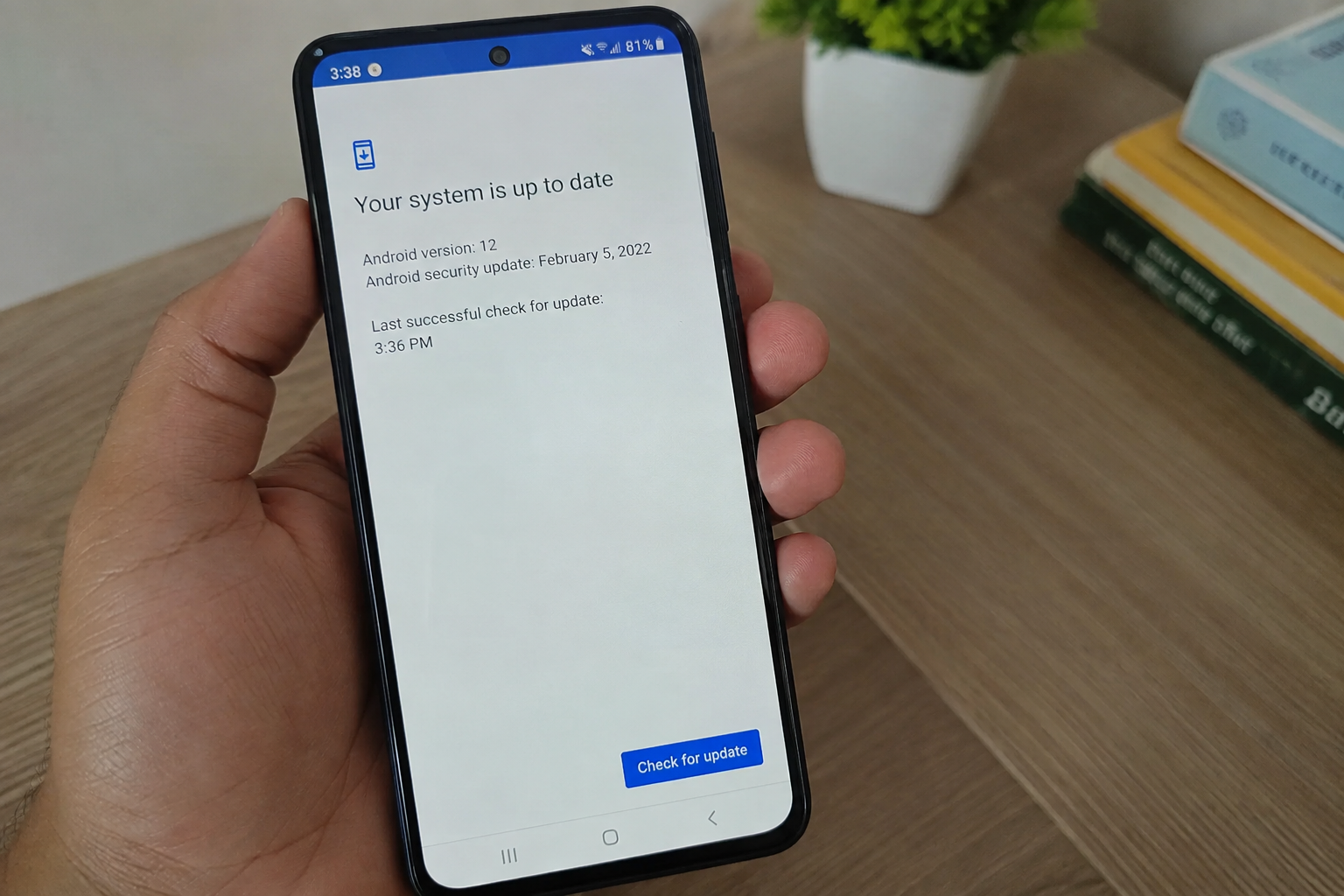
Software update support is also important. Even a powerful processor cannot compensate for poor software support.
When buying a smartphone for long term use, I recommend considering both processor capability and the manufacturer’s update policy.
Do Not Always Choose the Most Expensive Processor
One common mistake is assuming that the most expensive processor is automatically the best choice.
For many users, a flagship processor may provide more performance than they will ever need. If you mainly use social media, messaging, browsing, streaming, and basic applications, spending extra money on extreme performance may not provide much practical benefit.
A strong mid range processor can often offer an excellent balance of speed, battery life, features, and price.
The right choice should match your actual usage.
Final Thoughts
Learning how to choose a smartphone processor can make the smartphone buying process much easier. Instead of focusing only on processor names or numbers, look at your personal needs and compare overall performance.
Consider CPU performance, GPU capability, power efficiency, AI features, camera processing, connectivity, benchmark results, RAM, storage, and long term software support. If you play demanding games or perform heavy tasks, investing in a stronger processor can make sense. For everyday users, a reliable mid range processor may be more than enough.
The most important thing is to find the right balance between performance and price. A good smartphone processor should provide smooth everyday performance, efficient battery usage, and enough power for the tasks you expect to perform.
By understanding these factors, you can make a more confident decision and choose a smartphone that fits your needs instead of simply buying a phone because it has the biggest processor number.