Related Articles
Choosing the right battery for a smartphone is not as simple as looking for the biggest number of mAh. Battery capacity is important, but it is only one part of the overall battery experience. A phone with a large battery can still have poor battery life if its processor, display, software, or network usage is not well optimized.
When I look at a smartphone battery, I prefer to consider several things together. Battery capacity, charging speed, battery health, processor efficiency, display technology, and daily usage all have an impact on how long a phone can last. Understanding these factors can help you choose a smartphone that fits your needs instead of simply buying the phone with the biggest battery.
In this guide, I will explain how to choose the right battery and what you should check before buying a smartphone.
Understand Battery Capacity
The first thing to check when choosing a smartphone battery is its capacity. Battery capacity is usually measured in milliamp hours, commonly written as mAh.
A higher mAh number generally means the battery can store more energy. For example, a 5000 mAh battery usually has more capacity than a 4000 mAh battery. However, this does not always mean that the 5000 mAh phone will provide longer battery life.
Different smartphones use different amounts of power. A powerful processor, high refresh rate display, bright screen, and constant background activity can consume more battery. This is why battery capacity should always be considered together with the rest of the phone’s hardware.
For most modern smartphones, a battery around 5000 mAh can provide a good balance between capacity and everyday performance. Some phones offer even larger batteries, but a bigger battery can also add weight and thickness.
Consider Your Daily Usage
Before deciding how much battery capacity you need, think about how you normally use your phone.
If you mainly use your smartphone for calls, messages, browsing, social media, and occasional videos, you may not need an extremely large battery. A well optimized phone with a moderate battery can easily last through a normal day.
If you regularly play demanding games, watch videos for several hours, use GPS navigation, record videos, or spend a lot of time on mobile data, you should look for a larger battery.
Heavy users can benefit from a smartphone with a battery of 5000 mAh or more. The important thing is to match the battery with your personal usage rather than choosing a number simply because it looks impressive on a specification sheet.
Check Charging Speed
Battery capacity tells you how much energy a battery can store, while charging speed tells you how quickly you can refill it.
Fast charging has become an important feature for people who use their phones throughout the day. A phone with fast charging can give you a useful amount of battery power in a short period.
For example, if you forget to charge your phone before leaving home, fast charging can make a big difference. You can connect the phone for a short time and still get enough power for several hours of normal use.
However, charging speed should not be the only factor you consider. Very high charging speeds can create additional heat, so the phone needs good thermal management and charging protection.
When learning how to choose the right battery, I would look for a phone that offers a good combination of battery capacity, charging speed, and safe charging technology.
Look at Battery Efficiency
Battery efficiency is one of the most important factors that many buyers overlook.
Two phones with the same battery capacity can provide very different battery life. The reason is that their processors, displays, software, and other components may use different amounts of power.
Modern processors are designed to improve performance while using less energy. An efficient processor can help a phone last longer even when the battery capacity is not extremely large.
Software optimization also matters. A well optimized operating system can control background applications and reduce unnecessary power consumption.
This means you should not judge a smartphone battery only by its mAh rating. Always consider how efficiently the phone uses that stored energy.
Pay Attention to the Display
The display is another major factor that affects battery life.
A large screen can consume more power than a smaller screen, especially when the brightness is high. High refresh rate displays can also use additional power, although modern phones often include adaptive refresh rate technology to reduce consumption when a high refresh rate is not needed.
Display technology also makes a difference. Some newer display panels are designed to be more power efficient and can adjust their refresh rate depending on what you are doing.
If you spend many hours watching videos, browsing websites, or using social media, choosing an efficient display can help you get better battery life.
Think About Your Network Usage
Mobile network usage can have a noticeable effect on battery life.
Using mobile data, especially in areas with weak network signals, can cause the phone to work harder to maintain a connection. This can result in faster battery drain.
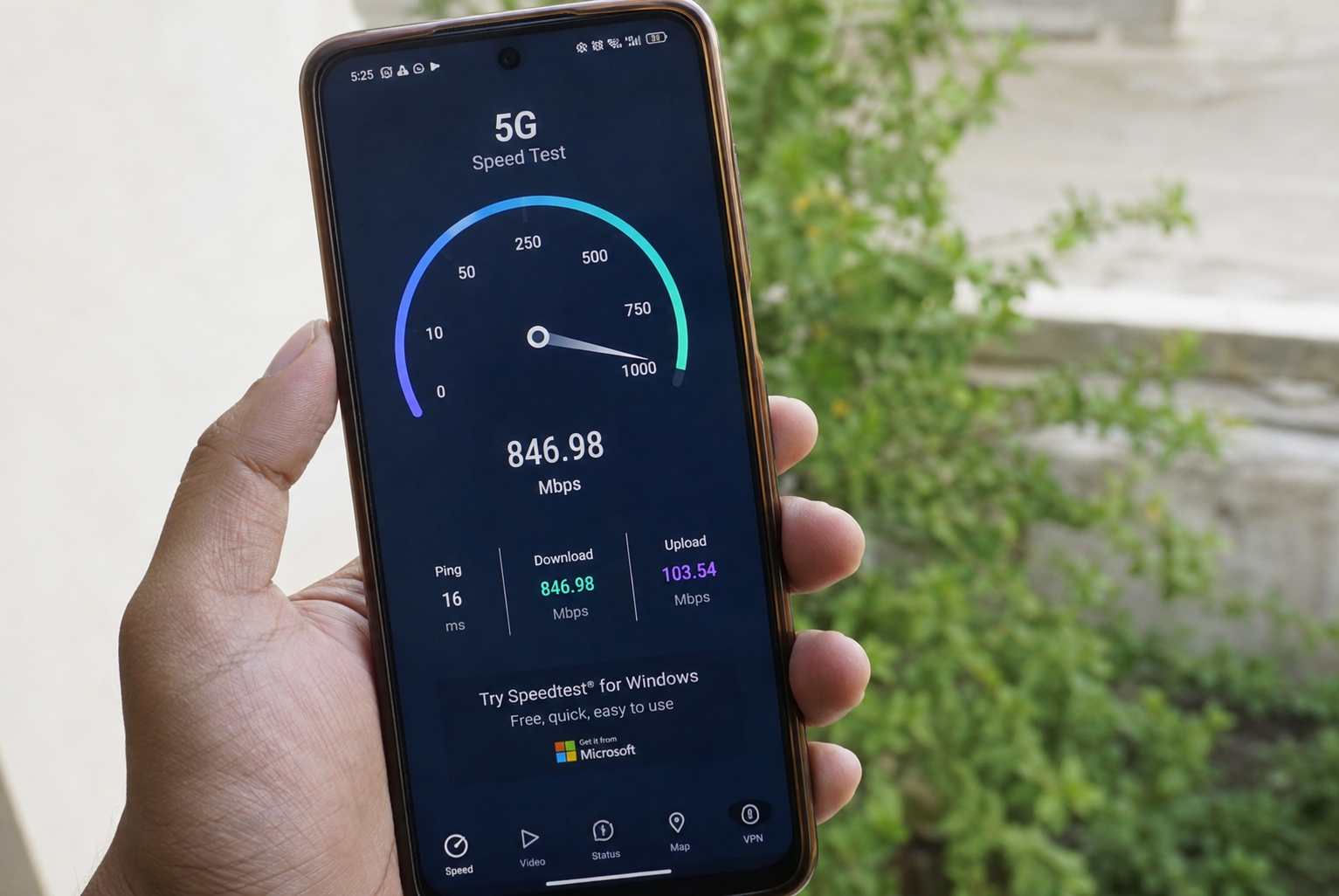
5G can also consume more power in certain situations, although newer network hardware has become more efficient.
If you frequently travel or live in an area where the signal is weak, battery efficiency becomes even more important. A phone with good network management can help reduce unnecessary battery consumption.
Battery Health and Longevity
A battery does not remain at its original condition forever. Rechargeable smartphone batteries naturally lose some capacity as they go through charging cycles.
This means a phone that provides excellent battery life when new may provide less battery life after several years of use.
When choosing a smartphone, it is worth checking whether the manufacturer provides battery health features. Some phones include charging optimization options that can reduce the time the battery spends at a very high charge level.
Taking care of your battery can also help maintain its performance for longer. Avoiding excessive heat and using reliable charging accessories are simple habits that can make a difference.
Do Not Ignore Battery Size and Phone Weight
A larger battery usually requires more physical space. This can make a smartphone heavier or thicker.
Some people prefer a lightweight phone because it is easier to carry and use with one hand. Others are happy to accept a heavier device if it provides excellent battery life.
This is why choosing the right battery also involves finding the right balance.
If you are someone who travels frequently and cannot always find a charging point, a slightly heavier phone with a large battery may be worth it. If you spend most of your day near a charger, you may prefer a lighter phone with a smaller battery.
Check Real World Battery Tests
Specifications are useful, but real world testing can give you a better idea of what to expect.
When researching a phone, look for battery tests that include activities similar to your own usage. Screen on time, video playback, gaming tests, web browsing, and standby performance can all provide useful information.
User reviews can also help you understand how the battery performs after regular daily use.
I recommend comparing several phones instead of relying on one specification. A phone with slightly smaller battery capacity may actually perform better because its processor and software are more efficient.
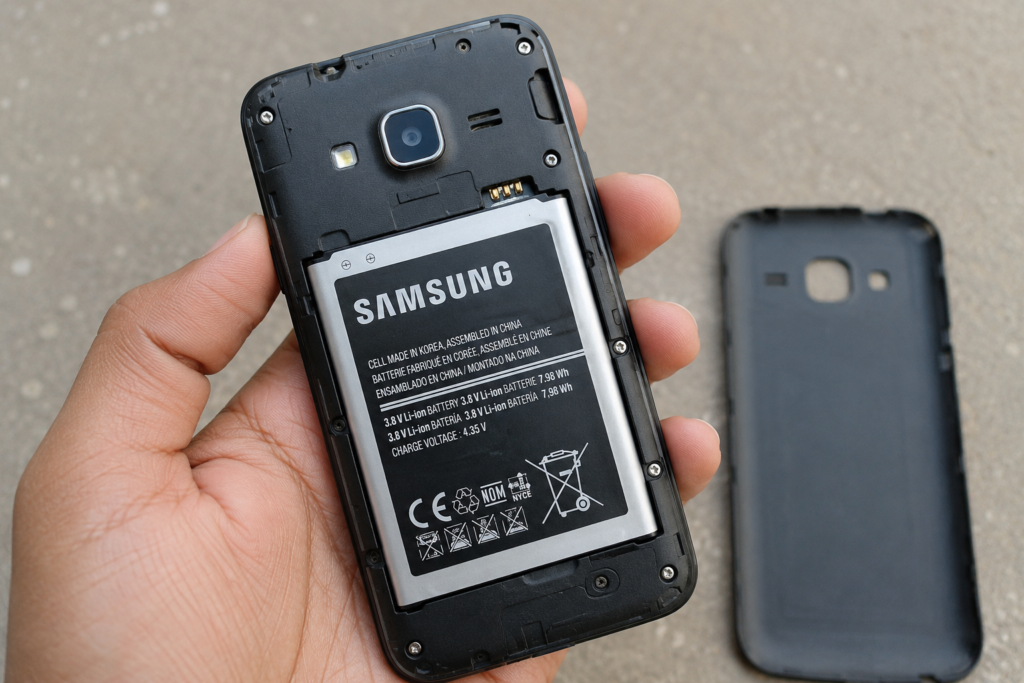
Choose the Right Battery for Your Needs
There is no single battery size that is perfect for everyone.
For light users, a well optimized smartphone with a moderate battery may be enough. For average users, a 5000 mAh battery can provide a comfortable balance for everyday activities. Heavy users should consider larger capacity, efficient hardware, and fast charging.
If gaming is important to you, pay attention to battery capacity, processor efficiency, display refresh rate, and heat management. If you travel frequently, battery capacity and charging speed may be more important.
The best choice depends on how you use your phone every day.
Final Thoughts
Learning how to choose the right battery can help you avoid making a decision based only on specifications. Battery capacity is important, but it does not tell the complete story.
When buying a smartphone, look at the battery capacity, charging speed, processor efficiency, display technology, network performance, software optimization, and battery health features. Also think about your own daily habits and how often you have access to a charger.
A large battery is useful, but an efficient smartphone can often provide excellent battery life without needing an extremely large battery. The goal should be to find a phone that gives you reliable battery life while still offering the performance, design, and features you actually need.
In my opinion, the right battery is not necessarily the biggest one. It is the battery that works well with the phone’s hardware and matches your everyday lifestyle. By considering all these factors before buying, you can choose a smartphone that stays powered throughout your day and provides a better experience over the long term.