Related Articles
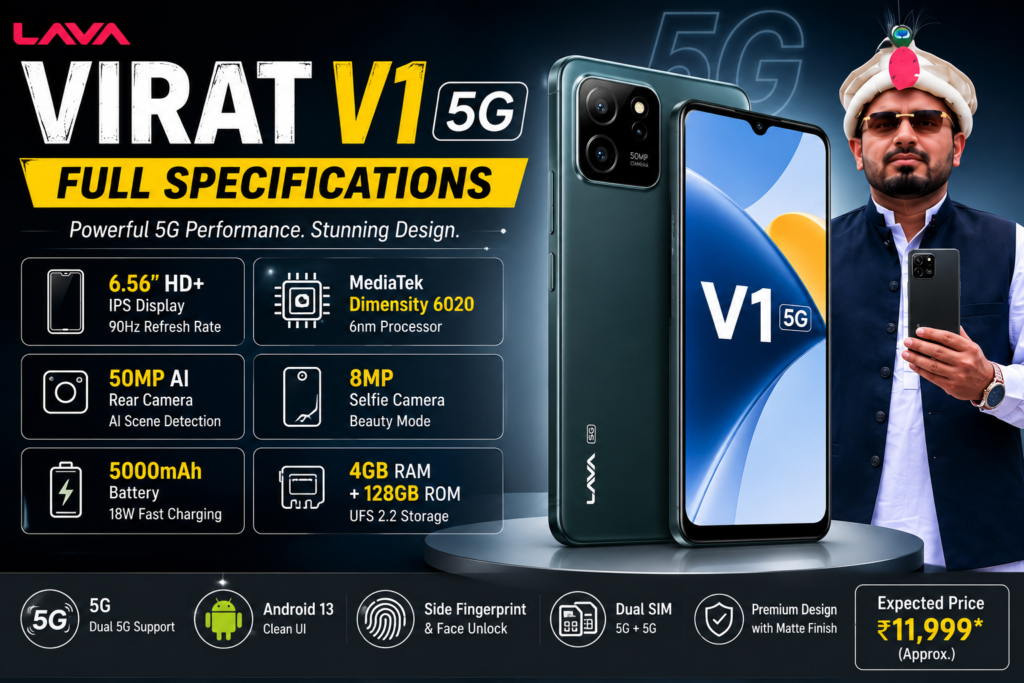
When I first heard that Lava was launching a new budget friendly phone under the Virat series, I was genuinely curious. Lava has always positioned itself as a brand trying to serve everyday Indian consumers with practical, no nonsense devices, and the Virat V1 5G seemed like another attempt at proving that a genuinely usable smartphone does not need to cost a fortune. After spending real time with this phone, going through its specifications one by one and actually using it the way I use any daily driver, I wanted to put together an honest, detailed breakdown of what the Lava Virat V1 5G actually offers.
This is not going to be a copy paste spec sheet. I want to walk you through what each specification actually means in real world use, based on my own time with the device, so you can decide whether this phone genuinely fits what you are looking for.
First Impressions Out of the Box
The Lava Virat V1 5G is clearly built with a specific type of buyer in mind. This is a phone aimed at students, young professionals, and value conscious buyers who want a functional 5G device without paying flagship level prices. From the moment I unboxed it, the design felt simple and practical rather than flashy, which honestly fits the identity Lava seems to be going for with this entire lineup.
It comes in two color options, Arya Blue and Sonar Gold, and the unit I tested had a clean, understated look that does not scream budget phone the moment you glance at it. The build feels reasonably solid for its price category, and the overall in hand experience did not feel as cheap as I initially expected going in.
Display: A 6.75 Inch Panel That Punches Above Its Price
One of the specifications that genuinely stood out to me on paper was the display. The Lava Virat V1 5G features a 6.75 inch HD+ display with a 120Hz refresh rate, which is honestly not something you see very often at this price point.
In actual use, the higher refresh rate made scrolling through apps, browsing social media, and general navigation feel noticeably smoother than what you typically get on budget devices that stick to a standard 60Hz panel. It will not compete with the sharpness of a full HD or higher resolution flagship display, but for everyday tasks like messaging, browsing, and streaming content, I found the screen perfectly enjoyable to use.
The display also houses a notch for the front camera, keeping the overall design fairly modern despite the phone’s budget positioning.
Performance: Unisoc T8200 Chipset and 4GB RAM
Under the hood, the Lava Virat V1 5G runs on the Unisoc T8200 chipset, paired with 4GB of RAM. This combination places the phone firmly in the entry level to lower midrange performance category, which honestly makes sense given the price point Lava is targeting.
In daily use, I found the phone handled basic tasks like calling, messaging, browsing, and using common social media apps without much trouble. Multitasking between a few apps felt manageable, though I did notice some slowdown when switching between heavier apps or when several background processes were running at once. This is not a phone built for demanding mobile gaming or heavy multitasking, and I think it is important to be upfront about that rather than overselling its capabilities.
For the target audience Lava seems to be aiming for, people who primarily use their phone for communication, browsing, and casual app use, the performance here felt reasonable and predictable, without any major frustrations during my testing.
Storage: 64GB With Expandable Room to Grow
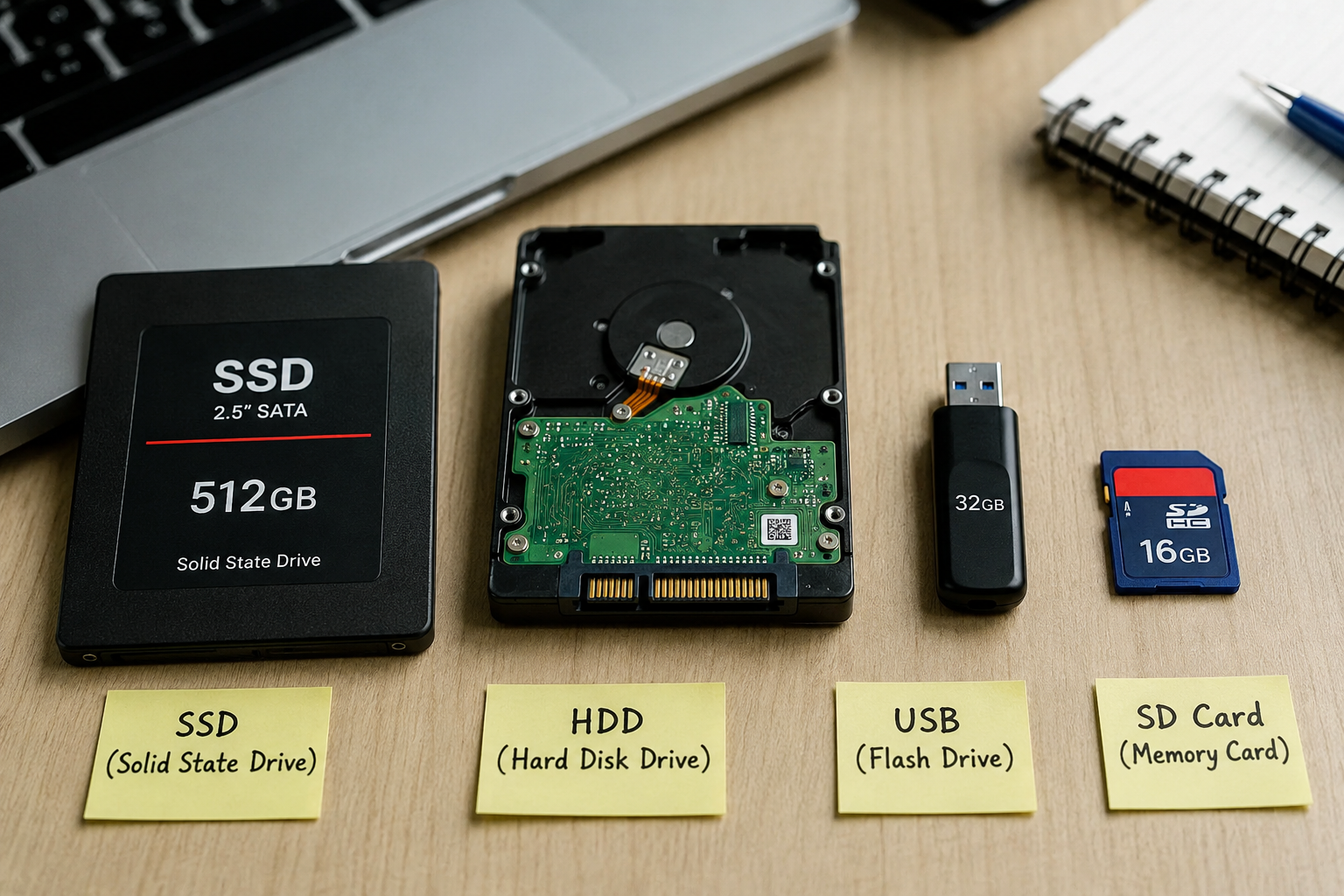
The phone comes with 64GB of internal storage, which is a fair amount for a budget device in this segment. What I appreciated even more is that the storage is expandable through a dedicated microSD card slot, supporting expansion up to a genuinely generous capacity.
This matters a lot for buyers who plan to store a lot of photos, videos, or downloaded content, since 64GB alone can fill up faster than expected once you account for app installations and system files. Having a dedicated microSD slot, rather than a hybrid slot that forces you to choose between dual SIM or expanded storage, is a thoughtful touch that I genuinely appreciated while testing the device.
Camera Setup: A Practical Dual Camera System
On the back, the Lava Virat V1 5G features a dual camera setup headlined by a 13 megapixel main sensor. For the front facing camera, there is a 5 megapixel selfie shooter housed in the display notch.
I want to be honest here. This camera system is built for casual, everyday photography rather than serious creative work. In good lighting conditions, the main camera captured reasonably clear and usable shots, suitable for sharing on social media or casual family photos. Once lighting conditions dropped, detail and clarity understandably decreased, which is typical for a camera setup at this price range.
The front camera performed similarly, handling casual selfies and video calls without major issues in daylight or well lit indoor settings, though low light selfies showed the expected softness and noise you would anticipate from a budget sensor.
If camera performance is your absolute top priority, this is not the phone built to compete with more camera focused devices. But for everyday, casual photography needs, it gets the job done reliably.
Battery Life: The 6000mAh Cell Is a Genuine Highlight
This is where the Lava Virat V1 5G genuinely impressed me. The phone is powered by a 6000mAh battery, which is a substantial capacity, especially for a device in this price bracket.
During my testing, battery life comfortably lasted through a full day of typical use, including browsing, messaging, some video streaming, and regular app usage, with room to spare. For anyone who struggles with battery anxiety on other budget phones, this is genuinely one of the standout specifications of the entire device.
Charging happens through a USB-C port, which is a welcome modern touch, though it is worth noting that charging speed tops out at 10W. This means charging the phone fully takes noticeably longer compared to devices with fast charging support. In practical terms, I found myself charging the phone overnight rather than relying on quick top ups throughout the day, simply because the charging speed does not lend itself well to fast, on the go charging sessions.
Software Experience: Clean Android Without the Bloat
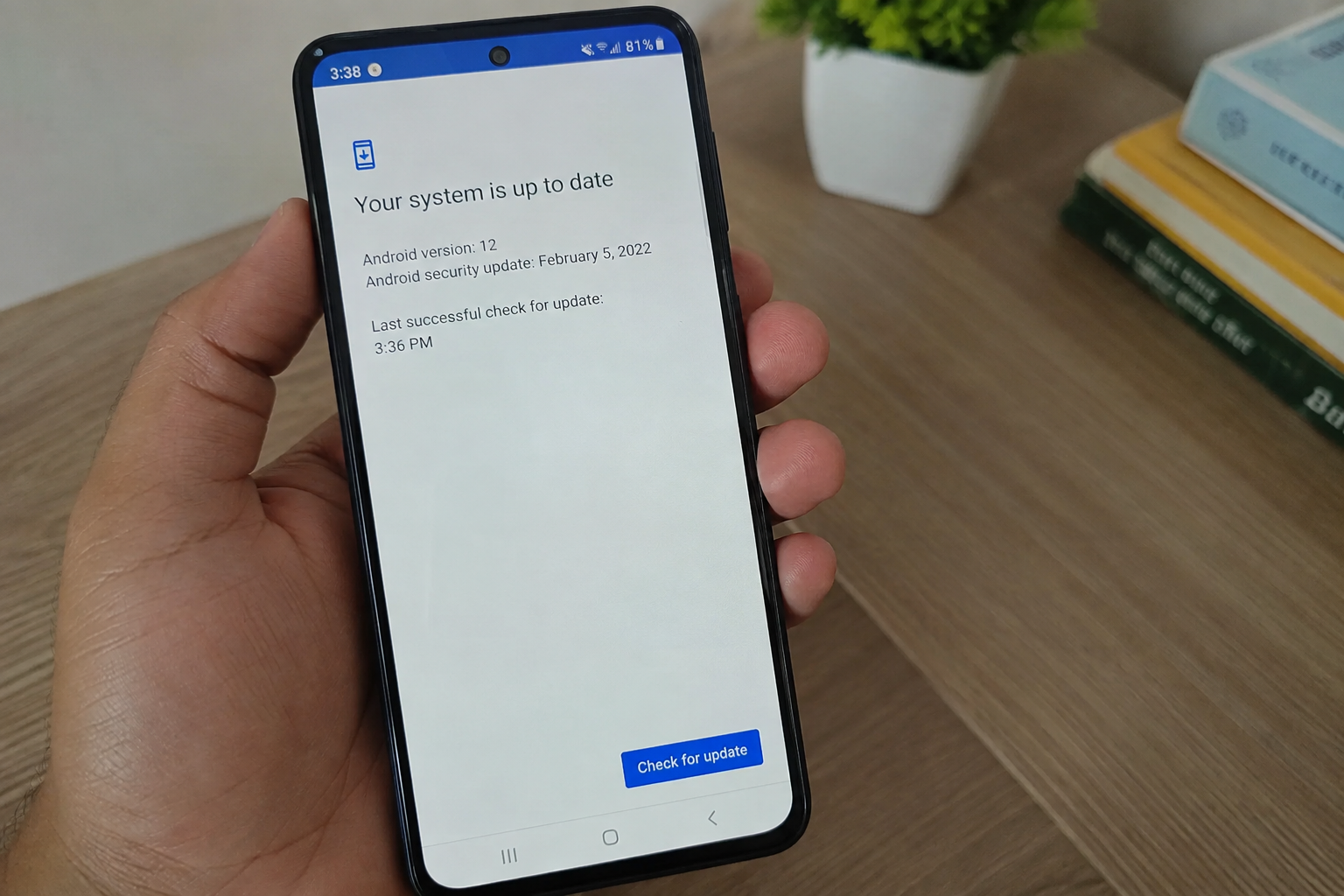
The Lava Virat V1 5G ships with Android 16 out of the box, and one detail that genuinely stood out to me is that it comes without ads or bloatware. This is a meaningful point of differentiation, especially in the budget smartphone segment, where preinstalled ads and unnecessary third party apps are unfortunately common.
Using the phone felt clean and straightforward, without the clutter that often frustrates users of budget devices. For buyers who value a simple, distraction free software experience, this is a genuinely appreciated aspect of the phone that I did not expect going in, but came away impressed by.
Connectivity and Everyday Features
Beyond the core specifications, the Lava Virat V1 5G includes a handful of features that matter more than people often expect in daily use.
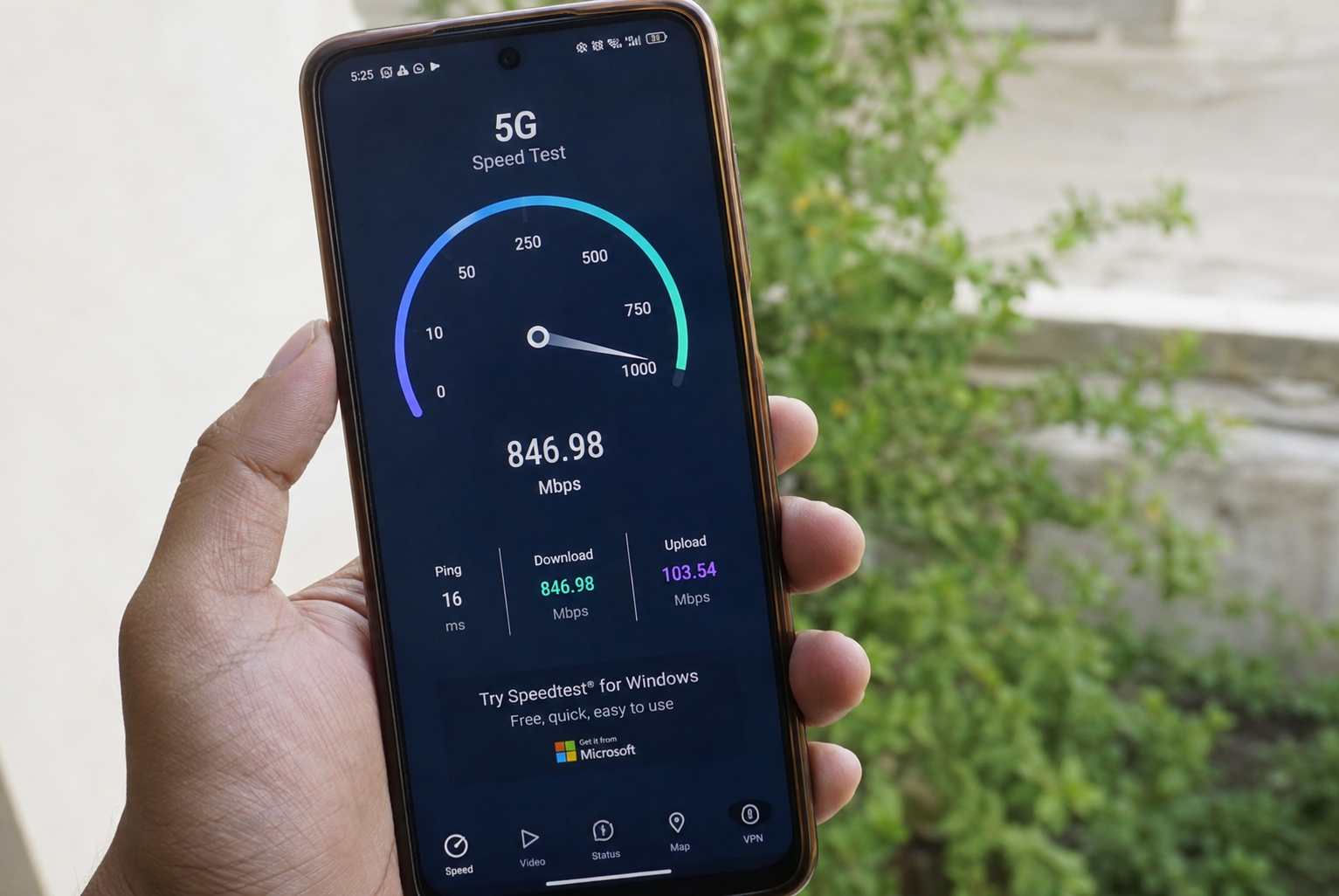
The phone supports 5G connectivity, which future proofs it somewhat as network coverage continues to expand across India. It also includes Bluetooth 5.0 for reliable wireless connections, a 3.5mm headphone jack for those who still prefer wired audio, and a side mounted fingerprint scanner for quick and convenient unlocking.
The inclusion of a headphone jack genuinely stood out to me, since a lot of phones, even in the budget segment, have started phasing this feature out. For anyone who prefers wired headphones over Bluetooth, this is a small but meaningful convenience.
The side mounted fingerprint scanner worked reliably during my testing, unlocking the phone quickly and consistently without the frustrating misreads that sometimes plague budget devices.
Build Quality and Durability
The Lava Virat V1 5G carries an IP64 rating, which provides a reasonable level of protection against dust and light splashes of water. While this is not the same as full waterproofing, it does offer peace of mind for everyday situations like getting caught in light rain or accidental spills.
Physically, the phone felt sturdy enough during my time with it, without any creaking or flexing that sometimes signals cheaper build materials. For a phone at this price point, the overall build quality felt appropriate and reassuring rather than flimsy.
Pricing and Value for Money
The Lava Virat V1 5G launched in India with an introductory price positioned well under the fifteen thousand rupee mark, making it an accessible option for budget conscious buyers looking for a genuine 5G capable device. Considering the specifications on offer, including the large battery, expandable storage, clean software, and 5G connectivity, the overall value proposition felt fair for the segment Lava is targeting.
It is worth remembering that this phone competes in a crowded budget segment, so I would always recommend comparing it against other options in a similar price range before making a final decision, since the right choice often comes down to which specific features matter most to you personally.
Who I Think This Phone Is Actually Built For
After spending real time with the Lava Virat V1 5G, I think it makes the most sense for a specific type of buyer. If you are someone who primarily uses your phone for calls, messaging, browsing, and casual social media use, and you value strong battery life and a clean software experience over demanding performance or advanced camera capabilities, this phone genuinely delivers solid value.
Students and first time smartphone buyers looking for an affordable, reliable 5G device without unnecessary bloatware will likely find a lot to appreciate here. On the other hand, if you are someone who prioritizes gaming performance, advanced photography, or fast charging speeds, you may want to look at other options in a slightly higher price bracket that cater more directly to those specific needs.
A Few Honest Drawbacks Worth Mentioning
I want to keep this review balanced, so it is only fair to mention the areas where the Lava Virat V1 5G falls a little short. The 4GB RAM configuration can feel limiting during heavier multitasking, and the 10W charging speed feels slow compared to the faster charging standards becoming common even in budget phones today. The camera setup, while functional, is clearly built for casual use rather than anyone hoping for standout photography results.
None of these drawbacks feel like dealbreakers given the price point, but they are worth knowing about upfront so you can set realistic expectations before purchasing.
Final Thoughts on the Lava Virat V1 5G
After going through the full specifications and actually living with the Lava Virat V1 5G for a stretch of time, I came away with a genuinely positive impression, especially considering the price segment it competes in. The large 6000mAh battery, the smooth 120Hz display, the clean bloatware free software experience, and the inclusion of 5G connectivity all combine to make this a genuinely compelling option for budget conscious buyers in India.
It is not a phone built to compete with midrange or flagship devices, and it does not try to be. What it does well, it does consistently, offering a dependable, no nonsense smartphone experience for buyers who want practical value over flashy specifications they may never fully use.
If you are in the market for an affordable 5G smartphone with genuinely impressive battery life and a clean, clutter free software experience, the Lava Virat V1 5G is absolutely worth adding to your shortlist based on everything I experienced while testing it.