
Related Articles


Meta smart glasses have quickly become one of the most talked about wearable technology products in the world. They look like ordinary glasses, but they can record video, capture audio, respond to voice commands and offer artificial intelligence features. While many people see them as the next step in wearable technology, concerns about privacy and surveillance are also growing.
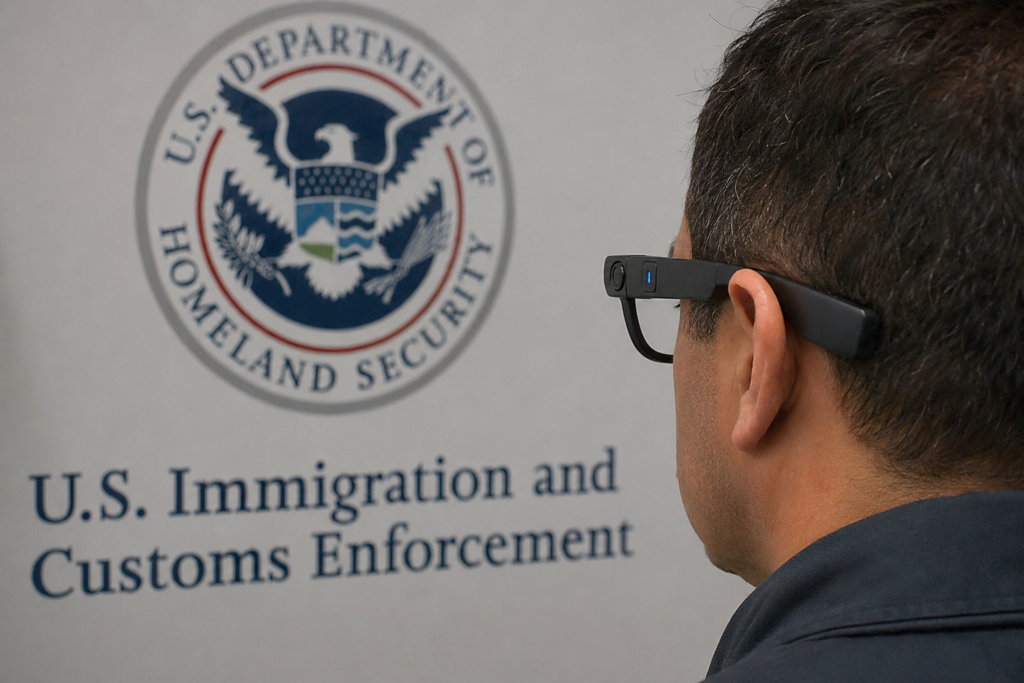
One of the latest examples comes from U.S. Immigration and Customs Enforcement, commonly known as ICE. The agency has prohibited its employees from wearing Meta smart glasses while working in federal workspaces. The decision has attracted attention because ICE itself has been exploring the development of smart glasses for use in immigration enforcement.
The policy highlights an important question for the future of smart glasses. If these devices become as common as smartphones, how will workplaces control cameras that employees can wear on their faces?
Why ICE Banned Meta Smart Glasses
According to a memo issued by ICE Acting Director David Venturella, the agency considers Meta smart glasses to be similar to body worn cameras. The concern is that the glasses can capture video and audio without people around the wearer necessarily realizing what is happening.
ICE said the devices could unintentionally capture, record or transmit sensitive information. Such information could create privacy concerns and potentially affect legal protections. The ban applies to all ICE employees and covers federal workspaces, rather than being limited only to officers working in the field.
The Department of Homeland Security described the decision as a clarification of an existing rule. A spokesperson said personally owned body worn cameras and unauthorized recording have already been prohibited.
In simple terms, ICE is treating Meta smart glasses differently from ordinary eyewear because they contain cameras and microphones.
That distinction is becoming increasingly important as smart glasses become more advanced.
What Makes Meta Smart Glasses Different?
Meta has developed smart glasses in partnership with established eyewear brands including Ray Ban and Oakley. Unlike traditional glasses, these devices contain technology that allows users to interact with digital services while keeping their hands free.
The glasses can capture photographs and videos through a small camera built into the frame. They also contain microphones that allow users to interact with artificial intelligence features through voice commands.
Another important feature is the recording indicator. Meta smart glasses use a blinking light when the camera is recording, which is intended to provide a visible signal to people nearby.
However, the presence of a recording indicator does not completely eliminate privacy concerns.
A person standing near someone wearing smart glasses may not always know whether a camera is active. In a busy workplace, this uncertainty can become even more complicated.
Employees may interact with confidential documents, computer screens, private conversations, visitors and sensitive information during a normal working day. A camera worn on the face can potentially capture all of these things.
This is why the ICE decision is bigger than one government workplace. It raises broader questions about how employers should manage wearable technology.
ICE Employees Had Already Been Seen Wearing the Glasses
The ICE decision also comes after reports that immigration and border personnel had been seen wearing Meta smart glasses during protests and immigration enforcement operations.
Those sightings attracted criticism because ICE employees can encounter highly sensitive situations while performing their duties. The use of a consumer device capable of recording video and audio can create questions about who controls the recordings and how they are stored.
The agency therefore appears to be drawing a clear line between consumer technology and officially authorized equipment.
An employee may personally own a pair of Meta smart glasses, but that does not mean the employee is allowed to use them while carrying out government work.
This principle is similar to restrictions that many workplaces already have for personal phones, cameras and recording equipment.
The difference is that smart glasses are much harder to notice.
A smartphone usually has to be held in front of a person to record something. Smart glasses can remain on someone’s face while the person continues working normally.
That convenience is one of the biggest advantages of the technology, but it can also become one of its biggest privacy challenges.
The Privacy Debate Around Smart Glasses
Privacy has become one of the biggest issues surrounding Meta smart glasses.
The technology has created excitement because it allows people to capture moments without reaching for a phone. Users can take pictures, record videos, communicate with AI assistants and perform other tasks while keeping their hands free.
But the same features can create problems in places where people expect a higher level of privacy.
A person entering an office may not realize that someone nearby is wearing camera enabled glasses. A customer in a store may not know whether they are being recorded. An employee might be uncomfortable if a manager wears recording capable glasses during a private conversation.
These concerns have already caused several organizations and public places to consider restrictions on smart glasses. New York became the first state to prohibit Meta smart glasses in its court buildings, citing concerns about unauthorized recording. Other businesses and venues have also introduced restrictions.
The debate is therefore moving beyond whether smart glasses are useful. The bigger question is where they should be allowed and under what conditions.
The Interesting Part Is ICE Wants Smart Glasses Too
Perhaps the most surprising part of the story is that ICE and the Department of Homeland Security are not rejecting smart glasses as a technology.
Instead, the government has been exploring the possibility of developing its own version.
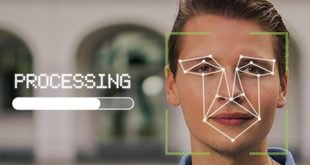
The Department of Homeland Security requested $7.5 million in its April budget proposal to develop a smart glasses prototype for immigration enforcement. The proposed technology could include biometric identification capabilities.
This creates an interesting contrast.
ICE does not want employees wearing consumer Meta smart glasses in federal workspaces, yet the broader agency is interested in developing smart glasses specifically for government operations.
The difference is likely to come down to control.
Government designed equipment could potentially be developed with specific security requirements, approved data storage systems and rules about how information is collected and handled.
Consumer smart glasses are designed for ordinary users. Government equipment would be designed for a very different environment.
This could become an important trend in the future. Organizations may not reject wearable technology completely. Instead, they may demand devices that meet their own security and privacy standards.
Why Smart Glasses Are a Workplace Challenge
The workplace has already experienced major changes because of smartphones and cloud computing.
When smartphones became popular, companies had to develop policies explaining when employees could use personal devices. Businesses also introduced rules around company data, photographs, recordings and confidential information.
Smart glasses could create a similar challenge, but with an additional layer of complexity.
A smart glass device is always positioned at eye level. It can see what the wearer sees and listen to what the wearer hears.
That means the device can potentially collect information without requiring deliberate action every time.
Imagine an employee walking through an office while wearing smart glasses. A confidential document is visible on a desk. A private conversation takes place nearby. A computer screen contains sensitive information.
Even if the employee never intentionally records any of it, the technology could potentially capture part of the environment.
For a government agency dealing with sensitive information, that possibility is enough to justify strict controls.
The Growing Concern About Surveillance
The ICE decision also comes at a time when people are becoming increasingly concerned about surveillance technology.
Cameras are already everywhere. Smartphones, security cameras, doorbells and other connected devices have made video recording a normal part of modern life.
Smart glasses take the idea of personal cameras one step further.
Instead of carrying a camera in a pocket, people can wear one throughout the day.
This creates a new social challenge. People have traditionally been able to recognize when someone is holding a camera or smartphone. Smart glasses can look almost identical to normal eyewear.
Meta has attempted to address this problem through its recording indicator. However, critics argue that a small light may not be enough to make everyone feel comfortable.
The Guardian recently highlighted concerns from people who say they have been recorded in places where they did not expect it. At the same time, advocates point out that smart glasses can offer meaningful benefits, including accessibility features for people with disabilities.
This makes the debate more complicated than simply calling the technology good or bad.
Smart Glasses Can Also Be Useful
Despite the controversy, smart glasses have many practical uses.
They can help users capture photographs quickly, receive information through voice commands and interact with artificial intelligence without constantly looking at a smartphone.
For people with visual impairments and certain disabilities, smart glasses can provide useful assistance. They may help users read information, identify objects or navigate situations while keeping their hands free.
This is why blanket restrictions can be complicated.
The technology itself is not necessarily the problem. The bigger issue is how it is used.
A smart glass device can be useful in one environment and inappropriate in another.
A tourist taking photographs while walking through a public area is very different from a government employee handling confidential information.
That distinction will likely become increasingly important as smart glasses become more popular.
What the ICE Decision Could Mean for the Future
The ICE smart glasses ban could influence other workplaces that are considering wearable technology policies.
Banks, hospitals, schools, government agencies, research organizations and businesses handling confidential information may all need to establish rules for camera enabled glasses.
Employers could eventually require workers to leave personal smart glasses at home, just as some workplaces restrict personal recording devices today.
Other companies may allow smart glasses but require employees to disable cameras in certain areas.
Some organizations may also create approved lists of wearable devices that meet specific security requirements.
The important point is that smart glasses are no longer simply a consumer gadget issue.
They are becoming a workplace policy issue.
As the technology improves, employers will have to think carefully about privacy, security, employee rights and customer expectations.
A New Chapter for Wearable Technology
The decision by ICE to prohibit Meta smart glasses shows how quickly technology can create challenges that traditional workplace rules were not designed to handle.
The glasses may look ordinary, but their capabilities make them fundamentally different from traditional eyewear.
They can see, hear, record and connect to digital services. Those features make them powerful, but they also make privacy and security more complicated.
ICE’s position is particularly interesting because the government is simultaneously exploring its own smart glasses technology for immigration enforcement.
That suggests the future may not be about banning smart glasses altogether. Instead, the future may involve stricter rules about which devices can be used, who controls the information and how recordings are stored.
For consumers, smart glasses may represent a convenient new way to interact with technology. For workplaces, they represent a new responsibility.
The challenge will be finding a balance between innovation and privacy.
As smart glasses become more common, that balance will become increasingly important. The ICE policy is one of the clearest examples yet that workplaces are beginning to take the issue seriously.
The future of wearable technology is likely to be exciting, but it will also require better rules. Smart glasses may eventually become as normal as smartphones. Before that happens, however, society will have to decide when a pair of glasses is simply eyewear and when it becomes a camera that needs permission to be there.