
Related Articles

We live in a world full of images. Every day, people take photos with smartphones, upload pictures to social media, scan documents, watch videos, and use cameras for different purposes. Humans can look at an image and understand what is happening almost instantly. We can recognize a person, identify a car, notice a tree, read a sign, or understand that someone is smiling.
For machines, understanding an image is much more difficult.
A computer does not naturally see an image in the same way that humans do. It sees numbers that represent colors, brightness, shapes, and other visual information. This is where computer vision becomes important. Computer vision is a technology that helps computers analyze and understand images and videos.
In simple words, computer vision helps machines understand images by using cameras, data, algorithms, and artificial intelligence. It allows machines to identify objects, recognize faces, read text, detect movement, and understand many other details inside visual content.
In this article, I will explain how computer vision works, how machines understand images, where this technology is being used, and why computer vision is becoming an important part of modern technology.
What Is Computer Vision?
Computer vision is a field of technology that allows computers and machines to process and understand visual information.
When you take a photo, your smartphone stores that photo as digital information. A computer can process this information and look for patterns. Computer vision systems are designed to find useful information inside images and videos.
For example, imagine showing a computer a picture of a cat. A human can immediately say, “This is a cat.” A computer cannot simply look at the picture and understand it like a person. Instead, a computer vision system analyzes different features of the image.
It may look at the shape of the animal, the position of its ears, the size of its eyes, the pattern of its body, and many other visual details. An artificial intelligence model can then compare these patterns with information it learned from many other images.
If the patterns are similar to images of cats, the system can predict that the object is a cat.
This is the basic idea behind how computer vision helps machines understand images.
How Do Machines See an Image?
One of the most interesting things about computer vision is that machines do not see images exactly as humans do.
A digital image is made up of very small points called pixels. Each pixel contains information about color and brightness. When millions of these pixels are placed together, they create a complete image.
For example, a simple photograph may contain thousands or millions of pixels. Each pixel has numerical information that tells the computer what color it should display.
A computer vision system processes these numbers and searches for meaningful patterns.
At first, the computer may identify simple features such as lines, edges, corners, and different colors. With more advanced artificial intelligence, it can identify larger patterns such as faces, animals, vehicles, buildings, or objects.
This process allows machines to move from simple visual information toward a better understanding of what an image contains.
The Role of Artificial Intelligence in Computer Vision
Artificial intelligence has played a major role in improving computer vision.
Older computer vision systems often depended heavily on rules created by programmers. Developers had to tell the computer what features to look for and how to respond to them.
Modern computer vision systems can learn from examples.
This is usually done with machine learning and deep learning. A model can be trained using a large collection of images. These images may contain different objects, people, animals, places, or other visual information.
During training, the system studies patterns in the images. Over time, it becomes better at recognizing similar patterns in new images.
For example, if an artificial intelligence model is trained with thousands of pictures of different dogs, it can learn that dogs can have different sizes, colors, shapes, and appearances. When the model receives a new picture, it can use what it learned to make a prediction.
This is one of the main reasons modern computer vision systems are much more capable than older systems.
How Computer Vision Helps Machines Understand Images
The process of helping machines understand images usually involves several important steps.
First, the machine receives visual information. This may come from a camera, smartphone, scanner, security camera, medical device, or another source.
Next, the computer processes the image. It may adjust brightness, remove unnecessary noise, improve quality, or prepare the image for analysis.
After that, the computer vision model looks for important visual patterns.
The system may identify objects, recognize shapes, detect faces, read text, or locate specific areas of an image.
Finally, the system produces a result based on what it has detected.
For example, a smart security camera might receive an image and identify a person. A car camera might detect another vehicle in front of the car. A smartphone might recognize a face and use it to unlock the device.
This entire process can happen very quickly.
Object Detection
Object detection is one of the most common applications of computer vision.
Object detection allows machines to identify objects inside an image and determine where those objects are located.
For example, a camera installed on a road may detect cars, motorcycles, bicycles, buses, and pedestrians.
The system does not only recognize the objects. It can also identify their positions inside the image.
This can be extremely useful for smart traffic systems, security cameras, robotics, and many other applications.
A warehouse robot, for example, can use computer vision to recognize boxes and other objects around it. This helps the robot move through its environment and perform tasks more safely.
Image Classification
Image classification is another important part of computer vision.
The goal of image classification is to place an image into a particular category.
For example, a system could classify images as dogs, cats, birds, cars, or people.
A medical system could classify an image based on certain visual patterns. A farming system could analyze pictures of plants and identify whether a plant appears healthy or shows signs of a problem.
Image classification is useful because it allows computers to organize and analyze large amounts of visual information much faster than a person could manually examine every image.

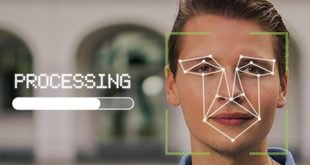
Facial Recognition
Facial recognition is another well known use of computer vision.
A computer vision system can analyze a person’s face and identify specific facial features. Depending on the system and its purpose, it may compare those features with previously stored information.
Facial recognition can be used for device security, identity verification, access control, and other applications.
For example, some smartphones use facial recognition to unlock a device. The camera captures the user’s face and the system checks whether the face matches the authorized user.
However, facial recognition also raises important questions about privacy and responsible use. Companies and organizations need to handle facial information carefully and follow applicable laws and privacy rules.
Reading Text From Images
Computer vision can also help machines understand written information inside images.
This technology is commonly known as optical character recognition, or OCR.
OCR allows a computer to recognize letters and numbers from photographs, scanned documents, receipts, forms, signs, and other visual content.
For example, if you take a picture of a printed document, an OCR system can analyze the image and convert the visible text into digital text.
This can save a lot of time because people do not need to type every word manually.
Banks, offices, schools, businesses, and government organizations can use this technology to process documents more efficiently.
Understanding Faces and Human Expressions
Modern computer vision can go beyond simply identifying a face.
Some systems can analyze facial expressions and estimate visual characteristics such as whether a person appears to be smiling or looking in a particular direction.
This can be useful in areas such as entertainment, human computer interaction, research, and accessibility.
For example, a computer interface could use a camera to understand where a person is looking and adjust the interface accordingly.
It is important to remember that interpreting human emotions from facial expressions is not always accurate. People express themselves differently, and a visual expression does not always reveal what someone is actually feeling.
Computer Vision in Self Driving Technology
Computer vision is an important technology in the development of automated driving systems.
Vehicles can use cameras to collect information about their surroundings. Computer vision systems can analyze this information to identify road signs, lane markings, vehicles, pedestrians, bicycles, and other objects.
This visual information can help an automated driving system understand the road environment.
For example, if a camera detects a pedestrian near a road, the system can recognize that the pedestrian is an important object that needs attention.
Automated driving involves many other technologies as well, including sensors, mapping systems, and artificial intelligence. Computer vision is one important part of the larger system.
Computer Vision in Healthcare
Healthcare is another area where computer vision can provide valuable assistance.
Medical professionals work with many types of images, including X rays, CT scans, MRI scans, ultrasound images, and photographs.
Computer vision systems can analyze these images and help identify patterns that may require further attention.
For example, an artificial intelligence system can assist medical professionals by highlighting unusual areas in a medical image.
The purpose is not always to replace doctors. Instead, computer vision can act as a supporting tool that helps medical professionals examine information more efficiently.
Healthcare applications require careful testing, professional oversight, and appropriate safety standards because mistakes can have serious consequences.
Computer Vision in Manufacturing
Factories can also benefit from computer vision.
Manufacturing companies often need to check products for defects. Traditionally, workers may inspect products manually.
Computer vision systems can assist with this process by examining products using cameras.
For example, a camera may capture an image of a product and an artificial intelligence system can compare it with expected quality standards.
If the system detects an unusual shape, missing component, surface problem, or other visible issue, it can alert the production team.
This can improve quality control and help companies identify problems earlier.
Computer Vision in Agriculture
Agriculture is another interesting application.
Farmers can use cameras, drones, and other devices to collect images of crops and fields.
Computer vision can analyze these images to identify differences between healthy and unhealthy plants. It can also help detect weeds, monitor crop growth, and observe changes across large farming areas.
Instead of manually checking every part of a large field, farmers can use technology to identify areas that may require attention.
This can help save time and support more efficient farming practices.
Computer Vision in Smartphones
Many people already use computer vision without realizing it.
Smartphones contain cameras and software that use computer vision for many different features.
Camera applications can detect faces, improve focus, identify scenes, adjust exposure, and enhance photographs.
Some phones can recognize objects inside images or automatically organize pictures based on people, locations, or visual content.
Features such as portrait photography also depend on advanced image analysis. The phone needs to understand which part of the image is the main subject and which part belongs to the background.
This shows how computer vision has moved from research laboratories into everyday devices.
Computer Vision and Robotics
Robots need to understand their surroundings if they are expected to operate in real environments.
Computer vision gives robots a way to collect visual information about the world.
A robot can use cameras to identify objects, recognize obstacles, understand locations, and interact with its surroundings.
For example, a warehouse robot may need to locate a particular package. It can use computer vision to identify the package and determine its position.
In homes, robots can use visual information to understand rooms and avoid objects while moving around.
As robotics continues to develop, computer vision will likely become even more important.
Why Computer Vision Is Important
The main value of computer vision is that it allows machines to work with visual information.
Humans are naturally good at understanding images, but people cannot manually examine every photograph, video frame, medical scan, or camera feed.
Machines can process enormous amounts of visual data at high speed.
This can help businesses save time, improve automation, increase efficiency, and discover useful information.
Computer vision also allows technology to interact with the physical world in more intelligent ways.
Without computer vision, many modern applications involving cameras, robots, automated systems, and intelligent devices would be much more limited.
Challenges of Computer Vision
Although computer vision has made impressive progress, it is not perfect.
Images can contain poor lighting, unusual angles, shadows, reflections, blurred objects, or partially hidden subjects. These conditions can make it difficult for a machine to correctly understand what it sees.
Another challenge is bias in training data. If an artificial intelligence model is trained using limited or unbalanced information, its performance may not be equally reliable in every situation.
Privacy is another important issue. Cameras and visual recognition systems can collect sensitive information, so organizations need to use them responsibly.
There is also the challenge of understanding context. A machine may recognize individual objects in an image but still struggle to understand the complete situation.
This is why computer vision continues to be an active area of research and development.
The Future of Computer Vision
The future of computer vision looks promising.
Artificial intelligence models are becoming better at understanding complex visual information. As computing technology improves, machines can process larger amounts of data and perform more advanced visual tasks.
We may see computer vision becoming more common in smart homes, healthcare, transportation, education, retail, agriculture, factories, and robotics.
Future systems may also become better at combining images with other types of information. Instead of simply identifying an object, a machine may be able to understand what the object is doing, where it is located, and how it relates to other objects.
This could make robots and intelligent devices more useful in everyday environments.
Final Thoughts
Computer vision has changed the way machines interact with visual information. Instead of treating images as simple collections of pixels, modern systems can analyze patterns and identify objects, faces, text, movements, and other important details.
The basic idea behind how computer vision helps machines understand images is easier to understand when we think about the process step by step. A camera captures visual information, a computer processes the data, artificial intelligence identifies patterns, and the system produces a useful result.
From smartphones and security cameras to healthcare systems, factories, farms, and robots, computer vision is already being used in many areas of modern life.
What makes this technology especially interesting is that it continues to improve. Machines are becoming better at interpreting the visual world, and this progress could lead to many new applications in the future.
Computer vision does not simply give machines the ability to capture images. It gives them a way to analyze those images and turn visual information into something useful. That ability is one of the important foundations of modern artificial intelligence and smart technology.