
Related Articles

Technology has changed many parts of our daily lives, but some inventions can have a much deeper impact than simply making things faster or easier. Smart glasses are one example. For people with visual impairments, this technology is opening new possibilities and helping them become more independent in situations that were once difficult.
One blind man recently described smart glasses as something that changed his life. For him, the glasses are not just another piece of modern technology. They have become a useful tool that helps him understand what is happening around him, recognize important details and complete everyday activities with more confidence.
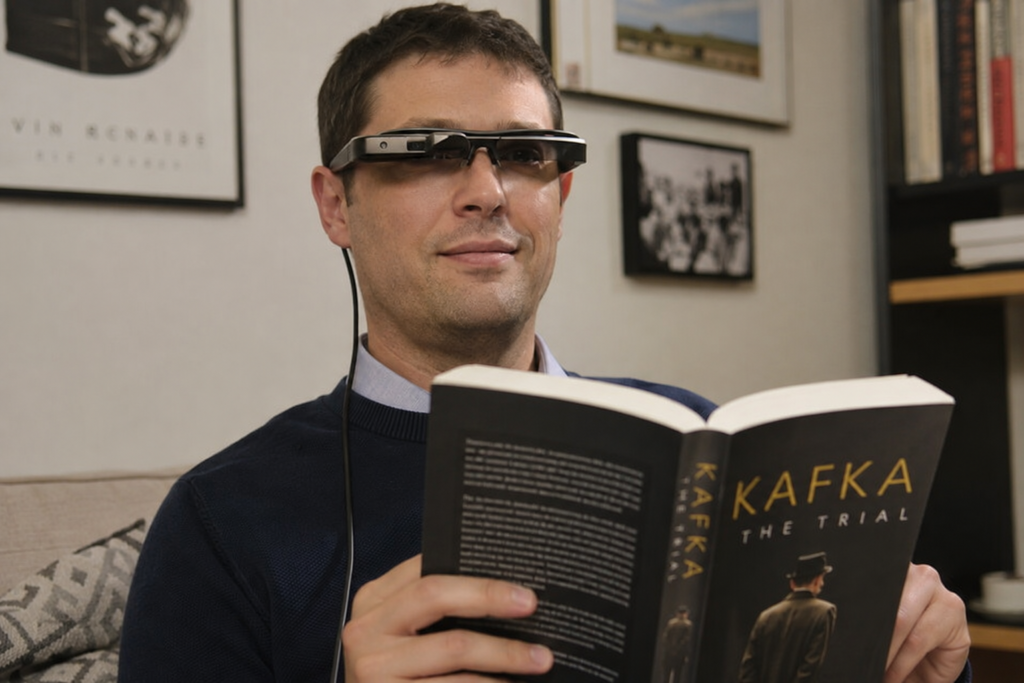
The idea behind smart glasses for blind people is simple. A small camera and computer system can capture information from the environment and provide useful descriptions through audio. Depending on the device, the glasses may help identify objects, read text, recognize faces or describe a scene.
This does not mean that smart glasses can replace human vision. Instead, they provide another way for blind people to receive information about their surroundings.
How Smart Glasses Help Blind People
For someone who cannot see, many ordinary activities can require extra effort. Reading a label, checking a sign, identifying an object or understanding what is in front of them may require assistance from another person.
Smart glasses can make some of these situations easier.
A camera built into the glasses can capture the scene in front of the user. Artificial intelligence can then process the information and provide an audio response. The user can hear the description through a speaker or other audio system without needing to hold a phone or ask someone for help.
This hands free experience is one of the biggest advantages.
Imagine entering a shop and wanting to know what products are on a shelf. Instead of waiting for someone to explain everything, a person may be able to use smart glasses to get information through audio.
The same idea can be useful when reading menus, letters, packaging and signs.
For many users, these small moments can make a major difference.
A New Level of Independence
Independence is often one of the most important things for people with disabilities. Getting help is not a bad thing, but having the option to complete an activity alone can provide a strong sense of confidence.
This is why stories about smart glasses are attracting so much attention.
A blind person who can read a short message independently or identify an item without asking another person may feel more comfortable in everyday situations. The technology can reduce the number of times they need assistance.
The benefit is not only practical. There can also be an emotional effect.
Being able to perform ordinary tasks independently can improve confidence and encourage people to explore new environments. Technology cannot remove every challenge caused by blindness, but it can provide another useful layer of support.
Artificial Intelligence Makes Smart Glasses More Useful
Artificial intelligence is an important part of modern smart glasses.
Older assistive technologies often focused on specific functions. Modern AI systems can understand different types of information and respond in a more flexible way.
For example, a user might ask what is in front of them. The system can analyze the camera image and provide a spoken description.
A user may also want to know what a sign says. The camera can capture the text, while optical character recognition and AI can help turn that information into speech.
This combination of cameras, artificial intelligence and audio makes smart glasses different from ordinary glasses.
They are becoming more like personal assistive computers that can be worn throughout the day.
Reading Becomes Easier
Reading is another area where smart glasses can be useful.
Blind people may already use smartphones and screen reading software, but using a phone is not always convenient. A person may need to position the camera correctly, open an application and complete several steps before getting the required information.
Smart glasses can simplify this process.
A user can look toward a document or product label and ask the device to read it. The information can then be delivered through audio.
This can be helpful with everyday items such as medicine packaging, food labels, letters, bills and signs.
The technology can also help people quickly understand information without depending on another person.
Recognizing Objects and Surroundings
Another promising feature of AI powered smart glasses is object recognition.
A person may want to know whether they are holding a cup, a bottle, a book or another object. In some situations, smart glasses can provide useful information about what the camera sees.
Scene descriptions can also help users understand their surroundings.
For example, the system may describe that there are people nearby, a table in front of the user or a doorway in a particular direction. The level of detail depends on the technology being used.
These features can make unfamiliar environments feel easier to understand.
Smart Glasses Are Not a Replacement for Human Support
Despite the excitement surrounding this technology, it is important to keep expectations realistic.
Smart glasses are helpful tools, but they are not perfect. Artificial intelligence can make mistakes. Cameras can miss important information. Poor lighting, crowded environments and unusual objects can sometimes create difficulties.
For this reason, smart glasses should be considered an assistive tool rather than a complete replacement for mobility training, guide dogs, human assistance or other established forms of support.
Safety is especially important.
A user should not depend entirely on an AI description when crossing a road, navigating dangerous areas or dealing with situations where a mistake could cause serious harm.
The technology can provide additional information, but users still need to make safe decisions.
Privacy Is Also an Important Issue
Smart glasses use cameras, which means privacy needs to be considered.
When a wearable camera is being used in public, other people may be recorded without realizing it. Companies developing these devices therefore face an important responsibility to protect users and the people around them.
Users should understand how their device stores, processes and shares information.
Privacy settings, data policies and recording indicators can become increasingly important as smart glasses become more common.
The future of wearable technology will not depend only on what these devices can do. It will also depend on how responsibly they are designed and used.
The Technology Is Still Developing
Smart glasses have improved considerably, but the technology is still developing.
Future devices may become smaller, lighter and more comfortable. Battery life could improve, while artificial intelligence may become better at understanding complicated environments.
It is also possible that smart glasses will become more affordable as the technology becomes more common.
This could make assistive technology available to a larger number of people.
Developers are also working on making AI systems more useful for people with different types of disabilities. Instead of creating one device for everyone, future technology may provide more personalized assistance based on individual needs.
Why These Stories Matter
Stories about blind people using smart glasses are important because they show the human side of technological progress.
It is easy to talk about artificial intelligence in terms of computers, software and business. But the real impact of technology can often be seen in small everyday moments.
A person reading something without assistance.
A person identifying an object independently.
A person understanding a new environment with greater confidence.
These moments may seem ordinary to someone with normal vision, but they can be extremely meaningful to a person who has spent years finding different ways to navigate a visual world.
That is why the statement that smart glasses changed a blind man’s life has attracted attention. It represents something bigger than one piece of technology.
It represents the possibility of greater independence.
What the Future Could Look Like
The future of smart glasses could be very interesting.
As artificial intelligence becomes more capable, wearable devices may provide more detailed and personalized assistance. Instead of simply identifying an object, future systems could understand context and provide information based on what the user actually needs.
For example, a person entering a new building might receive an audio description of the environment. Someone shopping could receive help identifying products. A user reading a complicated document could ask questions about the information instead of simply listening to every word.
The goal should not be to make technology complicated. The best assistive technology is often technology that works quietly in the background and helps people complete tasks naturally.
Conclusion
Smart glasses are becoming an exciting part of assistive technology, especially for people who are blind or visually impaired. By combining cameras, artificial intelligence and audio feedback, these devices can provide useful information about the world around the user.
For one blind man, smart glasses have become much more than a technological experiment. They have helped him gain confidence and independence in everyday situations.
There are still limitations, and the technology should never be treated as a perfect replacement for human support or established safety tools. However, its potential is difficult to ignore.
As artificial intelligence continues to improve, smart glasses may become an increasingly valuable tool for people with visual impairments. The most important achievement may not be the technology itself, but the freedom it can give people to handle more parts of their lives on their own.
For many users, that kind of independence can be life changing.