A Major Shift in How Phones Work
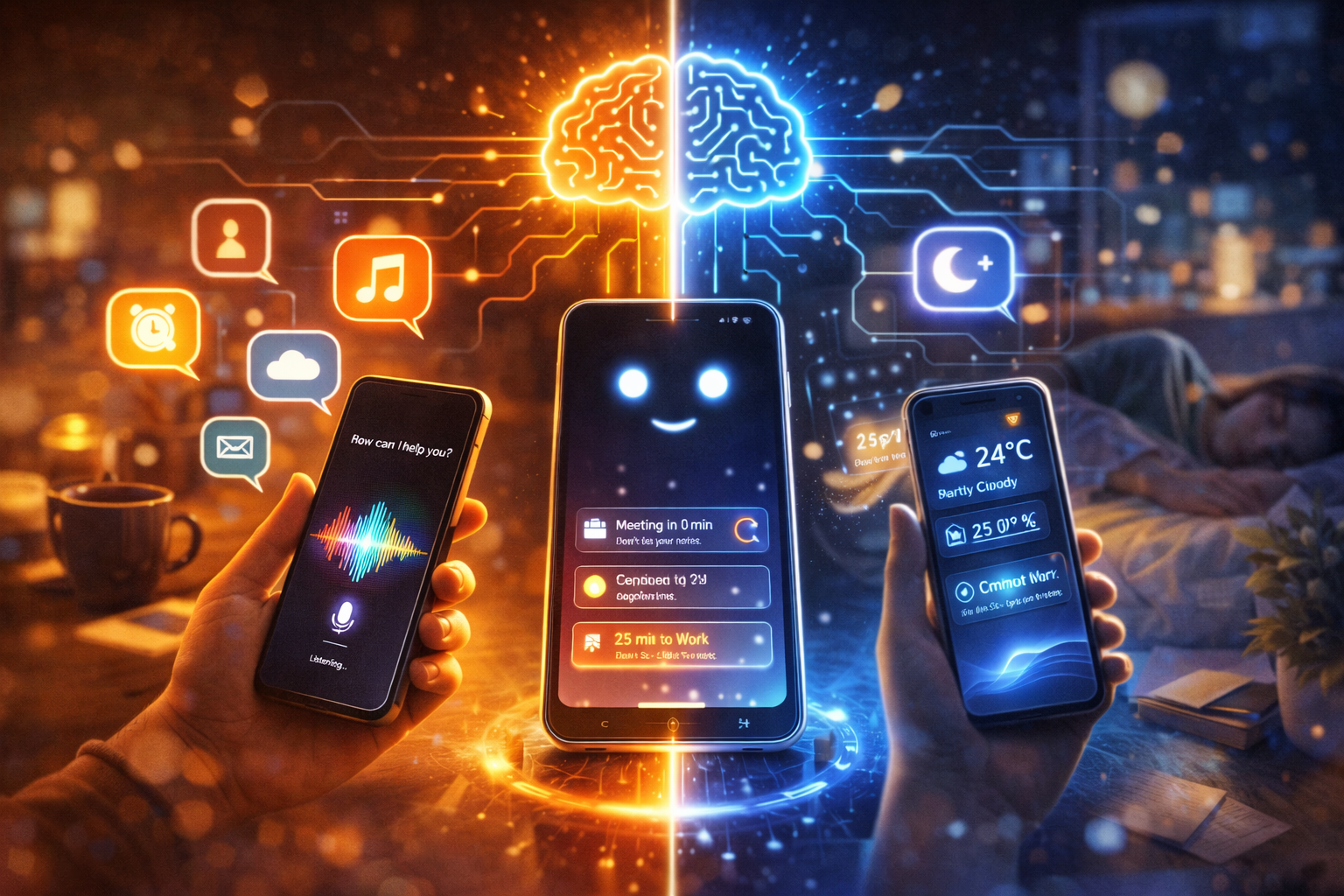
In 2026, smartphones are no longer simple devices that only respond to commands. They have moved into a new phase where learning has become their core function. Instead of waiting for users to tell them what to do, modern smartphones observe behavior, understand patterns, and improve over time.
This shift from responding to learning is one of the biggest changes in mobile technology. It has made smartphones more helpful, more personal, and far more efficient in everyday use.
From Commands to Understanding
In earlier years, smartphones worked on direct input. You had to open apps, type instructions, and manually manage everything. The phone only did what you told it to do.
Now, things are different. Smartphones try to understand what you need instead of waiting for exact commands. They study how you use your device and use that information to guide their actions.
This means fewer steps for users and a smoother experience overall.
Learning From User Behavior
Modern smartphones learn from everyday activities. Every interaction helps the device understand you better.
They observe:
- Which apps you use the most
- What time you use them
- How you interact with notifications
- Your daily routine patterns
Over time, this data helps the phone make smarter decisions. It can suggest actions, organize apps, and prioritize information based on your habits.
Artificial Intelligence as the Engine
Artificial intelligence is the main reason smartphones can learn. It allows devices to process large amounts of data and find patterns.
AI helps smartphones:
- Predict what you might do next
- Improve performance based on usage
- Offer personalized suggestions
Because of AI, smartphones are no longer static devices. They are constantly improving and adapting.
Predictive Features in Daily Use
Learning leads to prediction. Once your phone understands your behavior, it can start predicting your needs.
For example:
- Suggesting apps at certain times
- Reminding you about tasks before deadlines
- Offering quick replies to messages
These predictive features reduce effort and make everyday tasks faster.
Adapting to Changing Habits
One important advantage of learning-based smartphones is adaptability. People’s routines change, and smartphones can adjust accordingly.
If you start using new apps or change your schedule, your phone will notice and update its behavior. This keeps the experience relevant and personalized.
Unlike older devices, which stayed the same, modern smartphones evolve with the user.
Smarter Notifications and Suggestions
Notifications are now based on learning, not just timing. Smartphones decide which alerts are important and which ones can wait.
They can:
- Prioritize urgent messages
- Delay less important notifications
- Suggest actions directly
This reduces distractions and helps users focus on what matters.
Reducing Manual Work
One of the biggest benefits of learning is the reduction of manual work. Smartphones now handle many small tasks automatically.
Examples include:
- Auto-filling information
- Organizing apps
- Managing background processes
Users no longer need to manage every detail. The phone takes care of routine tasks.
A More Personal Experience
Because smartphones learn, they become more personal. Each device adapts to its user in a unique way.
Two people using the same phone model may have completely different experiences because their devices learn different habits.
This personalization makes smartphones feel more connected to individual users.
Balancing Learning and Privacy
As smartphones learn more, privacy becomes important. Users want their data to be safe while still enjoying smart features.
In 2026, many devices process data directly on the phone instead of sending it elsewhere. This improves security and gives users more control.
This balance ensures that learning remains helpful without becoming risky.
Less Effort, More Efficiency
Learning-based smartphones reduce the need for constant input. Users spend less time managing their devices and more time using them productively.
Tasks become faster, decisions become easier, and interactions feel smoother.
This efficiency is one of the biggest advantages of modern smartphones.
The Future of Learning Devices
The trend of smartphones learning instead of just responding will continue to grow. Future devices may become even better at understanding users.
They may:
- Predict needs more accurately
- Adapt instantly to new habits
- Provide deeper personalization
The goal is to make technology more supportive and less demanding.
Conclusion
In 2026, smartphones have moved beyond simple responses. They now learn from users, adapt to their habits, and provide intelligent support.
This shift has made devices more efficient, more personal, and easier to use. By reducing effort and improving accuracy, smartphones are becoming true digital companions.
As technology continues to evolve, this learning ability will shape the future of mobile devices, making them smarter in ways that feel natural and effortless.