A Deeper Connection With Devices
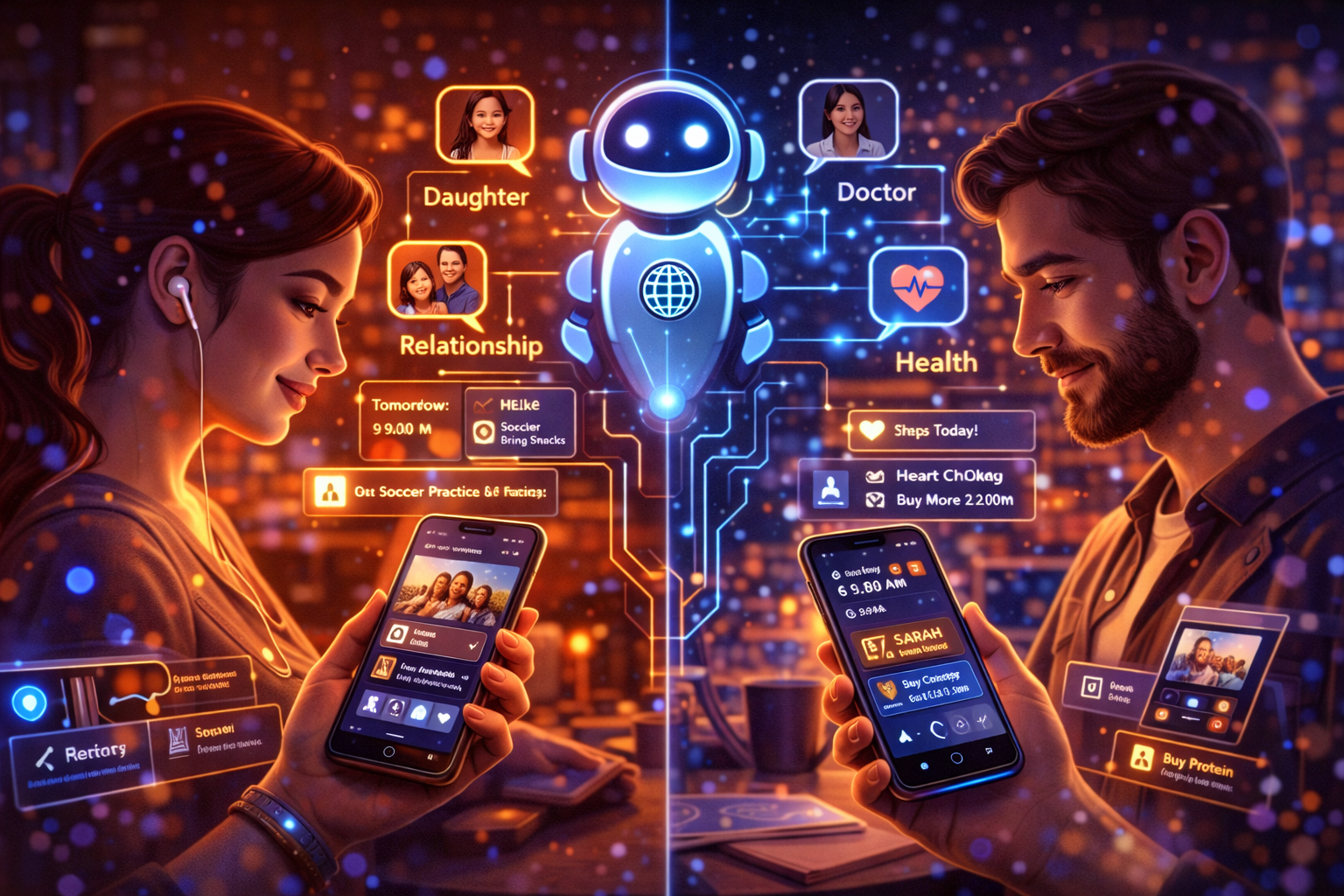
In 2026, mobile technology no longer feels like something separate from us. Instead, it feels personal—almost like it understands who we are. Smartphones are no longer just tools for communication or entertainment. They have become deeply connected to our habits, preferences, and daily routines.
This sense of personalization is not accidental. It is the result of years of development focused on making technology more human-centered. Today, your phone does not just serve you—it adapts to you.
Learning Who You Are
One of the main reasons mobile technology feels personal is its ability to learn from users. Smartphones observe how you use them every day and build a detailed understanding of your behavior.
They learn things like:
- Your daily schedule
- Your favorite apps and content
- Your communication patterns
With this knowledge, your phone begins to reflect your lifestyle. It shows what matters to you and hides what does not.
A Unique Experience for Every User
In the past, every smartphone offered the same experience to all users. Today, that is no longer true. Each device becomes unique based on how it is used.
For example:
- Your home screen may look different from someone else’s
- Your notifications are organized based on your priorities
- Your content suggestions match your interests
This creates a personalized environment where the phone feels like it belongs only to you.
Smart Suggestions That Feel Relevant
Modern smartphones are very good at offering suggestions that feel accurate and helpful. These suggestions are not random—they are based on your behavior and preferences.
Your phone may:
- Recommend music you enjoy
- Suggest videos related to your interests
- Offer quick actions based on your routine
Because these suggestions are relevant, they make the experience feel more personal and less generic.
Understanding Context and Situation
Personalization is not just about habits—it is also about context. Smartphones now understand your situation and adjust accordingly.
For instance:
- At work, your phone may focus on productivity
- At home, it may highlight entertainment
- While traveling, it may suggest navigation
This ability to respond to context makes the device feel more aware of your life.
Communication That Matches Your Style
Mobile technology also adapts to how you communicate. It learns your writing style, your frequent contacts, and your response patterns.
Features like:
- Smart replies
- Predictive text
- Contact prioritization
help make communication faster and more natural. Your phone starts to reflect how you interact with others.
Reducing Effort Through Personalization
One of the biggest benefits of personalization is reduced effort. When your phone understands you, you do not need to repeat the same actions again and again.
For example:
- Apps open faster based on usage
- Forms are filled automatically
- Tasks are suggested at the right time
This makes daily interactions smoother and more efficient.
A Sense of Familiarity and Comfort
As smartphones become more personal, they also become more familiar. Users feel comfortable with their devices because everything is organized in a way that suits them.
This familiarity creates a sense of ease. You do not need to think too much about how to use your phone—it already fits your style.
Balancing Personalization and Privacy
While personalization offers many benefits, it also raises questions about privacy. Users want their devices to understand them, but they also want their data to remain secure.
In 2026, many smartphones focus on processing data directly on the device. This helps protect user information while still allowing personalized features to work effectively.
This balance is important for building trust between users and technology.
Emotional Value of Personal Devices
Although smartphones are machines, they often carry emotional value. People store memories, messages, photos, and important information on their devices.
Because of this, the phone becomes more than just a tool. It becomes a part of personal life, holding moments and experiences that matter.
This emotional connection adds another layer to why mobile technology feels so personal.
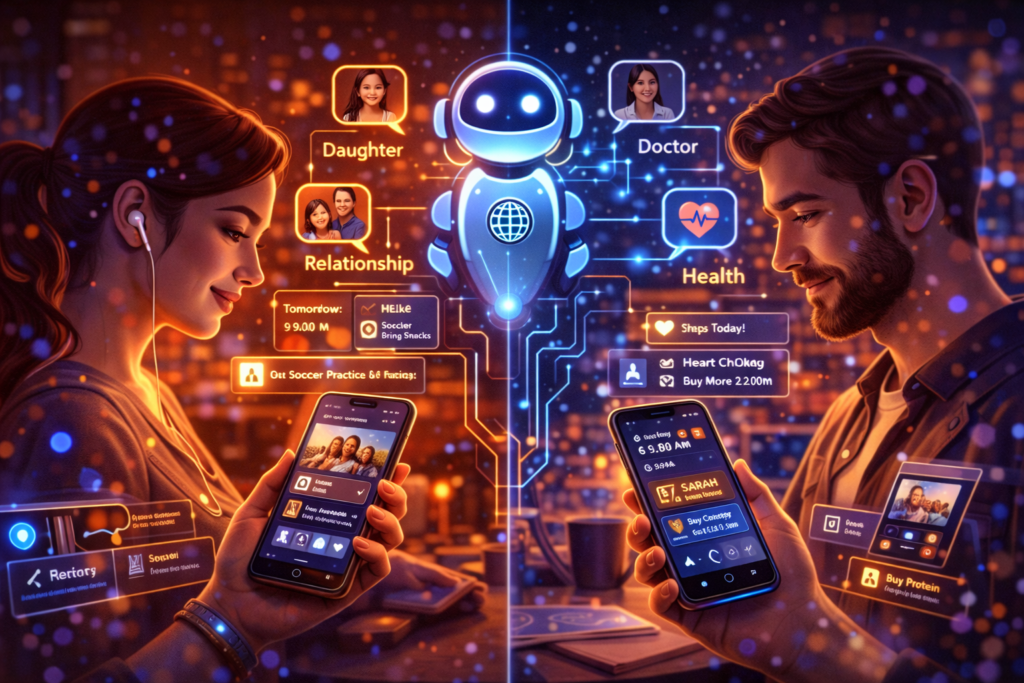
Technology That Adapts to Life
Modern smartphones are designed to adapt to real life. They do not force users to change their habits. Instead, they adjust to how people naturally behave.
This makes technology feel less like a system and more like a companion that supports daily activities.
The Future of Personal Mobile Technology
As technology continues to evolve, smartphones will become even more personal. They may understand users on a deeper level and offer more accurate support.
Future devices could:
- Predict needs more precisely
- Adapt instantly to changing habits
- Provide more meaningful suggestions
The goal will be to make technology feel even more natural and connected.
Conclusion
In 2026, mobile technology feels more personal than ever because it is designed around the user. Smartphones learn behavior, understand context, and adapt to individual needs.
This creates a unique experience for every person, making devices feel more familiar, helpful, and connected. As personalization continues to improve, smartphones will become even more integrated into daily life.
They are no longer just devices—they are personal companions that understand and support us in ways we never imagined before.