Introduction
For many years, electric transport was seen as something for the future. People believed that electric vehicles (EVs) would take decades to become common. They were often viewed as experimental, expensive, and not practical for everyday use.
But in 2026, this perception has completely changed. Electric transport is no longer a future idea—it is a present reality. Roads are already filled with electric cars, buses, bikes, and even trucks.
This shift has happened faster than expected. In this article, we will explore why electric transport is no longer a future concept and how it has become a part of daily life.
The Old View of Electric Transport
Seen as a Distant Innovation
In the past, electric vehicles were considered new and uncertain. Many people thought:
- EVs were too expensive
- Charging was not convenient
- Technology was not advanced enough
Because of these reasons, electric transport felt like something that would happen far in the future.
Limited Availability and Awareness
Earlier, there were very few electric vehicle options. Charging stations were rare, and people did not have much information about EVs.
This lack of availability made adoption slow.
The Turning Point Toward Reality
Rapid Growth in Electric Vehicle Adoption
Over the last few years, the number of electric vehicles has increased significantly. More people are now choosing EVs for daily use.
This growth is driven by:
- Better technology
- Increased awareness
- Government support
Electric vehicles are no longer rare—they are becoming common on roads.
Expansion of Charging Infrastructure
Charging infrastructure has improved greatly. Today, charging stations are available in:
- Cities
- Highways
- Shopping malls
- Residential areas
Fast-charging technology has also reduced charging time, making EVs more practical.
Improved Battery Technology
Battery technology has advanced quickly. Modern batteries offer:
- Longer driving range
- Faster charging
- Better durability
These improvements have removed many of the earlier limitations of electric vehicles.
Why Electric Transport Is Already Here
Daily Use in Urban Areas
Electric vehicles are now part of everyday life, especially in cities. People use EVs for:
- Commuting to work
- Running daily errands
- Short-distance travel
Electric bikes and scooters are also widely used for convenience.
Electric Public Transport Systems
Many cities have introduced electric buses and trains. These systems are:
- Cleaner
- More efficient
- Cost-effective
Public transport is becoming more sustainable with electrification.
Adoption in Logistics and Businesses
Businesses are also shifting to electric transport. Delivery companies use electric vans and bikes to reduce costs and emissions.
This is especially important for:
- Last-mile delivery
- Urban logistics
- E-commerce operations
Benefits Driving This Shift
Environmental Advantages
Electric transport reduces pollution by eliminating harmful emissions. This helps:
- Improve air quality
- Reduce carbon footprint
- Protect the environment
Cities are becoming cleaner as more EVs are used.
Cost Efficiency
Electric vehicles are cheaper to operate in the long run. Users save money on:
- Fuel costs
- Maintenance
- Repairs
This makes EVs a practical choice for many people.
Better Driving Experience
Electric vehicles offer a smooth and quiet driving experience. Features include:
- Instant acceleration
- No engine noise
- Minimal vibration
This makes driving more comfortable and enjoyable.
Role of Government and Policies
Supportive Incentives
Governments are encouraging electric transport through:
- Subsidies for EV buyers
- Tax reductions
- Financial incentives
These policies make EVs more affordable.
Regulations on Fuel Vehicles
Many countries are planning to reduce or ban fuel-powered vehicles in the future. This is pushing the transition toward electric mobility.
Investment in Infrastructure
Governments are investing in charging networks and renewable energy systems to support electric transport.
Technological Integration in Electric Transport
Smart Features in Vehicles
Modern EVs are equipped with advanced technology, such as:
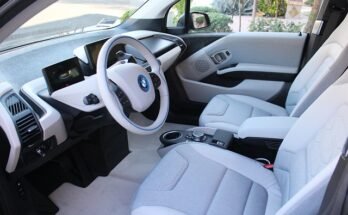
- Digital dashboards
- Navigation systems
- AI-based assistance
This makes vehicles smarter and easier to use.
Connectivity and Data Usage
Electric vehicles are connected to digital systems. Drivers can:
- Monitor battery levels
- Track performance
- Plan routes efficiently
This improves overall efficiency.
Challenges That Are Being Solved
Range Anxiety
Earlier, people worried about how far EVs could travel. Now, improved batteries and charging networks are reducing this concern.
Charging Time
Charging used to take a long time. Fast-charging stations are now making it quicker and more convenient.
Initial Cost
Although EVs can still be expensive, prices are gradually decreasing as production increases.
Electric Transport Across Different Sectors
Two-Wheelers and Personal Mobility
Electric bikes and scooters are widely used for short trips. They are affordable and efficient.
Public Transportation
Electric buses and trains are improving urban mobility and reducing pollution.
Commercial and Industrial Use
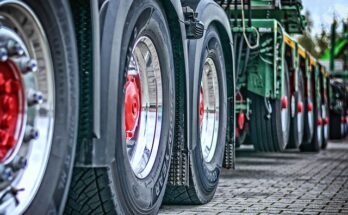
Electric trucks and delivery vehicles are transforming logistics and transportation industries.
The Future Is Already in Motion
Continuous Innovation
Electric transport continues to evolve. Future developments include:
- Faster charging systems
- Longer battery life
- Autonomous electric vehicles
Global Acceptance
People around the world are accepting electric transport as a normal choice. Businesses and governments are also supporting this transition.
A New Standard for Mobility
Electric transport is becoming the standard, not the exception. It is shaping the future of transportation.
Conclusion
Electric transport is no longer a future concept—it is a present reality. In 2026, electric vehicles are already part of daily life, transforming how people travel.
With better technology, growing infrastructure, and strong support from governments and businesses, the shift to electric mobility is accelerating.
The future we once imagined is already here. Electric transport is not coming—it has arrived, and it is changing the world quietly but powerfully.