Introduction
Driving has always been a familiar experience for most people. The sound of the engine, the vibration of the vehicle, and the process of shifting gears were all part of it. But in 2026, a new type of driving is becoming common—electric movement.
Electric vehicles (EVs) are not just replacing fuel-powered cars; they are changing how driving feels. Many drivers notice the difference immediately when they switch to an electric vehicle.
This article explores why electric movement feels different from traditional driving and what makes this experience unique.
Understanding Traditional Driving Experience
How Fuel-Based Vehicles Operate
Traditional vehicles use internal combustion engines. These engines burn fuel to produce power. This process involves:
- Fuel ignition inside the engine
- Mechanical movement of many parts
- Transmission systems for gear shifting
This creates a driving experience that includes noise, vibration, and gradual acceleration.
Common Features of Traditional Driving
Drivers are used to certain characteristics in fuel-powered vehicles, such as:
- Engine noise during acceleration
- Gear changes while driving
- Slight delay in power delivery
- Regular maintenance needs
These features have defined driving for decades.
What Makes Electric Movement Different
No Engine, No Noise
One of the biggest differences is the absence of engine noise. Electric vehicles do not use combustion engines, so they operate quietly.
Instead of loud engine sounds, you experience:
- Near silence
- Soft mechanical hum
- Minimal external noise
This creates a calm and peaceful driving environment.
Instant Power Delivery
Electric vehicles provide instant torque. This means power is delivered immediately when you press the accelerator.
Unlike traditional cars, there is no delay. This results in:
- Quick acceleration
- Smooth response
- Better control
This instant reaction makes driving feel more responsive.
No Gear Shifting
Most electric vehicles do not require traditional gear systems. This removes the need for manual or automatic gear shifting.
As a result:
- Driving becomes simpler
- There is less interruption in movement
- The experience feels more continuous
Smooth and Comfortable Driving
Reduced Vibration
Fuel engines create vibrations due to combustion and moving parts. Electric motors, however, run smoothly with minimal vibration.
This leads to:
- More comfort for drivers and passengers
- Less fatigue during long drives
- A premium driving feel
Seamless Acceleration
Electric vehicles accelerate in a straight and smooth manner. There are no sudden jumps or pauses.
This makes driving:
- Predictable
- Stable
- Easy to control
Better Cabin Experience
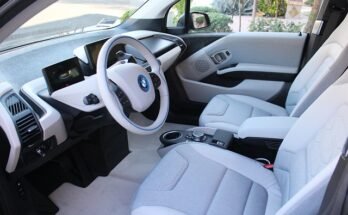
The quiet operation of EVs improves the interior experience. Inside the vehicle, you can:
- Enjoy music more clearly
- Have better conversations
- Experience less stress
This enhances overall comfort.
Smart Technology Enhancing the Experience
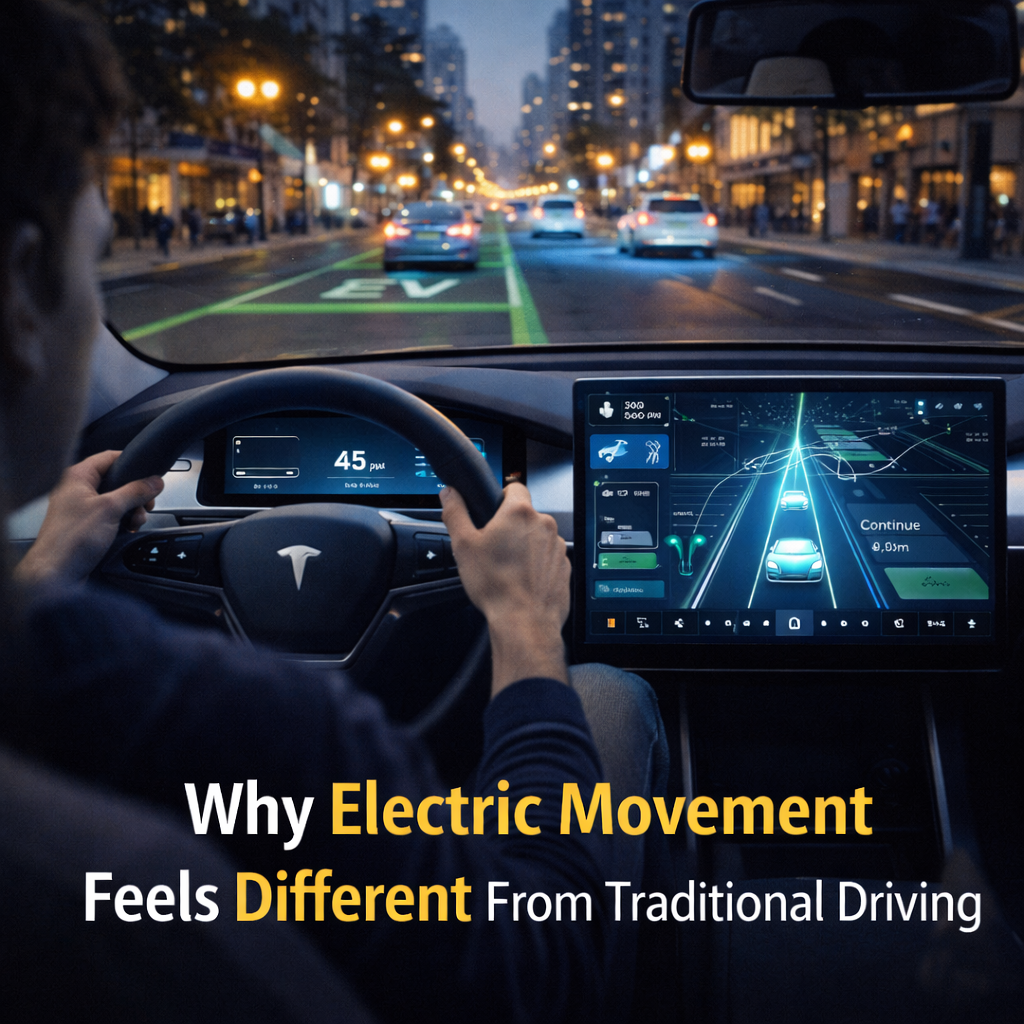
Digital Control Systems
Electric vehicles are designed with modern technology. Many EVs include:
- Touchscreen displays
- Voice commands
- Smart navigation systems
These features make driving more interactive and user-friendly.
Real-Time Energy Monitoring
Instead of a fuel gauge, EVs show battery levels and energy usage. Drivers can monitor:
- Remaining range
- Charging status
- Energy efficiency
This creates a more informed driving experience.
Advanced Driver Assistance
Many electric vehicles come with advanced safety features, such as:
- Lane assist
- Automatic braking
- Adaptive cruise control
These systems make driving safer and easier.
Emotional and Psychological Differences
A Calm Driving Environment
Electric movement feels calmer compared to traditional driving. The absence of noise and vibration reduces stress.
Drivers often feel:
- More relaxed
- More focused
- Less tired after long trips
A Sense of Modern Innovation
Driving an electric vehicle gives a feeling of using advanced technology. It feels like being part of the future.
This creates excitement and satisfaction for many users.
Connection With Sustainability
Many drivers feel good knowing they are reducing pollution. Electric mobility supports environmental responsibility.
This adds emotional value to the driving experience.
Practical Benefits of Electric Movement
Lower Running Costs
Electric vehicles are cheaper to operate. Charging costs less than fuel, and maintenance is minimal.
This makes driving more affordable in the long term.
Less Maintenance Hassle
EVs have fewer parts that can wear out. There is no need for:
- Oil changes
- Engine repairs
- Exhaust system maintenance
This simplifies vehicle ownership.
Convenient Charging Options
Drivers can charge their vehicles at home or at public stations. This removes the need for frequent visits to fuel stations.
Challenges That Affect the Experience
Range Awareness
Drivers need to monitor battery levels carefully. Unlike fuel cars, running out of charge requires planning.
However, improved battery technology is reducing this concern.
Charging Time
Charging takes longer than refueling. Although fast chargers are available, it still requires some patience.
Learning Curve
Switching to electric driving requires adjustment. Drivers need to get used to:
- New controls
- Charging habits
- Energy management
Over time, these become normal.
Electric Movement in Different Scenarios
City Driving
Electric vehicles are perfect for urban areas. They offer:
- Smooth stop-and-go performance
- Quiet operation in traffic
- Efficient energy use
Highway Driving
On highways, EVs provide stable and consistent performance. Modern batteries allow long-distance travel with fewer interruptions.
Daily Commuting
For everyday use, electric movement is simple and convenient. Charging at home makes daily travel easier.
The Future of Driving Experience
Continuous Innovation
Electric mobility is still evolving. Future improvements will include:
- Faster charging
- Longer battery life
- Enhanced automation
Integration With Smart Systems
Vehicles will become more connected with:
- Traffic networks
- Smart cities
- Energy grids
This will make driving even more efficient.
A New Standard for Driving
Electric movement is becoming the new normal. Future drivers may never experience traditional engines the same way.
Conclusion
Electric movement feels different from traditional driving because it removes many of the old limitations. It is quieter, smoother, and more responsive.
This new driving experience is not just about comfort—it represents a shift toward smarter and cleaner transportation.
In 2026, electric vehicles are redefining how we feel behind the wheel. As technology continues to improve, this difference will become even more noticeable.
The future of driving is not just about reaching your destination—it is about how you feel during the journey.