A New Level of Smartphone Intelligence
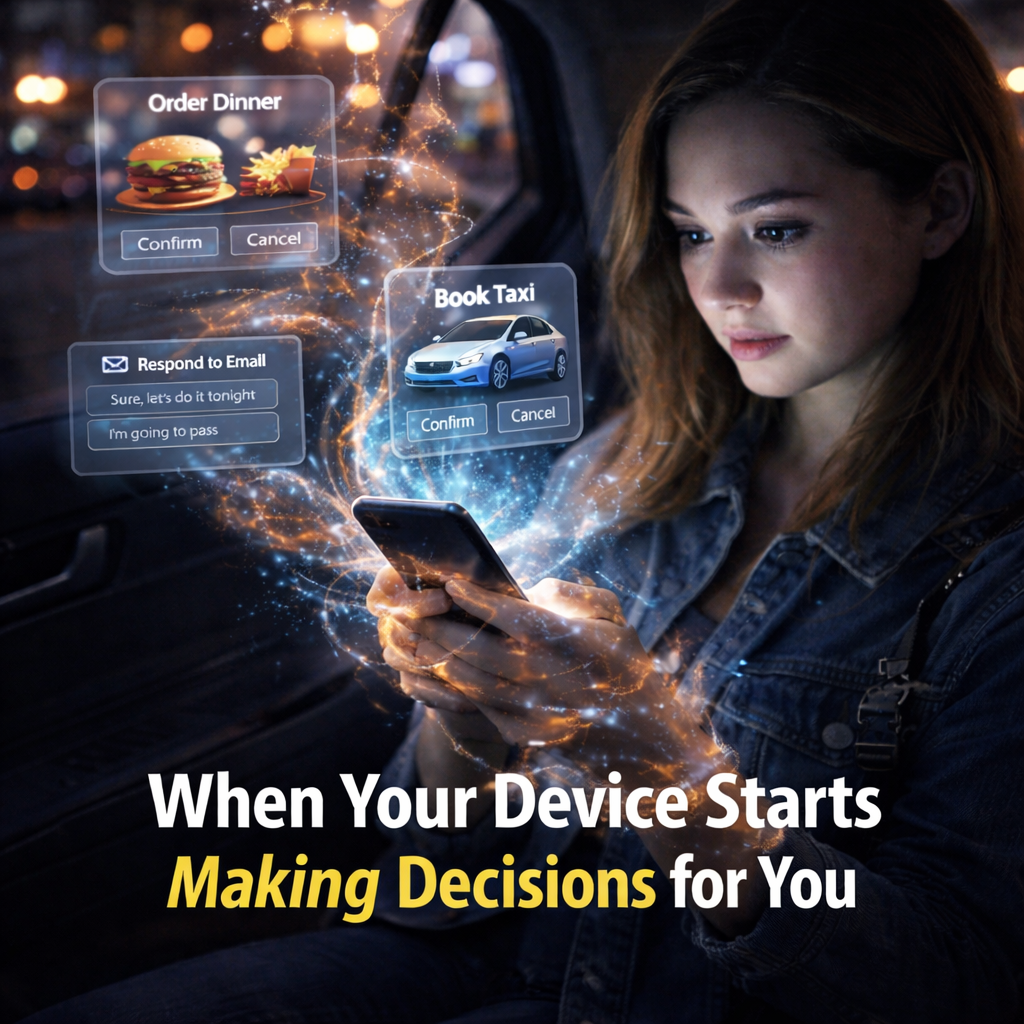
In 2026, smartphones have reached a stage where they are not just assisting users—they are making decisions for them. This does not mean devices are taking full control, but they are now capable of handling many small decisions that once required human input. These decisions are based on patterns, preferences, and real-time data, making them accurate and useful.
This shift represents a new level of intelligence in mobile technology, where devices actively participate in daily life rather than simply responding to commands.
From Suggestions to Decisions
In earlier years, smartphones mainly offered suggestions. They would recommend apps, remind users of tasks, or suggest routes. However, the final action was always left to the user.
In 2026, smartphones go a step further. They do not just suggest—they act. For example, your phone may automatically silence notifications during a meeting or adjust settings based on your environment.
These actions save time and reduce the need for constant interaction.
Powered by Data and Learning
The ability of smartphones to make decisions comes from data. Devices collect and analyze information from daily usage.
They learn:
- Your routine and habits
- Your preferred apps and settings
- Your response patterns
Using this data, the phone can make informed decisions that match your behavior. Over time, these decisions become more accurate.
Context-Based Decision Making
Modern smartphones also rely on context. They consider factors like location, time, and activity before taking action.
For example:
- Switching to silent mode in a workplace
- Activating navigation when you start driving
- Adjusting brightness based on lighting conditions
These decisions are not random—they are based on understanding your situation.
Reducing Everyday Effort
One of the biggest advantages of decision-making smartphones is reduced effort. Users no longer need to manage every small detail.
Tasks that are now handled automatically include:
- Managing notifications
- Organizing apps
- Optimizing performance
This allows users to focus on more important activities while the phone handles routine decisions.
Smart Systems Working in the Background
Most of these decisions happen quietly in the background. Users may not even realize that their phone is making adjustments.
For instance:
- Apps are updated automatically
- Battery usage is optimized
- Security systems run without interruption
This invisible intelligence creates a smooth and effortless experience.
Balancing Automation and Control
While smartphones are becoming more autonomous, user control is still important. Devices are designed to assist, not replace human decision-making.
Users can:
- Override automatic actions
- Adjust settings manually
- Customize preferences
This balance ensures that smartphones remain helpful without becoming intrusive.
Personalization Through Decisions
Decision-making also enhances personalization. Since smartphones learn from individual users, their decisions are tailored to each person.
Two users may have the same device, but their phones will behave differently based on their habits.
This makes the experience more personal and relevant.
Improving Efficiency and Productivity
By making small decisions automatically, smartphones improve efficiency. Tasks are completed faster, and users spend less time managing their devices.
This leads to:
- Better time management
- Reduced mental effort
- Increased productivity
The phone becomes a partner in managing daily life.
Trust in Technology
As smartphones take on more responsibility, trust becomes important. Users need to feel confident that their devices are making the right decisions.
In 2026, this trust is built through:
- Consistent performance
- Accurate predictions
- Strong privacy protection
When users trust their devices, they are more comfortable allowing automation.
A Step Toward Autonomous Devices
The ability of smartphones to make decisions is a step toward more autonomous technology. While full automation is not the goal, partial independence makes devices more useful.
Future smartphones may:
- Handle more complex tasks
- Make better predictions
- Offer deeper assistance
This evolution will continue to reduce the gap between human intent and device action.
Conclusion
In 2026, smartphones are no longer just tools that wait for instructions. They have started making decisions based on user behavior, context, and data.
This shift reduces effort, improves efficiency, and creates a more personalized experience. By handling small but important tasks, smartphones make daily life easier and more organized.
As technology continues to evolve, this decision-making ability will grow stronger, making smartphones even more intelligent and supportive companions.