Beyond Just Seeing Content
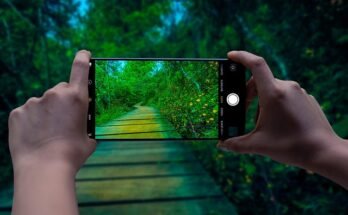
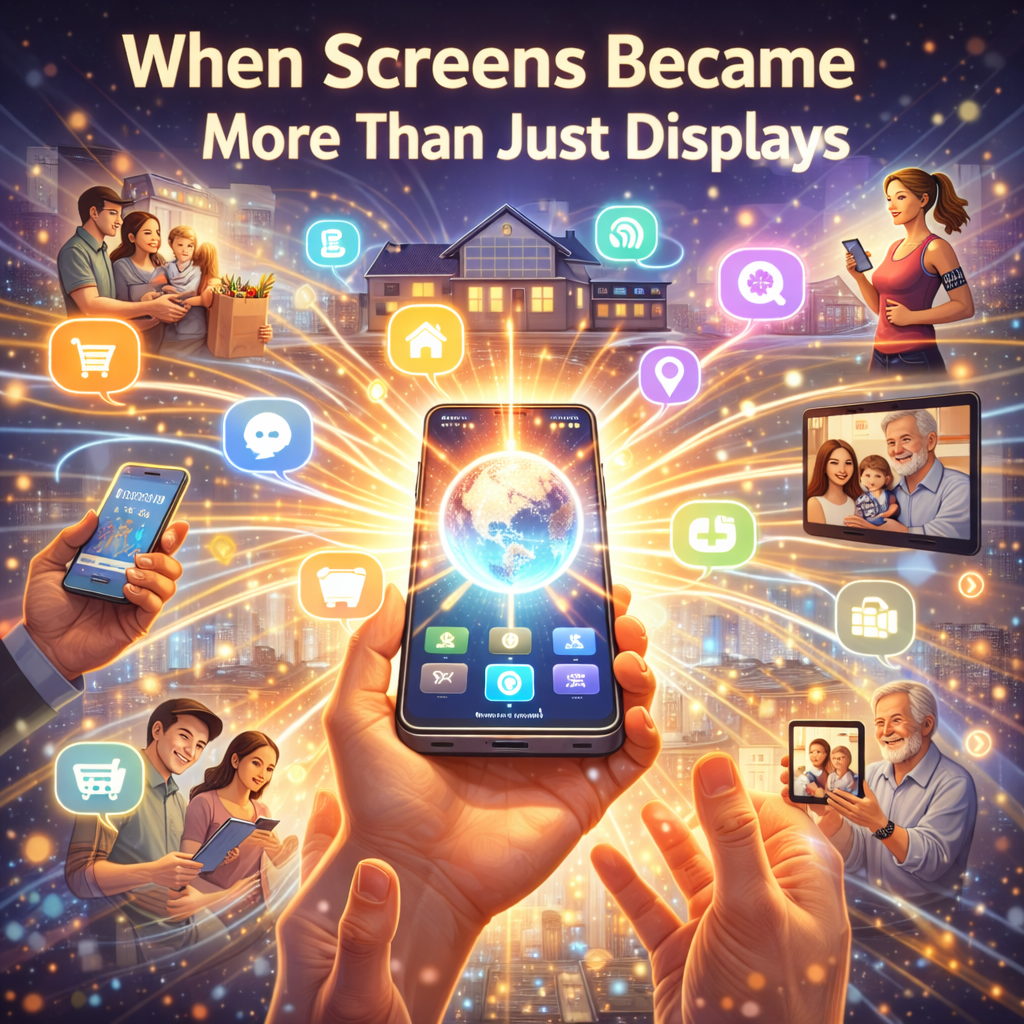
In 2026, smartphone screens are no longer just surfaces for viewing content. They have evolved into interactive, intelligent spaces that play a central role in how users experience their devices. What was once simply a display for text, images, and videos has now become a dynamic interface that responds, adapts, and even guides users.
This transformation did not happen suddenly. It developed over time as screens became more advanced, responsive, and deeply connected with software. Today, the screen is not just where you see things—it is where most of the intelligence of the device comes to life.
From Passive Viewing to Active Interaction
In earlier years, screens were passive. They showed whatever the user selected, but they did not actively contribute to the experience. Now, screens are part of the thinking process of the device.
They can:
- Show smart suggestions at the right moment
- Highlight important information
- Adjust layouts based on usage
This makes interaction more intuitive. Instead of searching through menus, users are guided by what appears on the screen.
Adaptive Interfaces That Change With You
One of the biggest changes in modern screens is adaptability. The content and layout are no longer fixed. They change depending on how and when you use your phone.
For example:
- Morning screens may show weather and updates
- Work hours may highlight productivity apps
- Evening screens may focus on entertainment
This dynamic behavior makes the phone feel more personal. The screen adjusts to your routine instead of staying the same all the time.
Touch Experience That Feels Natural
Touch interaction has become smoother and more precise. In 2026, screens respond instantly to gestures, making the experience feel natural and fluid.
Users can:
- Swipe, tap, and hold with better accuracy
- Use gestures instead of buttons
- Interact with apps more smoothly
This improved touch response reduces effort and makes navigation easier.
Visual Clarity and Comfort
Modern smartphone screens are also designed for better comfort. They adjust brightness, colors, and contrast based on lighting conditions and user preferences.
For instance:
- Reducing brightness in low light
- Adjusting color tones for eye comfort
- Enhancing visibility in sunlight
These features make screens easier to use for longer periods without causing strain.
Smart Content Display
Screens now play a role in organizing and presenting information. They do not just show everything at once. Instead, they display content in a smarter way.
They can:
- Prioritize important notifications
- Group related information
- Suggest actions directly on the screen
This reduces clutter and helps users focus on what matters.
Integration With AI Features
Artificial intelligence is closely connected to how screens function today. The screen becomes the place where AI-driven suggestions appear.
For example:
- Suggested replies in messages
- Quick actions based on activity
- Personalized content recommendations
These features appear directly on the screen, making them easy to access without extra steps.
Multitasking Made Easier
Screens in 2026 support better multitasking. Users can perform multiple tasks without switching constantly between apps.
Features include:
- Split-screen usage
- Floating windows
- Quick app switching
This allows users to handle more tasks at once, similar to working on a computer.
Screens as Control Centers
Modern screens act as control centers for the entire device. From one place, users can manage settings, apps, and connected devices.
They can:
- Control smart home devices
- Adjust system settings quickly
- Access important tools instantly
This central role makes the screen more than just a viewing area—it becomes the main control hub.
Personalization on Display
Screens now reflect the user’s personality and preferences. They can be customized in many ways, from layout to content.
For example:
- Widgets showing useful information
- Custom app arrangements
- Personalized themes
This makes the device feel unique and tailored to each user.
Reducing Effort Through Smart Design
One of the main goals of modern screens is to reduce effort. Everything is designed to be easy to access and simple to use.
Users do not need to search deeply or navigate complex menus. Important features are available directly on the screen, saving time and energy.
The Future of Smartphone Screens
As technology continues to evolve, screens will become even more advanced. They may become more interactive, more responsive, and even more personalized.
Future screens could:
- Understand user intent more deeply
- Display information before it is requested
- Blend physical and digital experiences
The direction is clear—screens will continue to play a central role in how we interact with technology.
Conclusion
In 2026, smartphone screens are no longer just displays. They are intelligent, adaptive, and deeply connected to the overall experience of the device.
From guiding users to organizing information and supporting multitasking, screens have become an essential part of how smartphones function. This transformation has made devices easier to use, more personal, and more efficient.
As smartphones continue to evolve, the role of screens will only grow, making them not just a feature, but the heart of the user experience.