More Than Just a Device
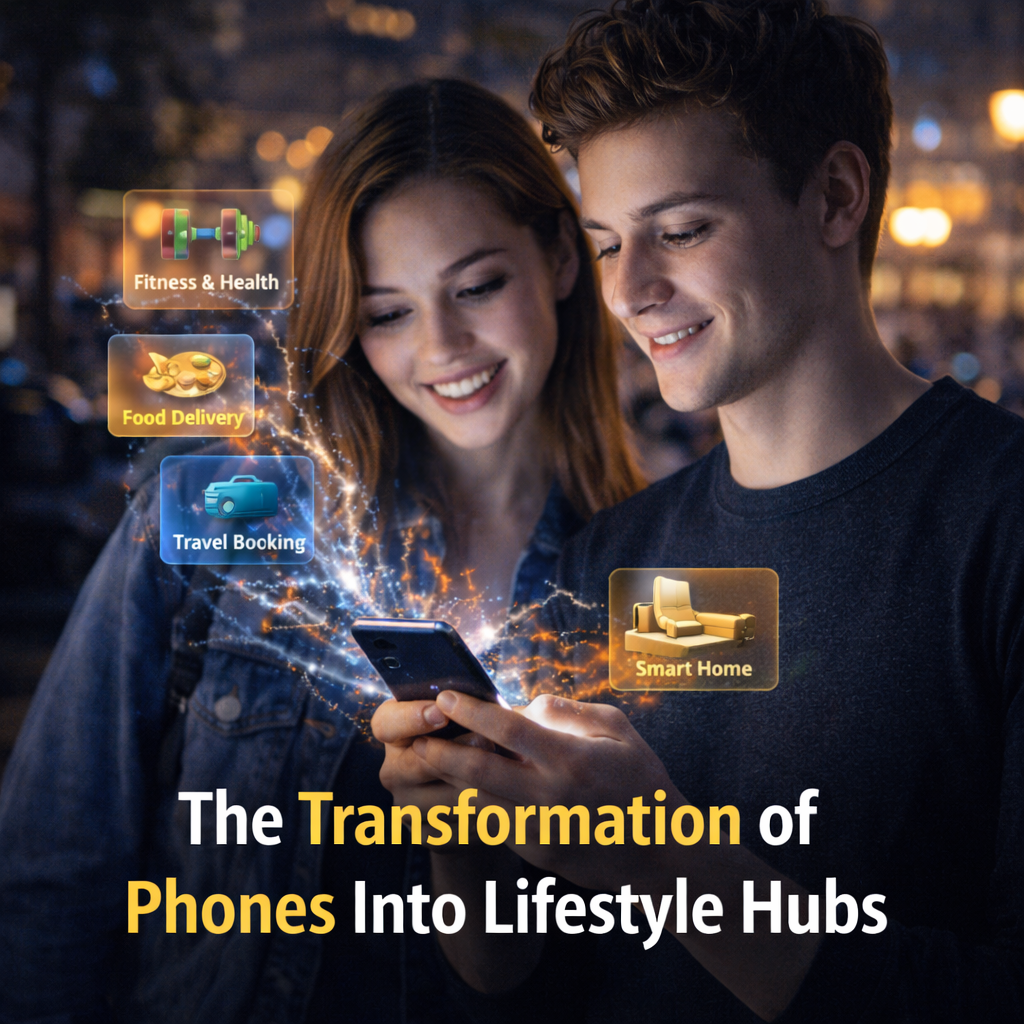
In 2026, smartphones are no longer limited to a single purpose. They have transformed into complete lifestyle hubs that manage, support, and connect different parts of daily life. From work and health to entertainment and communication, everything now revolves around the smartphone.
This transformation has changed how people live. Instead of using multiple tools for different needs, users now rely on one central device that handles almost everything.
A Central Point for Daily Activities
Modern smartphones act as the center of daily routines. They bring together different aspects of life into one place.
People use their phones to:
- Plan their day
- Stay connected with others
- Manage personal tasks
- Access important information
This central role makes smartphones more than just useful—they become essential.
Managing Work and Productivity
Smartphones have become powerful tools for productivity. Many users now handle work tasks directly from their devices.
They can:
- Check and send emails
- Edit documents
- Join virtual meetings
- Manage schedules
With cloud services and mobile apps, work is no longer tied to a specific place. The smartphone allows people to stay productive wherever they are.
Health and Wellness Integration
One of the biggest changes is how smartphones support health and wellness. They are no longer just digital tools—they also help users take care of their physical and mental health.
They can:
- Track steps and activity levels
- Monitor sleep patterns
- Suggest healthier habits
Some devices even provide reminders to take breaks or stay active. This makes the phone a partner in maintaining a balanced lifestyle.
Entertainment in One Place
Smartphones are also complete entertainment hubs. Users can watch videos, listen to music, play games, and explore content all in one place.
Instead of switching between different devices, everything is available on the phone. This convenience makes entertainment more accessible and enjoyable.
Managing Finances and Payments
Another important role of smartphones is handling financial tasks. Users can now manage money directly from their devices.
This includes:
- Online payments
- Banking services
- Expense tracking
Digital wallets and secure payment systems have made transactions faster and easier. The phone has become a modern wallet.
Smart Home Control
In 2026, smartphones are also connected to smart home systems. They allow users to control different devices in their homes from a single place.
For example, users can:
- Adjust lighting
- Control temperature
- Manage security systems
This level of control makes daily life more convenient and efficient.
Personal Organization Made Simple
Smartphones help users stay organized by managing tasks and reminders. They act like digital planners that keep everything in order.
They can:
- Set reminders for important events
- Organize to-do lists
- Provide alerts at the right time
This reduces the need to remember everything manually.
A Personalized Experience
Lifestyle hubs are effective because they are personalized. Smartphones learn user habits and adapt accordingly.
They adjust:
- Content recommendations
- App suggestions
- Notification priorities
This makes the experience unique for each user, improving comfort and efficiency.
Reducing the Need for Multiple Devices
Before smartphones became lifestyle hubs, people needed separate devices for different tasks. Now, one device can handle everything.
Instead of carrying:
- A camera
- A music player
- A planner
- A wallet
users only need their smartphone. This simplifies daily life.
Always Connected, Always Ready
Smartphones are always connected to the internet and other devices. This allows users to access information and services instantly.
Whether it is checking updates, communicating, or controlling devices, everything is available at any time.
This constant connectivity is a key part of why smartphones function as lifestyle hubs.
The Future of Lifestyle Integration
The transformation of smartphones into lifestyle hubs will continue. Future devices may become even more integrated into daily life.
They may:
- Offer deeper health insights
- Provide smarter automation
- Connect more aspects of life
The goal is to make life easier and more organized.
Conclusion
In 2026, smartphones have evolved into complete lifestyle hubs. They manage work, health, entertainment, finances, and daily tasks in one place.
This transformation has made them essential in modern life. By combining multiple functions into a single device, smartphones simplify routines and improve convenience.
As technology continues to grow, smartphones will become even more central to how people live, making them not just devices, but the core of everyday life.