A Quiet Upgrade in Everyday Technology
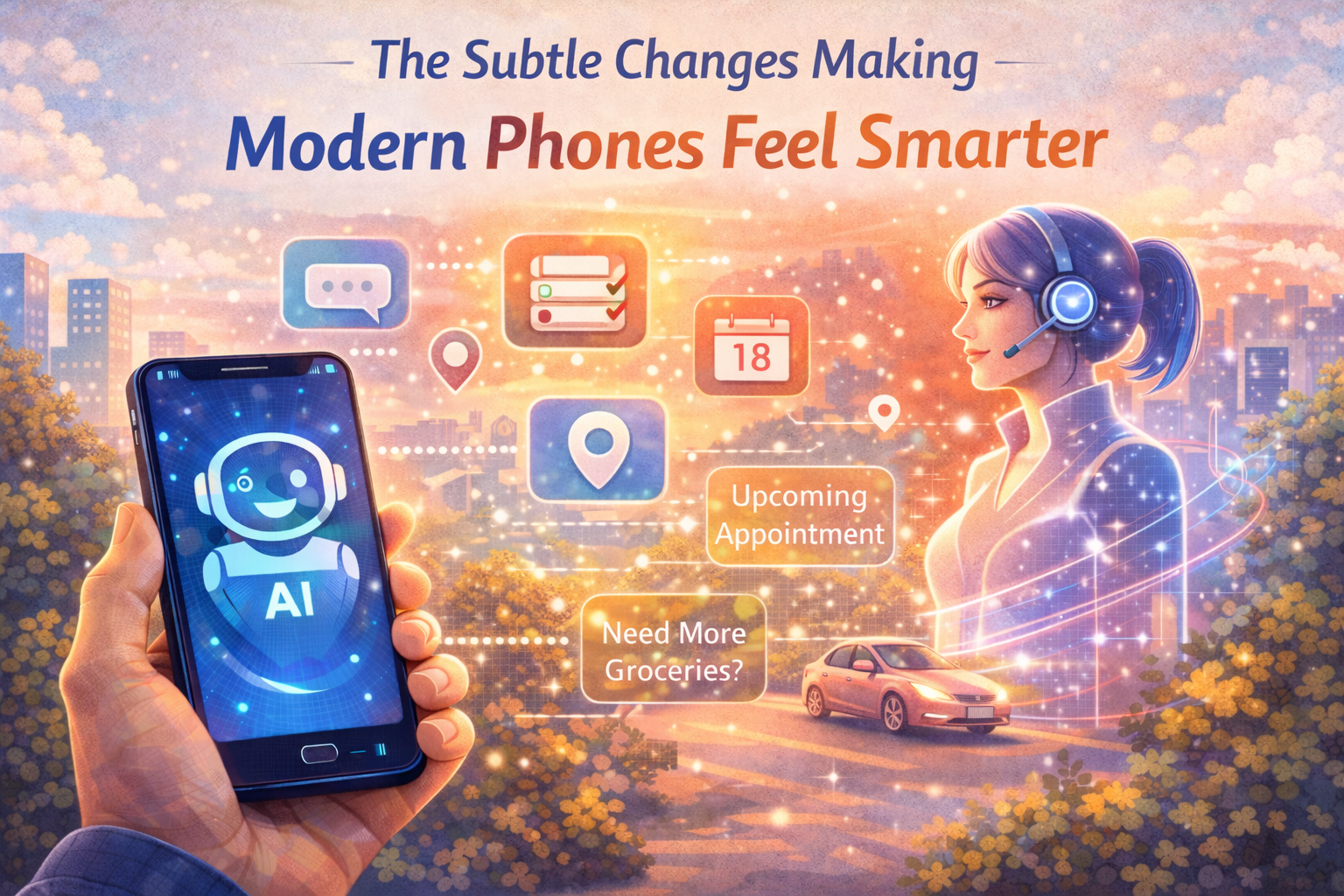
In 2026, smartphones feel smarter than ever, but not because of obvious changes. There are no dramatic differences in how they look or feel in your hand. Instead, the intelligence comes from subtle improvements that work quietly in the background. These changes are not always visible, but they shape how the device behaves and how users experience it every day.
Most people may not notice these upgrades directly, yet they feel the difference. Phones respond faster, understand better, and require less effort. This is what makes modern smartphones feel more intelligent without appearing complicated.
Smarter Without Being Complex
One of the most important changes in modern smartphones is the balance between intelligence and simplicity. In the past, adding more features often made devices harder to use. But in 2026, the focus has shifted.
Now, smartphones aim to do more while showing less. Instead of overwhelming users with options, they simplify interactions. The device handles complex processes internally, allowing users to enjoy a clean and easy experience.
This approach makes technology feel natural rather than technical.
Faster Responses and Smooth Performance
Performance improvements play a major role in making phones feel smarter. Apps open instantly, animations are smooth, and multitasking happens without delays.
These changes may seem small, but they create a big impact. When everything works quickly and smoothly, the phone feels more responsive and reliable.
Users do not have to wait or repeat actions. The device keeps up with them, which creates a sense of intelligence.
Learning From Small Actions
Modern smartphones are designed to learn from even the smallest user actions. Every tap, swipe, and interaction helps the system understand behavior better.
For example, your phone may notice:
- Which apps you open at certain times
- How you respond to notifications
- What type of content you prefer
Using this information, the phone adjusts its behavior. It may highlight certain apps, suggest actions, or organize content based on your habits.
These small adjustments make the device feel more personal and aware.
Better Notification Management
Notifications have improved significantly in 2026. Instead of showing everything at once, smartphones now manage alerts intelligently.
They can:
- Prioritize important messages
- Delay less urgent notifications
- Group similar alerts together
This reduces distraction and helps users focus on what matters. A phone that filters information effectively feels smarter and more helpful.
Context-Aware Adjustments
Another subtle improvement is how phones adjust based on context. They understand your environment and situation without needing manual input.
For example:
- Switching to silent mode during meetings
- Adjusting brightness based on lighting
- Suggesting apps based on location
These changes happen automatically, making the device feel aware of your surroundings.
Improved Battery Intelligence
Battery management has become more advanced. Instead of simply saving power, smartphones now use it more intelligently.
They learn which apps you use often and which ones you rarely open. Based on this, they allocate resources efficiently.
This results in longer battery life without changing how you use your phone. The device adapts to your behavior, making it more efficient over time.
Seamless App Experience
Apps now work together more smoothly than before. Instead of acting separately, they share information and support each other.
For instance, if you receive an event in a message, your phone may automatically add it to your calendar. If you search for a location, navigation may open instantly.
This seamless connection between apps reduces effort and makes tasks feel continuous rather than separate.
Subtle Personalization
Personalization in 2026 is more refined. It does not require users to adjust many settings. Instead, the phone learns and adapts automatically.
It may:
- Rearrange apps based on usage
- Suggest content based on interests
- Customize the interface subtly
These changes are not always noticeable, but they make the experience feel tailored to each individual.
Reducing User Effort
One of the biggest goals of modern smartphones is to reduce effort. Many actions are now simplified or automated.
Examples include:
- Auto-filling forms
- Smart replies in messages
- Automatic updates and maintenance
These features save time and make daily use easier. The less effort required, the smarter the device feels.
Invisible Technology as the Future
The most important trend in 2026 is invisible technology. This means technology that works without drawing attention to itself.
Instead of showing off features, smartphones focus on making those features feel natural. The best improvements are the ones users do not notice because everything works perfectly.
This shift shows that true innovation is not always about adding more, but about improving what already exists.
Conclusion
The intelligence of modern smartphones comes from subtle changes rather than big transformations. Faster performance, better learning, smarter notifications, and seamless integration all contribute to a better experience.
These improvements work quietly in the background, making devices feel more responsive, personal, and efficient. Users may not always notice these changes, but they feel them in everyday use.
In 2026, smartphones are not just smarter—they are smarter in a way that feels simple and natural.