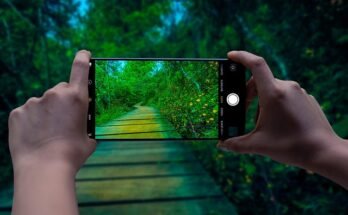
Technology That Feels Effortless
In 2026, one of the most noticeable changes in smartphones is how effortless they feel to use. Users no longer have to think about every step, tap, or action. Everything flows smoothly, almost automatically. This marks the beginning of an era where interaction with technology becomes seamless.
Instead of learning how to use devices, people now expect devices to understand them. The goal is simple: reduce effort and make every interaction feel natural.
From Complex Steps to Simple Actions
In the past, even simple tasks required multiple steps. Opening apps, adjusting settings, or finding information often took time and attention.
Now, smartphones have simplified these processes. Tasks that once needed several actions can now be completed with a single tap or even automatically.
For example:
- Suggested apps appear when needed
- Quick actions are available instantly
- Settings adjust without manual input
This reduction in steps makes the experience faster and more comfortable.
The Role of Intelligent Automation
Automation is at the heart of seamless interaction. Smartphones now handle many routine tasks without asking for input.
They can:
- Organize apps automatically
- Manage notifications intelligently
- Update systems in the background
This means users do not have to manage their devices constantly. The phone takes care of small details, allowing users to focus on what matters.
Predicting User Needs
Another reason interaction feels seamless is prediction. Smartphones learn from user behavior and anticipate actions.
For instance:
- Suggesting navigation before travel
- Opening frequently used apps at certain times
- Offering replies during conversations
These predictions reduce the need for manual input and make the device feel more responsive.
Natural Interaction Through Voice and Touch
Interaction methods have also improved. Voice commands and touch gestures now feel more natural and accurate.
Users can:
- Speak in simple language and be understood
- Use gestures instead of navigating menus
- Interact quickly without confusion
This removes the feeling of using a machine and replaces it with a more human-like experience.
Seamless Connection Between Apps
Apps no longer feel separate. They work together to create a continuous experience.
For example:
- Links open directly in relevant apps
- Information moves smoothly between services
- Tasks continue without interruption
This integration reduces the need to switch between apps manually.
Reducing Cognitive Load
One of the biggest benefits of seamless interaction is reduced mental effort. Users do not have to think about how to use their phones—they simply use them.
Smartphones help by:
- Offering suggestions
- Highlighting important information
- Automating routine actions
This makes daily interactions less stressful and more efficient.

Personalization That Feels Invisible
Personalization plays a major role in seamless interaction. Smartphones adapt to each user without requiring setup.
They adjust:
- Content recommendations
- App layouts
- Notification priorities
This creates a smooth experience where everything feels relevant and familiar.
Performance That Supports Flow
Seamless interaction also depends on performance. Smartphones must respond quickly and run smoothly.
Modern devices ensure:
- Instant app launches
- Smooth transitions
- Reliable multitasking
This creates a sense of flow, where users can move from one task to another without interruption.
Technology That Stays in the Background
One of the key aspects of this era is that technology becomes less noticeable. The best features are the ones that work quietly in the background.
Users do not need to think about how things work. They simply experience the results.
This makes smartphones feel less like devices and more like natural extensions of daily life.
A More Comfortable User Experience
When interaction becomes seamless, the overall experience improves. Users feel more comfortable and confident using their devices.
They spend less time managing technology and more time enjoying it.
This comfort is one of the main goals of modern smartphone design.
The Future of Effortless Interaction
As smartphones continue to evolve, interaction will become even more seamless. Future devices may require almost no input at all.
They may:
- Predict needs instantly
- Adjust in real time
- Handle tasks automatically
The focus will remain on making technology invisible and effortless.
Conclusion
In 2026, we are entering an era of seamless interaction without effort. Smartphones have become easier to use, more intuitive, and more responsive.
Through automation, prediction, and intelligent design, devices now support users without requiring constant attention. This shift has made technology more comfortable and accessible.
As this trend continues, smartphones will become even more integrated into daily life, offering experiences that feel natural, smooth, and completely effortless.