A Turning Point in Mobile Technology
There was a time when smartphones were mainly used for communication. Calling, texting, and basic messaging were their primary purposes. But in 2026, that definition no longer fits. Smartphones have moved far beyond communication tools and have become central to almost every part of daily life.
This shift did not happen in a single moment, but over time. However, by 2026, it became clear that smartphones had taken on a completely new role—one that goes far beyond connecting people.
From Calls and Messages to Complete Control
In the early days, phones were all about staying in touch. Communication was the main goal. But now, smartphones are used for much more.
Today, they help with:
- Managing daily schedules
- Controlling smart home devices
- Handling work tasks
- Accessing information instantly
This expansion of functionality has changed how people depend on their phones. They are no longer just for talking—they are for living.
The Rise of Multi-Purpose Devices
Modern smartphones have become multi-purpose devices. Instead of using separate tools for different tasks, people now rely on a single device.
For example:
- A camera for capturing memories
- A planner for organizing life
- A wallet for digital payments
- A computer for work tasks
This combination of functions makes smartphones essential in everyday life.
A Central Hub for Digital Life
In 2026, the smartphone acts as the center of the digital world. It connects different services, apps, and devices into one place.
Users can:
- Access emails and documents
- Control smart devices at home
- Stay connected with social platforms
- Manage personal and professional tasks
This central role makes the smartphone more important than ever before.
Beyond Communication: A Tool for Productivity
Smartphones are now powerful productivity tools. Many people use them for work-related tasks such as writing, editing, and managing projects.
With the help of apps and cloud services, users can:
- Create and edit documents
- Attend virtual meetings
- Collaborate with others
This means work is no longer limited to offices or computers. It can be done anywhere, anytime.
Entertainment in Your Pocket
Another major role of smartphones is entertainment. They provide access to movies, music, games, and social content.
Instead of using multiple devices, users can enjoy everything on their phones. This makes smartphones a complete entertainment system.
The ability to switch from work to entertainment easily adds to their importance.
Smart Assistance in Daily Life
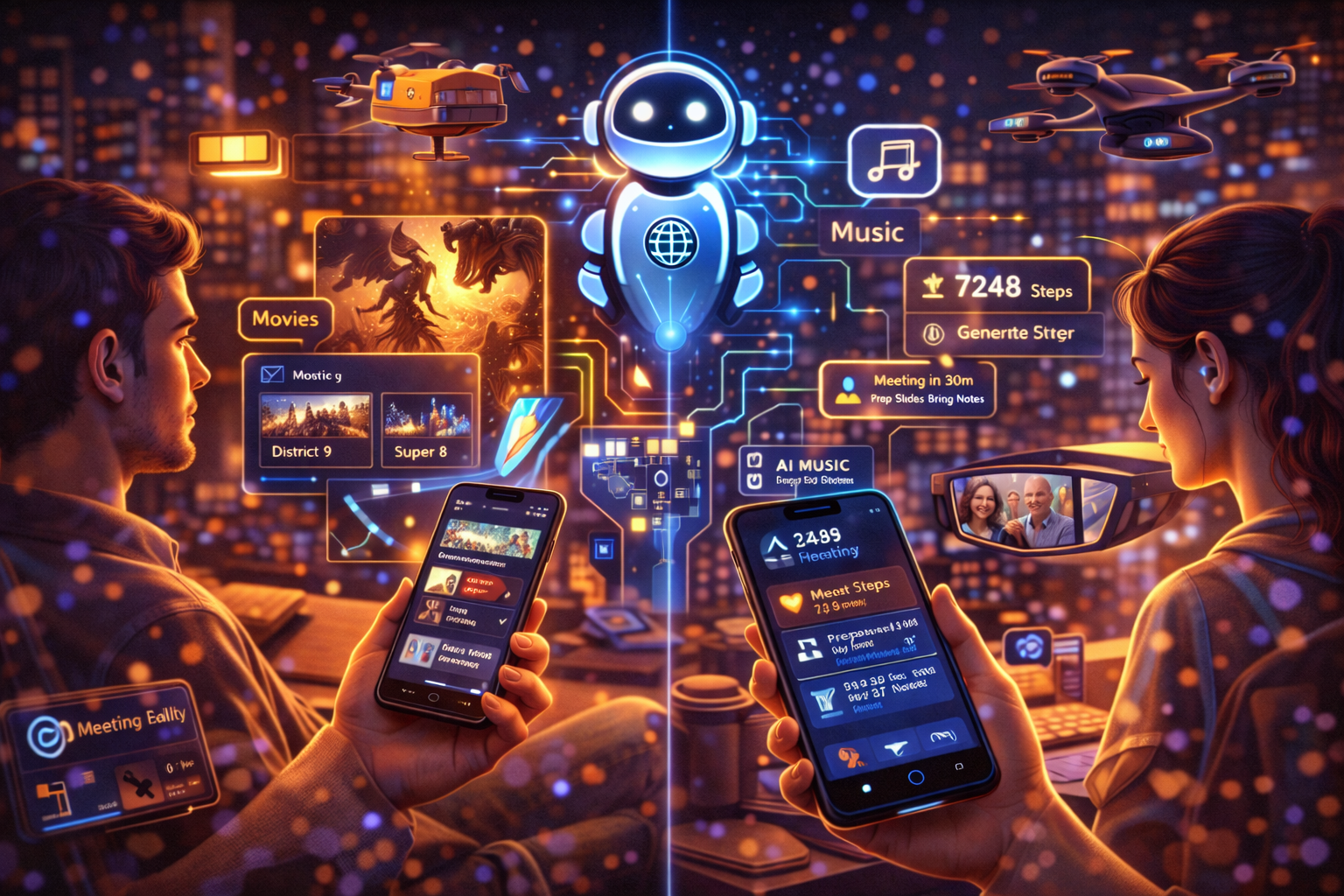
Smartphones now assist users in managing daily activities. They offer reminders, suggestions, and updates based on user behavior.
For example:
- Reminding you about appointments
- Suggesting routes based on traffic
- Offering quick replies to messages
This assistance reduces effort and helps users stay organized.
Integration With Everyday Activities
Smartphones are deeply integrated into everyday routines. From morning alarms to night-time browsing, they are part of almost every moment.
They help with:
- Tracking health and fitness
- Managing finances
- Planning travel
This level of integration shows that smartphones are no longer optional—they are essential.
A Personal Device for Every Need
Because smartphones adapt to users, they feel personal. Each device is shaped by individual habits and preferences.
This personalization makes the phone suitable for many different roles, from assistant to entertainment hub to productivity tool.
No two users have exactly the same experience.
Changing User Expectations
As smartphones have evolved, user expectations have also changed. People now expect their devices to do more than just communicate.
They expect phones to be:
- Fast and reliable
- Smart and helpful
- Easy to use
This has pushed technology to evolve in new directions.
The Impact on Daily Life
The transformation of smartphones has had a major impact on daily life. People rely on their devices for tasks that were once done manually or with separate tools.
This has made life more convenient, but also more dependent on technology.
Looking Ahead
The role of smartphones will continue to grow. Future devices may become even more integrated into daily life, offering deeper support and smarter features.
They may:
- Predict needs more accurately
- Provide real-time assistance
- Connect even more aspects of life
The direction is clear—smartphones will continue to expand their role.
Conclusion
Smartphones in 2026 are no longer just communication tools. They have become powerful, multi-purpose devices that support nearly every aspect of daily life.
From productivity and entertainment to personal organization and smart assistance, their role has expanded far beyond simple communication.
This transformation marks a new era in mobile technology, where smartphones are not just tools, but essential companions in modern living.