Introduction
Transportation has always been an important part of human life. In the past, it was simple—vehicles were just tools to move people and goods from one place to another. Speed, power, and distance were the main priorities.
But in 2026, the identity of transportation is changing. It is no longer just about movement. Modern transportation is now about sustainability, technology, efficiency, and user experience.
Electric vehicles (EVs), smart systems, and new mobility solutions are reshaping how we define transportation. In this article, we will explore how the identity of modern transportation is changing and what this means for the future.
The Traditional Identity of Transportation
Focus on Speed and Power
For many years, transportation was defined by speed and engine power. The faster and stronger a vehicle was, the better it was considered.
People focused on:
- Horsepower
- Engine size
- Top speed
This created a culture where performance was more important than efficiency or environmental impact.
Dependence on Fuel
Traditional transportation relied heavily on fossil fuels like petrol and diesel. Fuel was the backbone of mobility.
This system offered:
- Easy refueling
- Long travel range
- Established infrastructure
However, it also created environmental and economic challenges.
Limited Technological Integration
Older vehicles had limited technology. Driving was mostly manual, and there was little connection with digital systems.
This meant:
- Less automation
- Minimal safety assistance
- No real-time data
Transportation was simple but not very intelligent.
The Shift Toward a New Identity
From Fuel to Energy-Based Mobility
Modern transportation is no longer centered around fuel. It is now based on energy, especially electricity.
Electric vehicles are leading this change by:
- Reducing fuel dependency
- Using clean energy sources
- Improving efficiency
This shift is redefining how vehicles operate.
From Machines to Smart Systems
Vehicles are no longer just machines—they are smart systems. Modern cars are connected, intelligent, and responsive.
They can:
- Communicate with drivers
- Provide real-time updates
- Assist in decision-making
This makes transportation more interactive and efficient.
From Ownership to Mobility Services
Another major change is the shift from ownership to usage. People are now using services like:
- Ride-sharing
- Car rentals
- Subscription-based mobility
This reduces the need to own a vehicle and makes transportation more flexible.
Key Features of Modern Transportation
Sustainability at the Core
Sustainability is now a central part of transportation. Modern systems aim to reduce environmental impact.
This includes:
- Zero-emission vehicles
- Renewable energy integration
- Eco-friendly manufacturing
Transportation is becoming more responsible.
Smart Technology Integration
Technology is deeply integrated into modern transportation. Vehicles now include:
- AI-based systems
- GPS and navigation tools
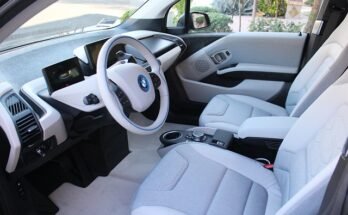
- Digital dashboards
- Connectivity with mobile devices
This improves safety, convenience, and efficiency.
User-Centered Design
Modern transportation focuses on the user experience. Vehicles are designed to be:
- Comfortable
- Easy to use
- Technologically advanced
This shift puts the user at the center of innovation.
Impact on Daily Life
Simplified Travel Experience
Travel is becoming easier and more convenient. Electric vehicles and smart systems reduce the complexity of driving.
Drivers can:
- Plan routes easily
- Monitor vehicle performance
- Use automation features
Cleaner Living Environments
With electric mobility, cities are becoming cleaner. Air pollution and noise levels are decreasing.
This improves:
- Public health
- Urban living conditions
- Environmental quality
More Flexible Mobility Options
People now have more choices in how they travel. They can switch between:
- Personal vehicles
- Public transport
- Shared mobility services
This flexibility makes transportation more accessible.
Economic and Industrial Changes
Transformation of the Automotive Industry
Car manufacturers are adapting to new demands. They are investing in:
- Electric vehicle production
- Battery technology
- Software development
This is changing how vehicles are designed and built.
Growth of New Industries
The new identity of transportation is creating new opportunities, such as:
- Charging infrastructure development
- Renewable energy integration
- Mobility service platforms
This supports economic growth and innovation.
Changing Job Market
As transportation evolves, new jobs are being created in technology, energy, and mobility services.
At the same time, traditional roles related to fuel-based systems are decreasing.
Challenges in Redefining Transportation
Infrastructure Development
Modern transportation requires new infrastructure, including:
- Charging stations
- Smart roads
- Digital networks
Building this infrastructure takes time and investment.
Cost Barriers
Electric vehicles and advanced technologies can be expensive. This can slow adoption in some regions.
Adaptation to New Systems
People need to adjust to new technologies and systems. This includes learning how to use EVs, apps, and smart features.
The Role of Smart Cities
Integration with Urban Systems
Modern transportation is closely linked with smart cities. Vehicles are connected to:
- Traffic management systems
- Energy grids
- Public transport networks
This creates a more efficient and organized system.
Data-Driven Mobility
Data plays a key role in modern transportation. It helps in:
- Reducing traffic congestion
- Improving route planning
- Enhancing safety
This makes transportation more intelligent.
The Future of Transportation Identity
Fully Electric Mobility
The future points toward fully electric transportation. Fuel-powered vehicles will gradually disappear.
Autonomous Vehicles
Self-driving cars will redefine transportation further. They will:
- Reduce human error
- Improve efficiency
- Increase safety
Connected Mobility Ecosystems
Transportation will become part of a connected ecosystem where everything works together seamlessly.
Conclusion
The identity of modern transportation is changing in powerful ways. It is no longer just about moving from one place to another—it is about doing so in a smarter, cleaner, and more efficient way.
Electric mobility, smart technology, and sustainable practices are shaping this new identity. While challenges remain, the direction is clear.
In 2026, transportation is evolving into something much bigger than before. It is becoming a system that connects people, technology, and the environment in a balanced and intelligent way.