Introduction
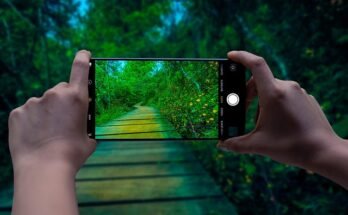
Smartphones are now a major part of our daily lives. We use them for communication, work, entertainment, shopping, and many small tasks. They have made life fast and convenient. But at the same time, people are starting to wonder if smartphones are the final step in technology or just a phase before something better arrives.
How Smartphones Took Over
Smartphones became popular because they replaced many devices. A single phone can act as a camera, computer, GPS, and communication tool. With apps, people can do almost everything from one place. This all-in-one convenience is the main reason smartphones became so important in modern life.
Problems With Smartphones
Despite their benefits, smartphones also bring several issues. People spend too much time on screens, which affects their health and focus. Constant notifications interrupt daily life and reduce productivity. Many users feel dependent on their phones, and privacy concerns are increasing due to data collection by apps. These problems are making people rethink their relationship with smartphones.
What Life After Smartphones Means
Life after smartphones does not mean technology will disappear. It means technology will become less visible and easier to use. Instead of holding a device all the time, people will interact with technology in a more natural way. The focus will shift from screens to seamless experiences.
The Rise of Wearable Technology
Wearable devices are one of the biggest alternatives to smartphones. Smartwatches already allow users to check messages, track health, and receive notifications. In the future, devices like smart glasses and smart rings could handle even more tasks. These devices reduce the need to constantly look at a phone.
Voice-Based Interaction
Voice technology is improving quickly. Instead of typing or tapping, people can simply speak to their devices. Voice assistants can send messages, search information, and control systems. This makes interaction faster and removes the need for constant screen use.
The Role of Artificial Intelligence
Artificial Intelligence will play a key role in the future. AI can understand user behavior and make smart suggestions. It can manage schedules, give reminders, and even make decisions based on habits. This reduces effort and makes technology more helpful.
Augmented Reality and Smart Environments
Augmented Reality allows digital information to appear in the real world. Instead of checking a phone, users can see directions, updates, or details directly around them. Smart environments will also play a role, where homes and cities respond automatically to user needs.
Benefits of Moving Beyond Smartphones
Moving beyond smartphones can create a better balance between digital and real life. People will spend less time looking at screens and more time engaging with their surroundings. Technology will work in the background instead of demanding attention.
Challenges in This Transition
This shift will not be easy. New technologies may be expensive at first. Privacy concerns will still exist, and people may take time to adjust. Smartphones are deeply integrated into daily life, so replacing them will be a gradual process.
Will Smartphones Disappear?
Smartphones will not disappear suddenly. They will continue to exist alongside new technologies. Over time, as alternatives improve, their importance will decrease. This change will happen slowly rather than all at once.
The Shift Toward Better Experience
Modern users are focusing more on experience than features. People prefer simple, clean, and easy-to-use technology. This shows a shift from complex specifications to smooth and meaningful usage.
Conclusion
There is definitely life after smartphones, but it will not happen overnight. The future of technology will be more natural, less distracting, and more focused on human needs. Smartphones changed the world, but they are not the final step. The next phase will bring smarter, simpler, and more seamless ways to stay connected.