
Related Articles

When I first decided to switch from a gasoline car to an electric vehicle, one of the biggest questions on my mind was maintenance cost. I had read plenty of articles online claiming electric cars were dramatically cheaper to maintain, but honestly, a lot of that content felt vague or overly promotional, without any real numbers or personal experience behind it. So I decided to track everything myself, every expense, every service visit, every small surprise cost, so I could eventually share an honest breakdown based on actual ownership rather than marketing claims.
This article is exactly that breakdown. I want to walk you through what electric car maintenance cost has genuinely looked like for me, comparing it to what I remember spending on my previous gasoline vehicle, and sharing the lessons I picked up along the way that I wish someone had told me before I made the switch.
Why I Was Skeptical About the Low Maintenance Claims at First
Before buying my electric car, I remember reading claim after claim about how electric vehicles supposedly required almost no maintenance compared to traditional cars. Part of me believed it made sense, since electric motors have far fewer moving parts than a gasoline engine, but another part of me remained skeptical, wondering if these claims were oversimplified or based on ideal conditions rather than real world ownership.
After actually living with an electric vehicle for a significant stretch of time now, I can say with confidence that the core idea behind these claims holds up, but the full picture is a little more nuanced than most articles let on. There are genuine savings, but there are also specific costs that deserve honest attention rather than being glossed over.
Understanding Why Electric Cars Cost Less to Maintain in the First Place
Before diving into actual numbers, I think it helps to understand why electric vehicles generally cost less to maintain compared to gasoline cars. Traditional combustion engines rely on a huge number of moving parts, including timing belts, spark plugs, fuel injectors, exhaust systems, and complex transmissions, all of which require regular maintenance and eventually wear out.
Electric vehicles, on the other hand, use a much simpler drivetrain. There is no traditional engine, no oil to change, no exhaust system, and significantly fewer components that experience the kind of mechanical wear associated with gasoline engines. This fundamental difference is the main reason electric vehicles tend to require less frequent and less expensive maintenance overall.
What I No Longer Have to Pay For
One of the most noticeable changes since switching to an electric vehicle has been the list of expenses that simply disappeared from my regular maintenance routine.
I no longer pay for oil changes, which used to be one of my most frequent and mildly annoying recurring expenses with my previous car. There is no engine oil in an electric vehicle, which eliminates this cost entirely.
I also no longer worry about spark plug replacements, fuel filter changes, or exhaust system repairs, since none of these components exist in an electric drivetrain. Transmission related maintenance has also become far less of a concern, since most electric vehicles use a much simpler single speed transmission compared to the complex multi gear systems found in gasoline cars.
Looking back at my previous vehicle’s maintenance records, these categories alone accounted for a significant portion of my annual maintenance spending, so eliminating them entirely has made a real, noticeable difference in my overall costs.
What I Still Pay For Regularly
While a lot of traditional maintenance costs have disappeared, electric vehicles still require some regular upkeep, and I think it is important to be transparent about this rather than pretending maintenance costs drop to zero.
Tire maintenance remains a genuine expense, and in my experience, tires on electric vehicles can wear slightly faster than on comparable gasoline cars. This happens partly because electric vehicles tend to be heavier due to battery weight, and partly because the instant torque delivery can lead to quicker tire wear if you frequently accelerate hard. I have found myself rotating and replacing tires a bit more often than I did with my previous car, which is a cost worth planning for.
Brake maintenance, interestingly, has actually become less frequent for me since switching to an electric vehicle. Most electric cars use regenerative braking, which slows the vehicle using the electric motor rather than relying entirely on traditional friction brakes. This means my brake pads and rotors experience significantly less wear over time, extending the interval between necessary brake service compared to my old gasoline car.
Cabin air filters, windshield wiper replacements, and general fluid top offs, such as windshield washer fluid and coolant for the battery cooling system, remain part of my regular maintenance routine, similar to what I experienced with my previous vehicle.
Battery Health and Longevity: The Cost I Was Most Curious About
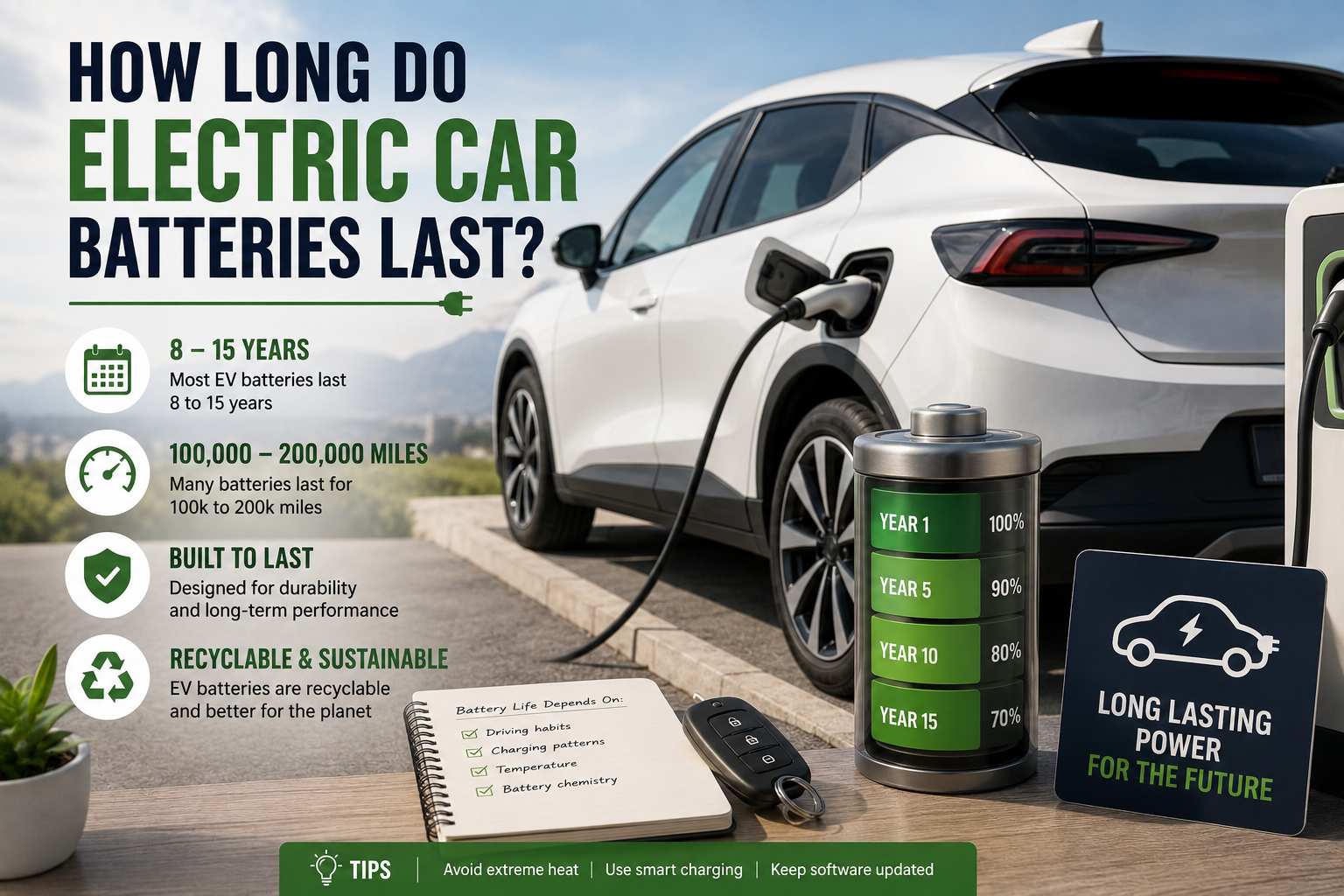
If there is one cost category that genuinely worried me before buying an electric vehicle, it was the battery. I had read plenty of concerning stories about expensive battery replacements, and I wanted to understand this risk clearly before committing to the switch.
Based on my own research and experience so far, modern electric vehicle batteries are generally built to last well beyond the length of a typical ownership period, often backed by lengthy manufacturer warranties covering a significant number of years or a substantial mileage threshold. During my ownership so far, I have not experienced any significant battery degradation requiring repair or replacement, and the battery has continued to perform reliably.
That said, I think it is honest to acknowledge that battery replacement, if it were ever needed outside of warranty coverage, would represent a significant expense. This is a genuine consideration for anyone planning to keep their electric vehicle for a very long time or purchasing a used electric vehicle with an expired battery warranty. I would strongly recommend anyone in that situation research the specific battery warranty terms of whichever vehicle they are considering before purchasing.
Software Updates and Technology Related Costs
One aspect of electric vehicle ownership that surprised me, in a good way, has been how much maintenance now happens through software updates rather than physical shop visits. Many electric vehicles receive over the air software updates that can improve performance, fix minor issues, and even add new features without requiring a trip to a service center at all.
This has genuinely reduced the number of times I have needed to visit a service center compared to my previous gasoline vehicle, where certain issues required an in person diagnostic appointment that an electric vehicle might resolve through a simple software update instead.
Comparing My Actual Annual Maintenance Costs
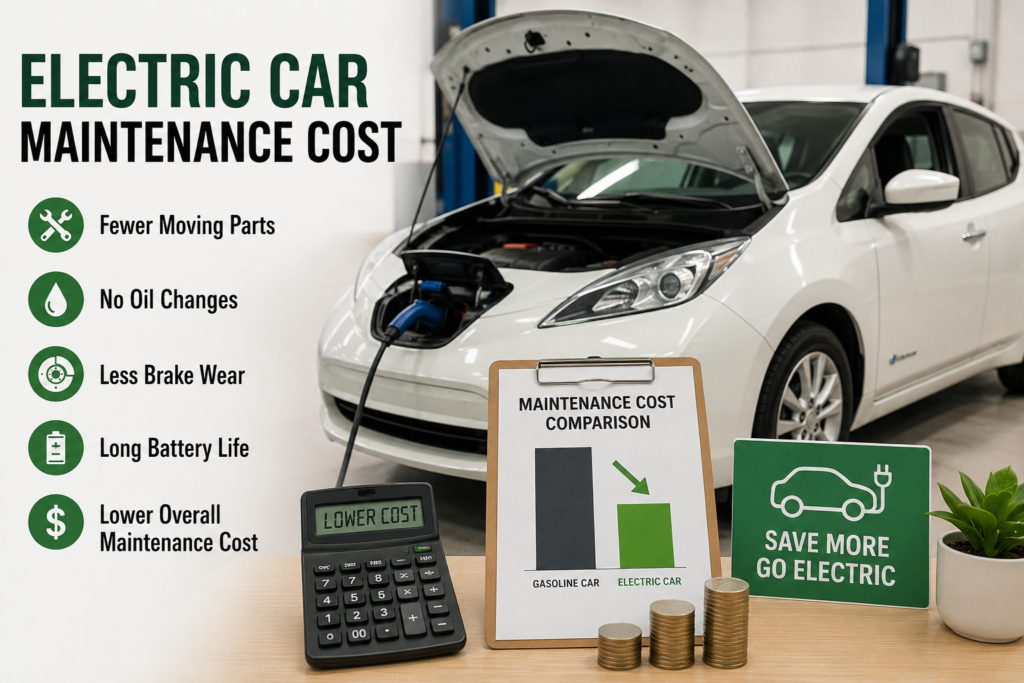
Based on my own tracked expenses, my annual maintenance costs for my electric vehicle have come in noticeably lower compared to what I used to spend on my previous gasoline car. Eliminating oil changes alone accounted for a meaningful chunk of that difference, and the reduced frequency of brake service added further savings on top of that.
The primary costs I continue to budget for include tire replacement, occasional cabin air filter changes, windshield wiper replacements, and general inspections to ensure everything remains in good working order. Compared to my previous vehicle’s maintenance history, which included regular oil changes, more frequent brake service, and occasional exhaust or engine related repairs, the overall difference in annual spending has been substantial and genuinely noticeable.
Insurance and Its Relationship to Maintenance Costs
While insurance is not technically a maintenance cost in the traditional sense, I think it is worth mentioning here since it ties closely into the overall cost of ownership. In my experience, electric vehicle insurance premiums can sometimes run slightly higher than comparable gasoline vehicles, partly due to the higher cost of replacement parts and specialized repair expertise required for certain repairs.
This is not directly a maintenance expense, but it is worth factoring into your overall understanding of what owning an electric vehicle costs on a yearly basis, alongside the maintenance savings discussed throughout this article.
Charging Related Maintenance Considerations
Beyond the vehicle itself, I also want to mention charging equipment, since this became part of my overall maintenance considerations after switching to an electric vehicle. If you install a home charging station, there is an upfront cost involved, along with occasional maintenance to ensure the equipment continues functioning properly.
In my experience, home charging equipment has required minimal ongoing maintenance so far, but it is still worth factoring into your overall cost planning, especially if you rely primarily on home charging rather than public charging stations.
Unexpected Costs I Encountered Along the Way
I want to be honest and mention a few unexpected costs that came up during my ownership experience, since I think transparency matters more than presenting an overly simplified picture.
At one point, I needed to replace a cracked windshield, which is obviously not specific to electric vehicles but still worth mentioning as part of my overall ownership costs. I also experienced a minor software glitch early on that required a service center visit to resolve, though this was covered under warranty and did not result in an out of pocket expense.
These experiences reminded me that while electric vehicles genuinely reduce many traditional maintenance costs, they are not entirely free from occasional unexpected expenses, just like any vehicle.
How Maintenance Costs Compare Over the Long Term
Looking at my overall experience so far, I genuinely believe electric vehicles offer meaningful long term savings when it comes to maintenance, even accounting for the specific costs that remain, like tire replacement and potential long term battery considerations.
The elimination of oil changes, reduced brake wear thanks to regenerative braking, and the absence of complex engine related repairs all contribute to a noticeably lower overall maintenance burden compared to my previous gasoline vehicle. I think anyone considering the switch should feel confident that the widely discussed maintenance savings are genuinely real, based on my own tracked experience, even if the full picture requires a bit more nuance than a simple headline claim.
Tips I Would Give Based on My Own Experience
If you are considering switching to an electric vehicle and want to manage your maintenance costs effectively, there are a few lessons I picked up along the way that I think are worth sharing.
Research the specific battery warranty terms of any electric vehicle you are considering, since this varies between manufacturers and can significantly affect your long term cost planning. Budget realistically for tire replacement, since this remains one of the more consistent ongoing costs of electric vehicle ownership.
Take advantage of over the air software updates whenever possible, since these can resolve minor issues without requiring an in person service visit. Finally, keep a simple record of your own maintenance expenses from the very beginning of ownership, since this makes it much easier to track patterns and plan realistically for future costs.
Final Thoughts From My Own Ownership Experience
Reflecting on everything I have spent since switching to an electric vehicle, I can honestly say the maintenance savings have been real and noticeable, even if they are not quite as dramatic or simplified as some marketing claims might suggest. Eliminating oil changes, reducing brake wear through regenerative braking, and avoiding complex engine repairs have all contributed to a genuinely lower overall maintenance cost compared to my previous gasoline vehicle.
At the same time, costs like tire replacement, potential long term battery considerations, and occasional unexpected expenses remain part of the overall picture, and I think being transparent about these details creates a much more useful, trustworthy resource than simply repeating the idea that electric vehicles require no maintenance at all.
If you are considering making the switch yourself and wondering what electric car maintenance cost genuinely looks like in real world ownership, I hope sharing my own tracked experience gives you a clearer, more honest picture to base your decision on.