Introduction
City life has always been fast, crowded, and noisy. The constant sound of engines, traffic, and horns has been a normal part of urban living for decades. For many people, noise was something they had learned to live with.
But in 2026, cities are starting to change. With the rise of electric vehicles (EVs) and modern transport systems, commuting is becoming quieter. This shift is not only improving daily travel but also changing how cities are designed and experienced.
Cities are now adapting to this quieter commute in many ways. In this article, we will explore how urban areas are evolving and what this means for the future of city life.
The Noise Problem in Traditional Cities
Why Cities Were So Loud
Traditional transportation systems relied on fuel-powered vehicles. These vehicles created noise due to:
- Engine combustion
- Exhaust systems
- Traffic congestion
- Frequent honking
In busy cities, thousands of vehicles produced continuous noise throughout the day.
Effects of Noise Pollution
Noise pollution has a serious impact on people’s lives. It can lead to:
- Stress and anxiety
- Poor sleep quality
- Reduced concentration
- Health problems over time
For people living near roads, noise has always been a major concern.
The Shift Toward Quieter Commutes
Rise of Electric Vehicles
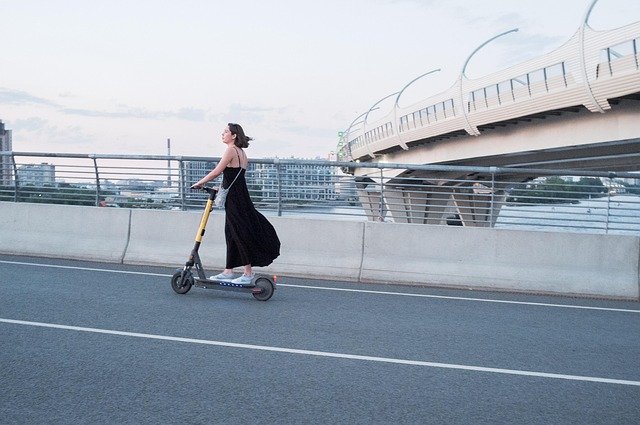
Electric vehicles are the main reason behind quieter commutes. Unlike traditional cars, EVs use electric motors, which produce very little noise.
As more EVs enter the roads:
- Traffic becomes quieter
- Urban noise levels decrease
- Commuting becomes more comfortable
Electric Public Transport
Cities are also introducing electric buses, trams, and trains. These systems operate quietly compared to traditional transport.
This improves the commuting experience for:
- Daily passengers
- Residents living near transport routes
- Pedestrians
How Cities Are Adapting to Less Noise
Redesigning Urban Spaces
With reduced noise, cities are rethinking their design. Urban planners are creating spaces that are more people-friendly.
Examples include:
- Outdoor seating areas near roads
- Cafes and restaurants with open spaces
- Parks and green zones in busy areas
Quieter environments make these spaces more enjoyable.
Encouraging Walking and Cycling
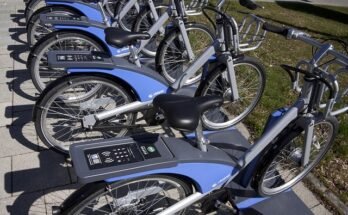
As cities become quieter, walking and cycling are becoming more attractive options.
People are more likely to:
- Walk to nearby places
- Use bicycles for short trips
- Spend time outdoors
This reduces traffic congestion and promotes healthier lifestyles.
Creating Pedestrian-Friendly Zones
Many cities are developing pedestrian-only areas where vehicles are limited or restricted.
These zones offer:
- Safer walking environments
- Reduced noise and pollution
- Better social interaction
Improving Quality of Life
Better Mental Well-Being
Quieter commutes have a positive impact on mental health. People feel less stressed and more relaxed during their daily travel.
Improved Sleep and Rest
Reduced traffic noise helps people sleep better, especially in residential areas close to roads.
Enhanced Community Experience
With less noise, communities become more connected. People can communicate easily and enjoy shared spaces.
Integration with Smart City Technologies
Smart Traffic Management
Cities are using technology to manage traffic more efficiently. Smart systems can:
- Reduce congestion
- Control traffic flow
- Minimize unnecessary noise
Noise Monitoring Systems
Some cities are using sensors to monitor noise levels. This helps in:
- Identifying noisy areas
- Planning better urban solutions
- Maintaining a peaceful environment
Connected Transportation Systems
Electric vehicles and smart infrastructure work together to create a seamless commuting experience.
Economic and Social Benefits
Growth of Local Businesses
Quieter streets attract more people to outdoor spaces. This benefits:
- Cafes
- Restaurants
- Retail shops
Businesses can create more welcoming environments.
Increased Property Value
Areas with less noise pollution are more desirable. This can increase property values in quieter neighborhoods.
Health Cost Reduction
Better air quality and lower noise levels lead to fewer health issues, reducing healthcare costs.
Challenges in Adapting to Quiet Commutes
Safety Concerns
Silent vehicles can be harder to detect, especially for pedestrians. Cities need to ensure safety through:
- Awareness campaigns
- Artificial vehicle sounds
- Improved road design
Infrastructure Changes
Adapting cities to quieter transport requires investment in:
- Charging stations
- Smart systems
- Urban redesign
Public Awareness
People need to adjust to quieter environments and adopt new habits, such as being more visually aware of traffic.
The Role of Policy and Planning
Government Initiatives
Governments are supporting quieter commutes through:
- EV incentives
- Urban planning policies
- Investment in public transport
Long-Term Urban Development
Cities are planning for a future where electric mobility is the norm. This includes:
- Sustainable infrastructure
- Energy-efficient systems
- Smart city integration
The Future of Quiet Cities
Fully Electric Urban Transport
In the future, cities aim to have fully electric transportation systems. This will further reduce noise and pollution.
Balanced Urban Environments
Cities will focus on creating a balance between mobility and quality of life. Quiet transport will play a key role in this.
A New Urban Experience
Future cities will feel different—calmer, cleaner, and more comfortable. Commuting will no longer be stressful but more enjoyable.
Conclusion
Cities are adapting to a quieter commute in ways that go beyond transportation. Electric mobility is transforming urban life, making it more peaceful and sustainable.
From redesigned public spaces to smarter traffic systems, cities are evolving to match this new reality. While challenges exist, the benefits are clear.
In 2026, quieter commutes are not just improving how we travel—they are improving how we live. The future of cities is not only smart and efficient but also calm and comfortable.