Introduction
In the past, vehicles were simple machines used for transportation. They consumed fuel, moved from one place to another, and that was it. There was no connection between vehicles and the larger energy system.
But in 2026, this idea has completely changed. Vehicles are no longer just transportation tools—they are now part of a bigger energy ecosystem. Electric vehicles (EVs) are connected to power grids, renewable energy sources, and smart systems.
This transformation is changing how we think about energy and mobility. In this article, we will explore when and how vehicles became part of the energy ecosystem and why this shift is so important.
Understanding the Traditional Role of Vehicles
Vehicles as Energy Consumers Only
For decades, vehicles were only consumers of energy. They depended on petrol or diesel to function.
This system had clear characteristics:
- Fuel was burned to produce energy
- Vehicles had no connection to energy networks
- Energy flow was one-directional (fuel → vehicle)
There was no concept of vehicles contributing back to the energy system.
Limitations of the Old System
This traditional model had several limitations:
- Heavy dependence on fossil fuels
- High levels of pollution
- No energy efficiency integration
- Lack of sustainability
These issues pushed the need for a better and smarter system.
The Shift Toward Electrification
Introduction of Electric Vehicles
The journey began with electric vehicles. EVs replaced fuel engines with battery-powered systems.
This simple change created new possibilities:
- Vehicles could store energy
- Energy could be managed digitally
- Charging could be controlled and optimized
This was the first step toward integrating vehicles into the energy ecosystem.
Connection to the Power Grid
Electric vehicles are connected to the electricity grid through charging systems. This connection allows:
- Controlled energy usage
- Smart charging during low-demand hours
- Integration with renewable energy sources
Vehicles are no longer isolated—they are part of a larger network.
Vehicles as Energy Storage Systems
Battery Technology as a Game Changer
Modern EVs come with powerful batteries that can store large amounts of energy. These batteries are not just for driving—they can also serve as energy storage units.
This means:
- Energy can be stored when supply is high
- Energy can be used when demand is high
This flexibility is important for managing energy efficiently.
Vehicle-to-Grid (V2G) Technology
One of the most important developments is Vehicle-to-Grid (V2G) technology. This allows electric vehicles to send energy back to the power grid.
With V2G:
- Vehicles can support the grid during peak demand
- Excess energy can be shared
- Energy systems become more stable
This turns vehicles into active participants in the energy ecosystem.
Integration with Renewable Energy
Charging with Clean Energy
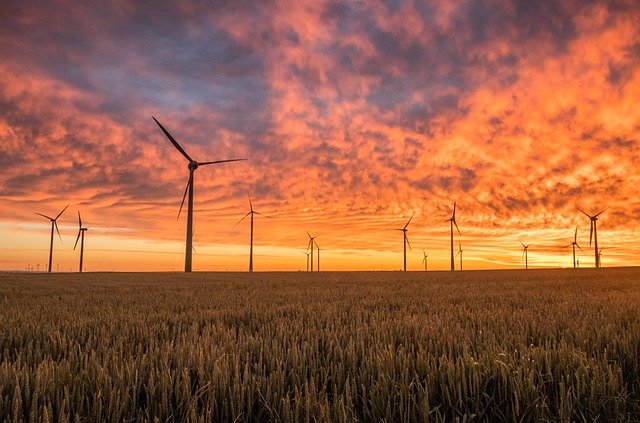
Electric vehicles can be charged using renewable energy sources like:
- Solar power
- Wind energy
- Hydropower
This creates a clean cycle where:
Energy → Vehicle → Movement (without pollution)
Reducing Dependence on Fossil Fuels
As EVs connect with renewable energy, the need for fossil fuels decreases. This supports global efforts to reduce carbon emissions.
The result is:
- Cleaner energy systems
- Sustainable transportation
- Reduced environmental impact
Smart Energy Management
Intelligent Charging Systems
Modern charging systems are smart. They can:
- Schedule charging during off-peak hours
- Adjust power usage based on demand
- Optimize energy consumption
This helps balance the load on the power grid.
Digital Connectivity
Electric vehicles are connected to digital platforms that allow real-time monitoring and control.
Drivers can:
- Track energy usage
- Monitor battery levels
- Plan charging schedules
This creates a more efficient and informed system.
Impact on Cities and Infrastructure
Development of Smart Grids
To support electric mobility, cities are developing smart grids. These grids can:
- Manage energy flow efficiently
- Integrate renewable sources
- Support two-way energy exchange
Smart grids are essential for the energy ecosystem.
Expansion of Charging Networks
Charging infrastructure is growing rapidly. Charging stations are becoming part of urban planning.
They are now found in:
- Residential areas
- Commercial buildings
- Highways
This makes energy access easier and more convenient.
Energy-Aware Urban Design
Cities are being designed with energy efficiency in mind. Electric mobility is integrated into urban systems, creating a connected ecosystem.
Benefits of Vehicles in the Energy Ecosystem
Improved Energy Efficiency
By integrating vehicles into the energy system, overall efficiency improves. Energy is used more effectively and waste is reduced.
Lower Energy Costs
Smart charging and energy sharing can reduce costs for users. People can take advantage of lower electricity rates and even earn by supplying energy back to the grid.
Environmental Sustainability
This system supports a cleaner environment by reducing emissions and promoting renewable energy use.
Challenges and Considerations
Infrastructure Requirements
Building a connected energy ecosystem requires strong infrastructure, including:
- Advanced power grids
- Charging networks
- Digital systems
Battery Limitations
Battery performance and lifespan are still important concerns. Continuous research is needed to improve battery technology.
Energy Demand Management
As more vehicles become electric, managing electricity demand becomes critical. Efficient systems are required to avoid overload.
The Future of Energy-Integrated Mobility
Fully Connected Energy Systems
In the future, vehicles, homes, and energy systems will be fully connected. This will create a seamless energy network.
Autonomous and Smart Vehicles
Electric vehicles will become smarter and more autonomous. They will make decisions about charging and energy usage automatically.
A Sustainable Energy Cycle
The goal is to create a system where energy is:
- Cleanly produced
- Efficiently stored
- Smartly used
Vehicles will play a central role in this cycle.
Conclusion
The moment vehicles became part of the energy ecosystem marked a major shift in transportation and energy systems. Electric vehicles are no longer just tools for movement—they are active participants in managing and distributing energy.
This transformation is making transportation more efficient, sustainable, and intelligent. While challenges remain, the progress is clear.
In 2026, vehicles are not just moving us—they are powering a smarter and cleaner future.