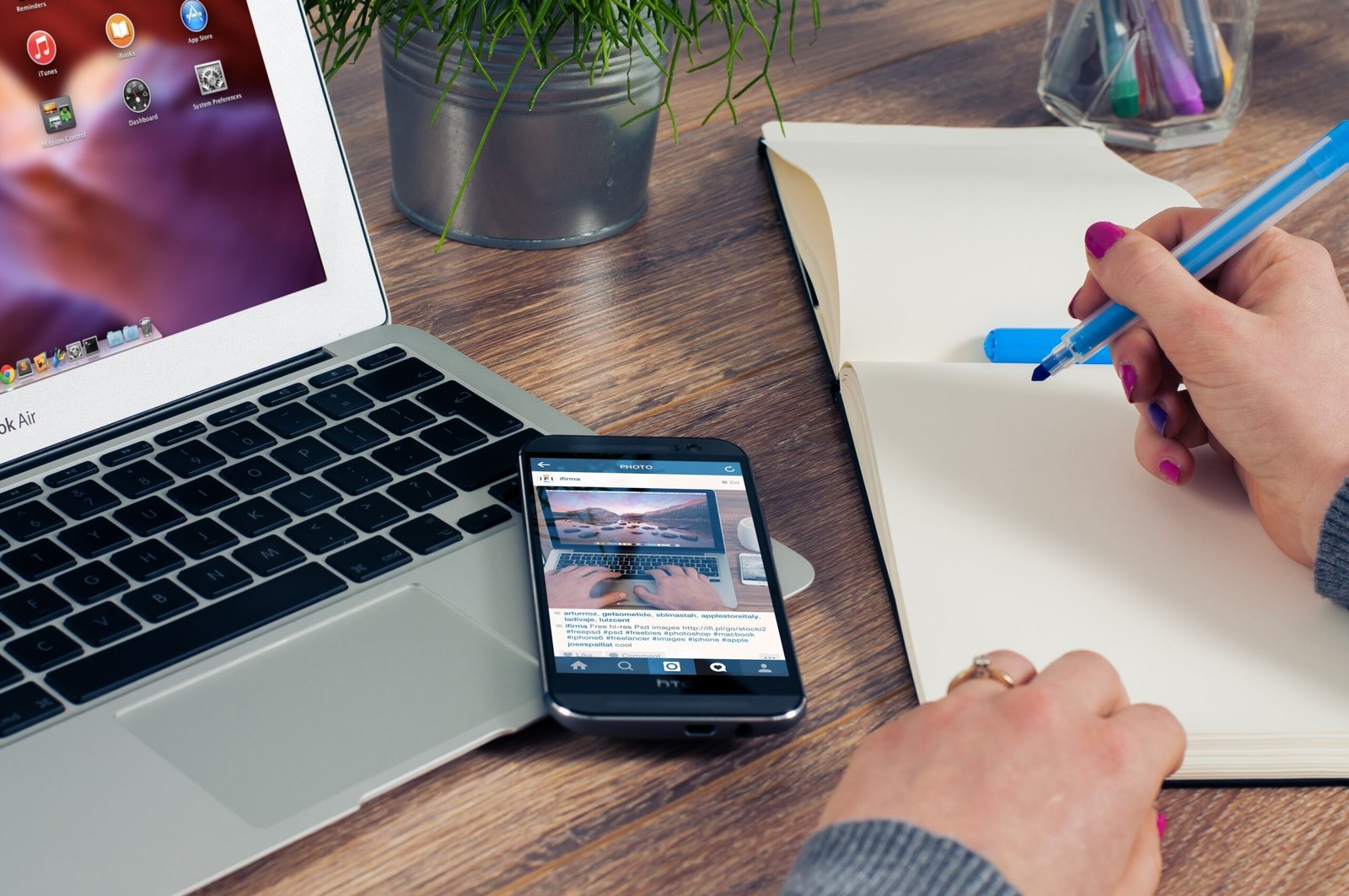
A Device That Connects Everything
In 2026, smartphones have become more than just personal gadgets. They now act as the center of digital life. Almost everything people do—work, communication, entertainment, shopping, and even health tracking—connects back to their phone.
This transformation did not happen suddenly. Over time, smartphones absorbed the roles of many other devices and services. Today, instead of using multiple tools, people rely on one central device that brings everything together.
From Multiple Devices to One Hub
In the past, people needed different devices for different tasks. A computer for work, a camera for photos, a music player for entertainment, and even a physical planner for schedules.
Now, smartphones handle all of these roles in one place. They combine:
- Communication tools
- Productivity apps
- Entertainment platforms
- Personal organization systems
This shift has made smartphones the most important digital device in everyday life.
Communication at the Core
At the heart of digital life is communication, and smartphones still play a major role here. But communication has evolved beyond calls and texts.
Today, smartphones allow users to:
- Send instant messages
- Join video calls
- Stay active on social platforms
Communication is faster, more flexible, and always available. This keeps people connected no matter where they are.
Work and Productivity Anywhere
Smartphones are now powerful enough to handle many work tasks. People no longer need to sit at a desk to be productive.
They can:
- Check emails and manage tasks
- Edit documents and presentations
- Attend online meetings
With cloud access, everything stays synced across devices. This makes the smartphone a portable office that fits in your pocket.
Entertainment Without Limits
Entertainment is another major part of digital life, and smartphones are at the center of it. Users can access movies, music, games, and social content instantly.
Instead of switching between devices, everything is available in one place. This makes entertainment more convenient and accessible.
The ability to move from work to entertainment easily adds to the importance of smartphones.
Managing Daily Life
Smartphones also help manage everyday life. They act as digital assistants that keep everything organized.
They can:
- Set reminders for important tasks
- Track schedules and events
- Provide updates and alerts
This reduces the need to remember everything manually and helps users stay on track.
Financial Control in Your Hands
Another key role of smartphones is managing finances. Digital payments and banking services have made phones an important financial tool.
Users can:
- Make secure payments
- Check account balances
- Track expenses
This turns the smartphone into a digital wallet that is always available.
Health and Lifestyle Tracking
In 2026, smartphones are also connected to health and lifestyle. They monitor activity, track sleep, and encourage better habits.
They can:
- Count steps and physical activity
- Monitor daily routines
- Suggest healthier choices
This makes the phone an important part of maintaining a balanced lifestyle.
Smart Home and Device Control
Smartphones now control more than just apps—they connect with other devices. From lights to security systems, users can manage their environment directly from their phone.
This includes:
- Adjusting home settings
- Monitoring security
- Controlling connected devices
The phone becomes a central control unit for modern living.
Personalization Makes It Central
One of the reasons smartphones are at the center of digital life is personalization. Each device adapts to its user, creating a unique experience.
It learns:
- Preferences and habits
- Frequently used apps
- Daily routines
This makes the phone feel more relevant and important to each individual.
Always Connected, Always Ready
Smartphones are always connected to the internet, which allows instant access to information and services.
Whether it is checking updates, finding directions, or making decisions, everything is just a few taps away.
This constant availability is what makes smartphones central to digital life.
Reducing Complexity in Daily Tasks
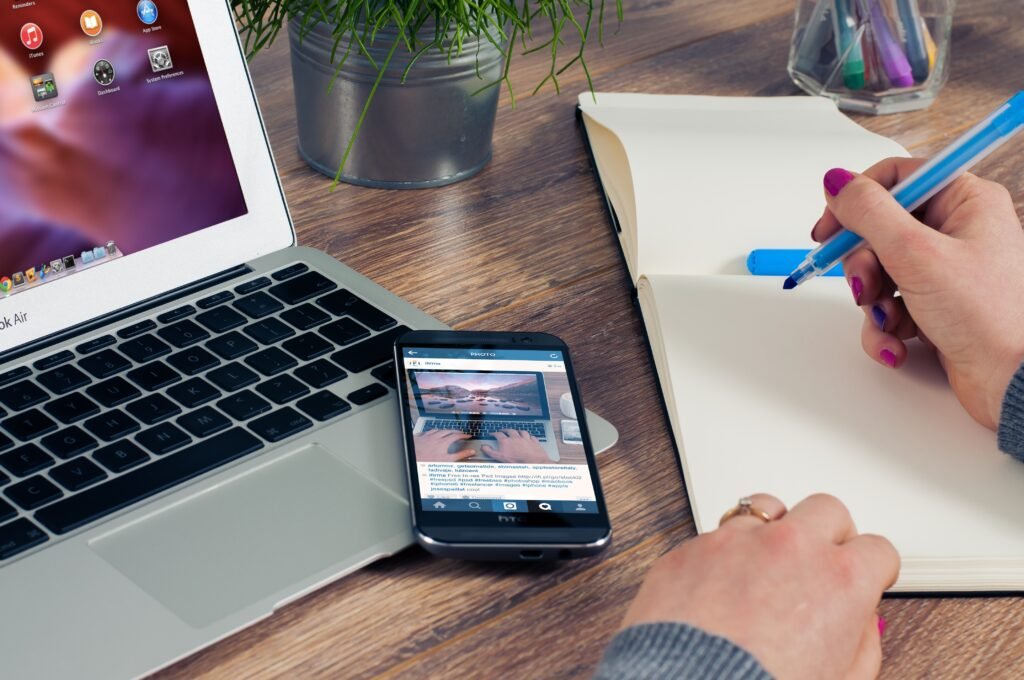
By bringing everything into one device, smartphones reduce complexity. Users do not need to switch between multiple tools or remember different systems.
Everything is:
- Organized in one place
- Easy to access
- Simple to manage
This makes life more efficient and less stressful.
The Future of Centralized Digital Life
As technology continues to evolve, smartphones will become even more central. They may connect more services, offer smarter automation, and provide deeper integration into daily life.
Future devices could:
- Predict needs more accurately
- Handle tasks automatically
- Connect even more aspects of life
The smartphone will remain the core of digital interaction.
Conclusion
In 2026, smartphones have become the center of digital life. They connect communication, work, entertainment, health, and daily management into one powerful device.
This transformation has simplified how people live and interact with technology. Instead of using many tools, everything is now available in one place.
As smartphones continue to evolve, their role will only grow stronger, making them the most important device in the modern digital world.