Introduction
Urban travel has always been a challenge. Cities are crowded, traffic is heavy, and pollution has been a constant problem for years. People spend hours commuting, breathing polluted air, and dealing with noise on busy roads.
But in 2026, urban travel is going through a major transformation. Electrification is changing how people move within cities. Electric vehicles (EVs), electric buses, and smart mobility systems are making travel cleaner, quieter, and more efficient.
This transformation is not sudden—it is happening step by step. In this article, we will explore how electrification is reshaping urban travel and why it matters for modern cities.
The Problems with Traditional Urban Travel
Traffic Congestion and Delays
Cities have always struggled with traffic. As the number of vehicles increased, roads became more crowded.
This leads to:
- Long travel times
- Increased stress
- Reduced productivity
Traditional fuel-based vehicles added to the problem without offering efficient solutions.
Air Pollution in Cities
One of the biggest issues in urban areas is air pollution. Fuel-powered vehicles release harmful gases that affect air quality.
This causes:
- Health problems like asthma
- Environmental damage
- Poor living conditions
Cities with heavy traffic often suffer the most.
Noise Pollution
Urban travel has also been noisy. Engine sounds, horns, and constant traffic create a stressful environment.
This affects:
- Mental health
- Sleep quality
- Overall comfort
How Electrification Is Changing Urban Travel
Introduction of Electric Vehicles
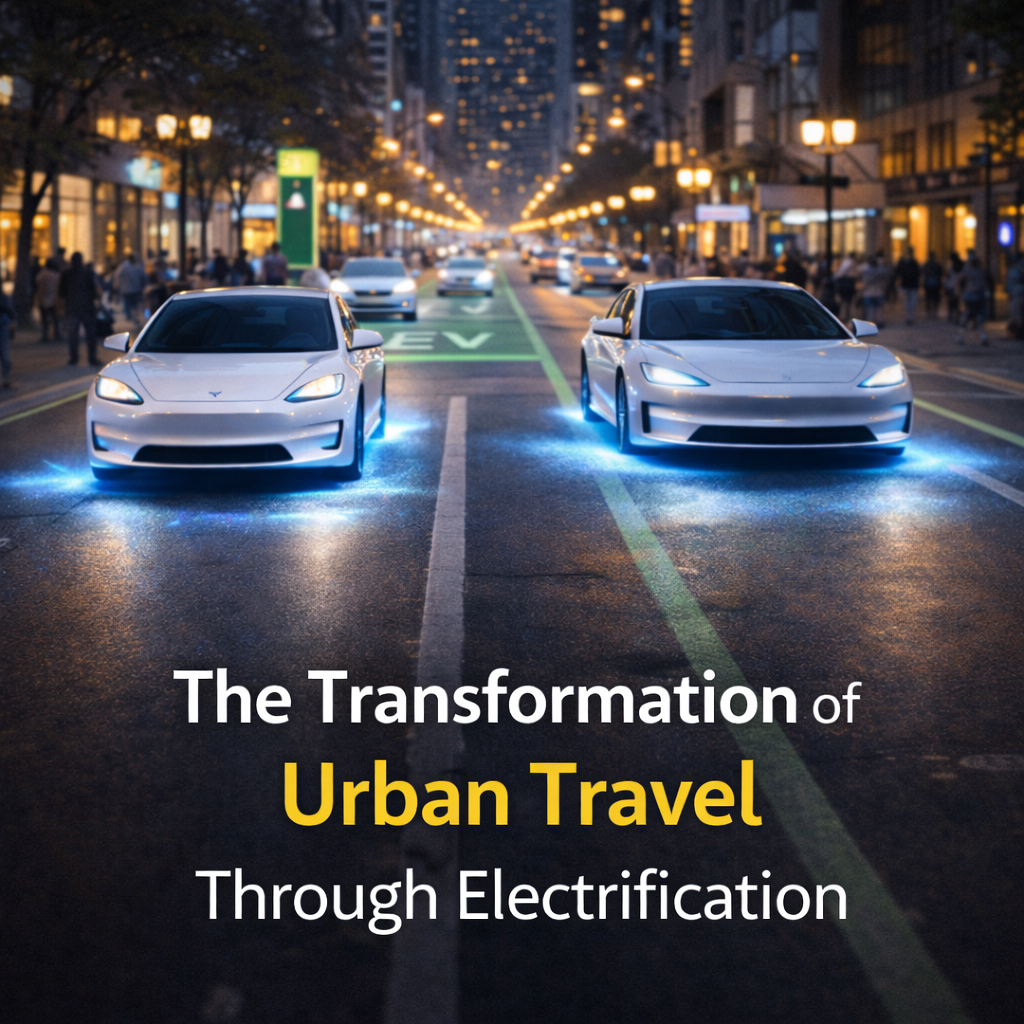
Electric cars are becoming common in cities. They are quiet, efficient, and do not produce emissions.
As more people switch to EVs:
- Air pollution decreases
- Noise levels drop
- Traffic feels less stressful
Electric Public Transport Systems
Public transport is also becoming electric. Many cities are adopting:
- Electric buses
- Electric trains
- Metro systems powered by clean energy
These systems are:
- More efficient
- Less polluting
- More comfortable for passengers
Growth of Electric Two-Wheelers
Electric bikes and scooters are transforming short-distance travel. They are perfect for navigating crowded streets.
Benefits include:
- Easy mobility
- Low cost
- Reduced traffic congestion
They are especially popular among young people and daily commuters.
Cleaner and Healthier Cities
Reduction in Air Pollution
Electric vehicles do not produce harmful emissions. This helps improve air quality in cities.
Cleaner air leads to:
- Better health
- Fewer respiratory issues
- Improved quality of life
Lower Noise Levels
With fewer fuel engines, cities are becoming quieter. This creates a more peaceful environment.
People can:
- Sleep better
- Focus more easily
- Enjoy outdoor spaces
Sustainable Urban Living
Electrification supports sustainable development. Cities can reduce their environmental impact while maintaining efficient transportation systems.
Improving Efficiency and Convenience
Smart Charging Infrastructure
Charging stations are becoming more common in urban areas. They are available in:
- Parking lots
- Shopping malls
- Residential buildings
Fast charging options make it easier to use electric vehicles daily.
Integration with Smart City Systems
Electric mobility is connected to smart city technologies. These systems help manage traffic and improve efficiency.
Examples include:
- Real-time traffic updates
- Smart parking systems
- Energy-efficient route planning
Shared Mobility Solutions
Electrification is also supporting shared mobility services like:
- Ride-sharing
- Electric car rentals
- Scooter-sharing platforms
These services reduce the number of vehicles on the road and improve accessibility.
Economic Benefits for Cities
Lower Operational Costs
Electric public transport systems are cheaper to operate in the long run. They require less maintenance and use cheaper energy sources.
Job Creation and Innovation
The shift to electric mobility is creating new opportunities in:
- Battery production
- Charging infrastructure
- Technology development
This supports economic growth.
Reduced Healthcare Costs
Cleaner air leads to fewer health problems. This reduces the burden on healthcare systems.
Challenges in Urban Electrification
Infrastructure Development
Building charging networks requires investment and planning. Some cities are still developing the necessary infrastructure.
High Initial Costs
Electric vehicles can be expensive upfront. This can slow down adoption in some areas.
Energy Demand Management
As more vehicles become electric, cities need to manage electricity demand efficiently.
This requires:
- Strong power grids
- Renewable energy integration
- Smart energy systems
The Role of Government and Policy
Supportive Regulations
Governments are encouraging electrification through policies such as:
- Subsidies for EV buyers
- Investment in public transport
- Emission regulations
Urban Planning Initiatives
City planners are redesigning urban spaces to support electric mobility. This includes:
- Dedicated EV lanes
- Charging hubs
- Pedestrian-friendly zones
The Future of Urban Travel
Fully Electric Cities
In the future, many cities aim to become fully electric. This means:
- No fuel-powered vehicles
- Clean energy-based transport systems
- Sustainable urban environments
Autonomous Electric Vehicles
Self-driving electric vehicles are expected to play a big role. They will:
- Reduce traffic accidents
- Improve efficiency
- Enhance convenience
Connected Mobility Ecosystems
Urban travel will become more connected. Vehicles, infrastructure, and users will work together to create a seamless experience.
Conclusion
The transformation of urban travel through electrification is changing cities in powerful ways. Transportation is becoming cleaner, quieter, and more efficient.
Electric vehicles, public transport systems, and smart technologies are working together to improve urban life. While challenges remain, progress is steady and promising.
In 2026, electrification is not just improving how we travel—it is reshaping how cities function. The future of urban mobility is electric, sustainable, and smarter than ever before.