Introduction
For decades, roads were filled with noise. The sound of engines, honking horns, and heavy traffic created a loud environment, especially in busy cities. This noise became a normal part of daily life.
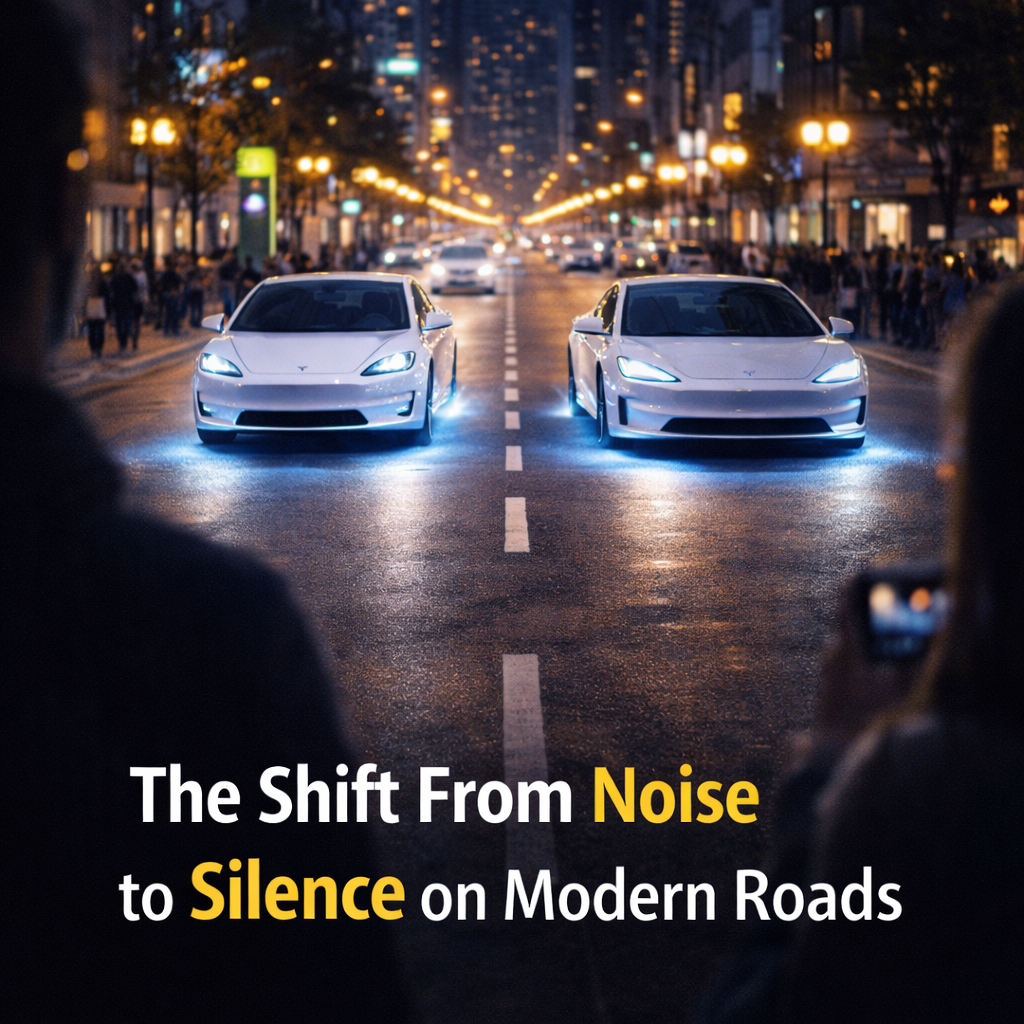
But in 2026, something is changing. Roads are slowly becoming quieter. The shift from noise to silence is happening as electric vehicles (EVs) replace traditional fuel-powered cars.
This transformation is not just about sound—it reflects a deeper change in how transportation works. In this article, we will explore why modern roads are becoming quieter and what this means for people, cities, and the future.
Understanding the Source of Road Noise
Why Traditional Vehicles Are Noisy
Traditional vehicles use internal combustion engines. These engines create noise because they burn fuel to produce energy.
The main sources of noise include:
- Engine explosions
- Exhaust systems
- Gear shifting
- Mechanical vibrations
In busy areas, the combined noise from thousands of vehicles creates constant sound pollution.
The Impact of Noise on Daily Life
Noise pollution is more than just an inconvenience. It affects human health and well-being.
Common effects include:
- Stress and anxiety
- Sleep disturbances
- Reduced concentration
- Hearing problems over time
For people living near roads, noise has always been a major concern.
The Rise of Silent Transportation
Electric Vehicles Changing the Sound of Roads
Electric vehicles are the main reason behind quieter roads. Unlike traditional cars, EVs use electric motors instead of fuel engines.
These motors:
- Do not rely on combustion
- Have fewer moving parts
- Produce minimal noise
As more EVs enter the roads, overall noise levels are decreasing.
A Gradual but Powerful Transition
The shift from noise to silence is not happening overnight. It is a gradual process as more people adopt electric vehicles.
In many cities, you can already notice:
- Reduced traffic noise
- Quieter intersections
- More peaceful neighborhoods
This change is subtle but significant.
Benefits of Quieter Roads
Improved Quality of Life
One of the biggest advantages of quieter roads is a better quality of life. People can enjoy a more peaceful environment in their homes and communities.
This leads to:
- Better sleep
- Reduced stress
- Improved mental health
Healthier Urban Environments
Less noise means healthier living conditions. Combined with reduced air pollution from EVs, cities are becoming cleaner and more comfortable.
This is especially important for:
- Children
- Elderly people
- Individuals with health conditions
Better Communication and Focus
Quieter surroundings make it easier for people to communicate and concentrate.
For example:
- Conversations become clearer
- Work environments improve
- Outdoor activities become more enjoyable
How Electric Mobility Enables Silence
Advanced Motor Technology
Electric motors are designed for efficiency and quiet operation. They deliver power smoothly without the need for loud mechanical processes.
This creates a driving experience that is:
- Silent
- Smooth
- Comfortable
Reduced Mechanical Complexity
Electric vehicles have fewer parts compared to traditional cars. This reduces friction and vibration, which are major sources of noise.
Less complexity means:
- Less sound
- Less maintenance
- Greater reliability
Use of Sound Management Systems
Some electric vehicles include artificial sound systems for safety. These systems produce soft sounds at low speeds to alert pedestrians.
This ensures safety without adding unnecessary noise.
Challenges of Silent Roads
Pedestrian Safety Concerns
While silence is beneficial, it can also create risks. Pedestrians may not hear approaching vehicles, especially in crowded areas.
To address this, regulations require EVs to produce warning sounds at low speeds.
Adapting to a New Environment
People are used to noisy roads. The shift to silence requires adjustment.
Drivers, cyclists, and pedestrians must rely more on visual awareness rather than sound.
Balancing Silence and Safety
The goal is to create roads that are quiet but still safe. This balance is important for the success of electric mobility.
Impact on Urban Planning
Redesigning City Spaces
Quieter roads allow cities to rethink their design. Urban planners can create spaces that are more people-friendly.
Examples include:
- Outdoor cafes near streets
- More pedestrian zones
- Green spaces in urban areas
Encouraging Walkability
With less noise, walking becomes more enjoyable. People are more likely to:
- Walk instead of drive
- Spend time outdoors
- Engage with their community
This improves overall urban life.
Integration with Smart Cities
Silent mobility fits well with smart city concepts. Cities can use technology to manage traffic, reduce congestion, and improve efficiency.
This creates a more organized and peaceful transportation system.
Beyond Cars: Expanding Silence
Electric Public Transport
Electric buses and trains are reducing noise in public transportation systems. Passengers enjoy a smoother and quieter journey.
This also benefits people living near transport routes.
Electric Two-Wheelers
Electric bikes and scooters are becoming common in cities. They are quiet, efficient, and ideal for short distances.
Their silent operation makes them perfect for urban use.
Quiet Delivery Systems
Delivery vehicles are also becoming electric. This reduces noise during early morning and late-night deliveries.
Residential areas benefit greatly from this change.
The Psychological Impact of Silence
A Calmer Urban Experience
Silence has a positive effect on the human mind. It creates a sense of calm and reduces stress.
Quieter roads contribute to a more peaceful lifestyle.
Improved Mental Well-Being
With less noise pollution, people experience better mental health. They can relax, focus, and enjoy their surroundings more.
The Future of Silent Roads
Increasing Adoption of Electric Vehicles
As more people switch to EVs, roads will continue to become quieter. This trend is expected to grow rapidly in the coming years.
Advancements in Noise Control
Future technologies will further reduce noise levels while maintaining safety. Smart systems will manage sound in a controlled way.
A New Standard for Transportation
Silence will become a standard feature of modern transportation. Future generations may not experience the loud roads of the past.
Conclusion
The shift from noise to silence on modern roads is a powerful sign of change. Electric vehicles are transforming not just how we travel, but how our environment feels.
Quieter roads improve health, comfort, and overall quality of life. While there are challenges, they are being addressed with smart solutions.
In 2026, silence is becoming a symbol of progress. The future of transportation is not just fast and efficient—it is calm, quiet, and sustainable.