Introduction
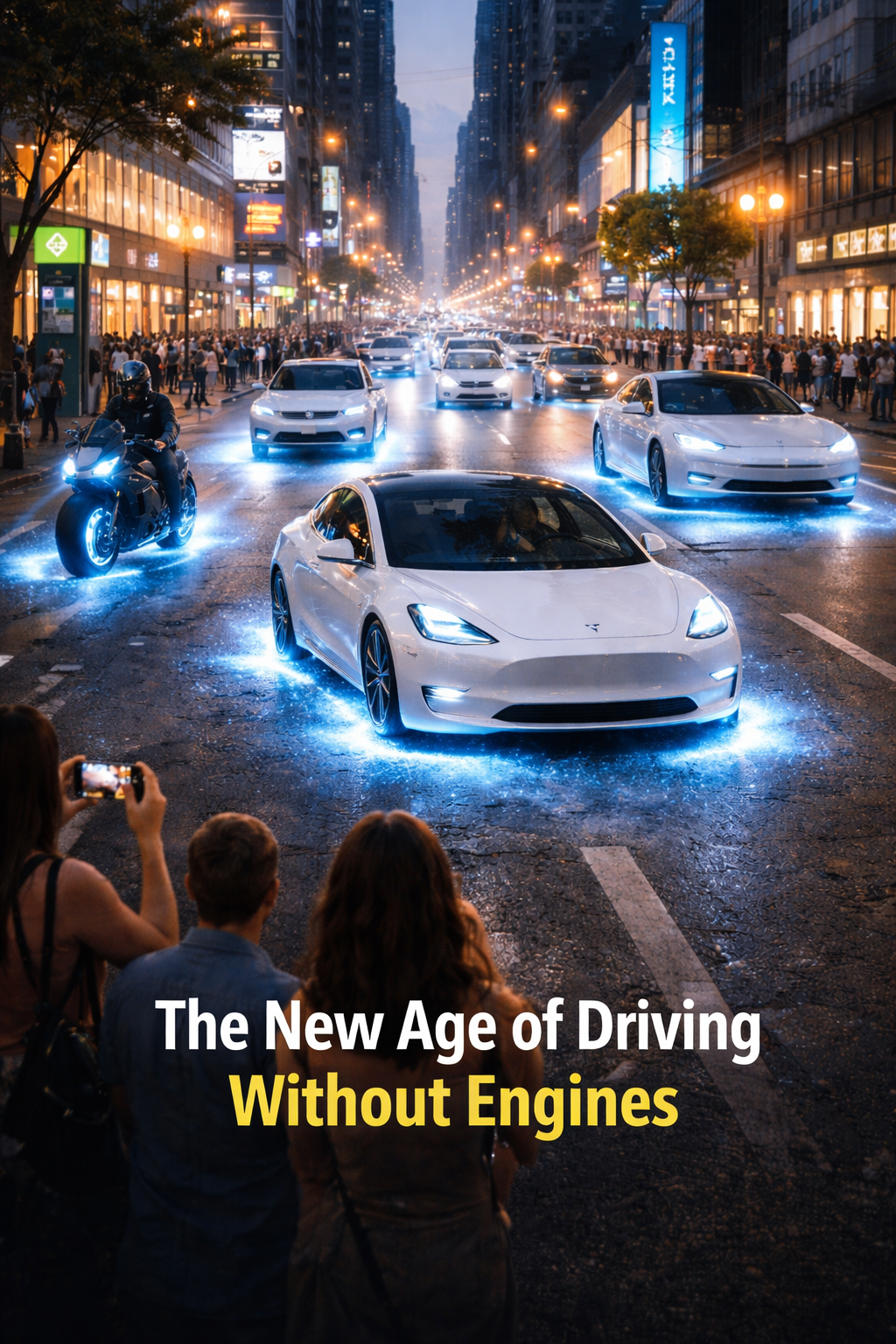
Driving has always been linked with engines—the sound, the vibration, and the feeling of power under the hood. For decades, engines were the heart of every vehicle. But in 2026, this idea is changing fast.
We are now entering a new age of driving where traditional engines are no longer necessary. Electric vehicles (EVs) are replacing fuel-powered engines with clean and efficient electric motors. This shift is not just about technology—it is changing how we experience driving itself.
In this article, we will explore how driving without engines is becoming the new normal and what it means for the future of transportation.
Understanding Driving Without Engines
What Replaces the Traditional Engine
In traditional vehicles, internal combustion engines burn fuel to create energy. This process produces noise, heat, and emissions.
In electric vehicles, the engine is replaced by an electric motor. This motor runs on electricity stored in batteries. Instead of combustion, it uses electrical energy to create motion.
This simple change brings many advantages:
- No fuel burning
- No exhaust emissions
- Fewer moving parts
- Smoother operation
How Electric Motors Work
Electric motors convert electrical energy into mechanical energy. When the driver presses the accelerator, electricity flows from the battery to the motor, which then powers the wheels.
This process is:
- Instant
- Efficient
- Quiet
Unlike traditional engines, there is no delay in power delivery. This makes driving more responsive and controlled.
Why the Shift Away from Engines Is Happening
Environmental Awareness
One of the biggest reasons for moving away from engines is environmental concern. Fuel-powered engines release harmful gases that contribute to pollution and climate change.
Electric vehicles produce zero tailpipe emissions, making them a cleaner alternative.
This shift supports:
- Cleaner air
- Reduced carbon footprint
- Sustainable living
Technological Advancements
Technology has played a key role in this transition. Modern batteries are more powerful, lighter, and longer-lasting than before.
Charging systems have also improved, making it easier and faster to recharge vehicles.
These advancements have made engine-free driving practical for everyday use.
Government Regulations and Policies
Governments around the world are encouraging the adoption of electric vehicles. Many countries have set goals to reduce or eliminate fuel-powered vehicles in the future.
Policies include:
- Incentives for EV buyers
- Investment in charging infrastructure
- Strict emission standards
These efforts are pushing the transition forward.
How Driving Experience Has Changed
Smooth and Silent Movement
Driving without an engine feels completely different. Electric vehicles are quiet, with almost no noise from the motor.
The absence of engine vibration makes the ride smoother and more comfortable.
Drivers often describe EV driving as:
- Calm
- Effortless
- Modern
Instant Acceleration
One of the most exciting features of electric vehicles is instant acceleration. Unlike fuel engines, which take time to build power, electric motors deliver power immediately.
This results in:
- Faster response
- Better control
- Improved driving performance
Simplified Driving Mechanics
Electric vehicles are simpler to operate. Many EVs do not require traditional gear systems.
This means:
- No gear shifting
- Less complexity
- Easier driving, especially for beginners
Driving becomes more intuitive and user-friendly.
Impact on Vehicle Design
More Space and Flexibility
Without a large engine, vehicle design has changed. Electric vehicles have more flexible layouts, allowing manufacturers to create spacious interiors.
This leads to:
- More legroom
- Better storage options
- Innovative designs
Modern and Minimalist Interiors
EV interiors often focus on simplicity and technology. Many vehicles feature:
- Large touchscreens
- Digital controls
- Minimal physical buttons
This creates a clean and futuristic driving environment.
Economic Benefits of Engine-Free Driving
Lower Running Costs
Driving without an engine reduces fuel expenses. Electricity is generally cheaper than petrol or diesel.
Users can also charge their vehicles at home, saving time and money.
Reduced Maintenance Needs
Traditional engines require regular maintenance, such as:
- Oil changes
- Engine repairs
- Exhaust system checks
Electric vehicles eliminate many of these needs because they have fewer moving parts.
This results in:
- Lower maintenance costs
- Less frequent servicing
- Increased reliability
Challenges of Driving Without Engines
Charging Infrastructure Limitations
Although charging stations are increasing, they are not yet available everywhere. This can be a challenge, especially in rural areas.
However, rapid development is improving accessibility.
Battery Concerns
Battery life and replacement costs are common concerns for EV users. While modern batteries are more reliable, they still require proper care.
Research is ongoing to create better and more affordable battery solutions.
Initial Purchase Cost
Electric vehicles can be expensive compared to traditional cars. This can make it difficult for some people to switch.
Over time, prices are expected to decrease as production increases.
The Role of Electric Mobility in Daily Life
Urban Commuting
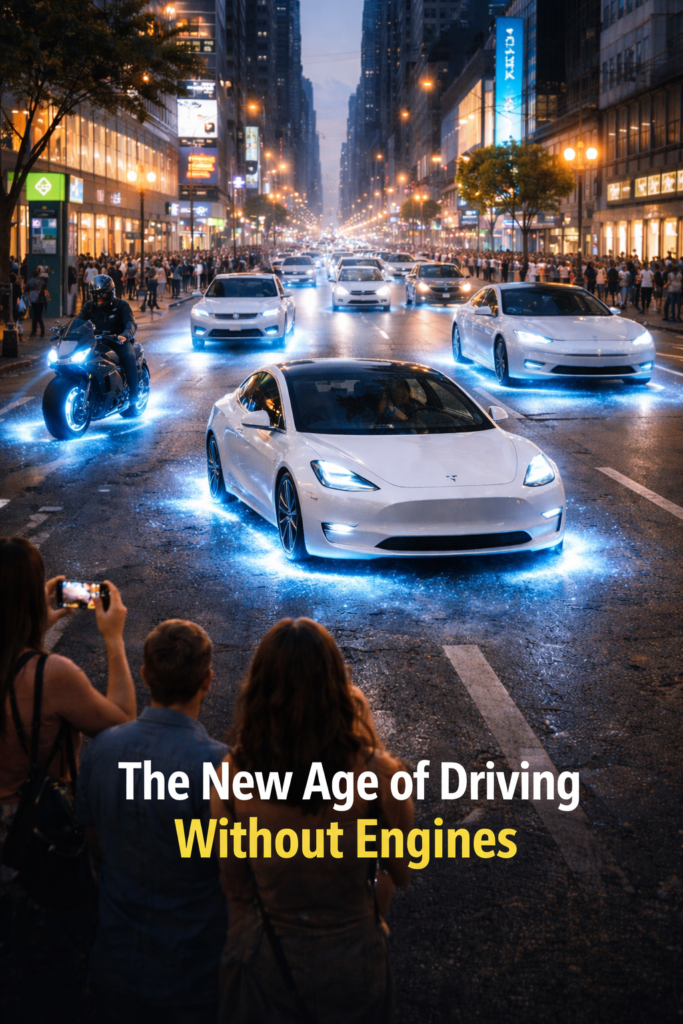
Electric vehicles are perfect for city driving. They are efficient, quiet, and ideal for short distances.
They help reduce traffic noise and pollution in urban areas.
Long-Distance Travel
With improved battery range and fast-charging stations, EVs are now suitable for long journeys as well.
Drivers can plan trips using charging networks available on highways.
Integration with Smart Systems
Modern electric vehicles are connected to digital systems. They can provide:
- Real-time traffic updates
- Battery status monitoring
- Route optimization
This makes driving more efficient and informed.
The Future of Driving Without Engines
Continuous Innovation
The future of engine-free driving is full of possibilities. New technologies are being developed to improve performance and convenience.
These include:
- Wireless charging
- Solid-state batteries
- Autonomous driving systems
Global Adoption
More people are accepting electric vehicles as a normal choice. Businesses, governments, and individuals are all moving toward engine-free transportation.
This global shift is accelerating the transition.
A Sustainable Driving Ecosystem
Driving without engines supports a larger goal—sustainability. By reducing emissions and using clean energy, electric mobility is helping create a better future.
Conclusion
The new age of driving without engines has already begun. Electric vehicles are changing how we think about transportation, replacing traditional engines with efficient electric systems.
This transformation is making driving cleaner, simpler, and more enjoyable. While challenges still exist, the benefits are clear.
As technology continues to evolve, engine-free driving will become the standard. The roads of the future will not just be quieter—they will be smarter, greener, and more efficient.