From Tools to Companions
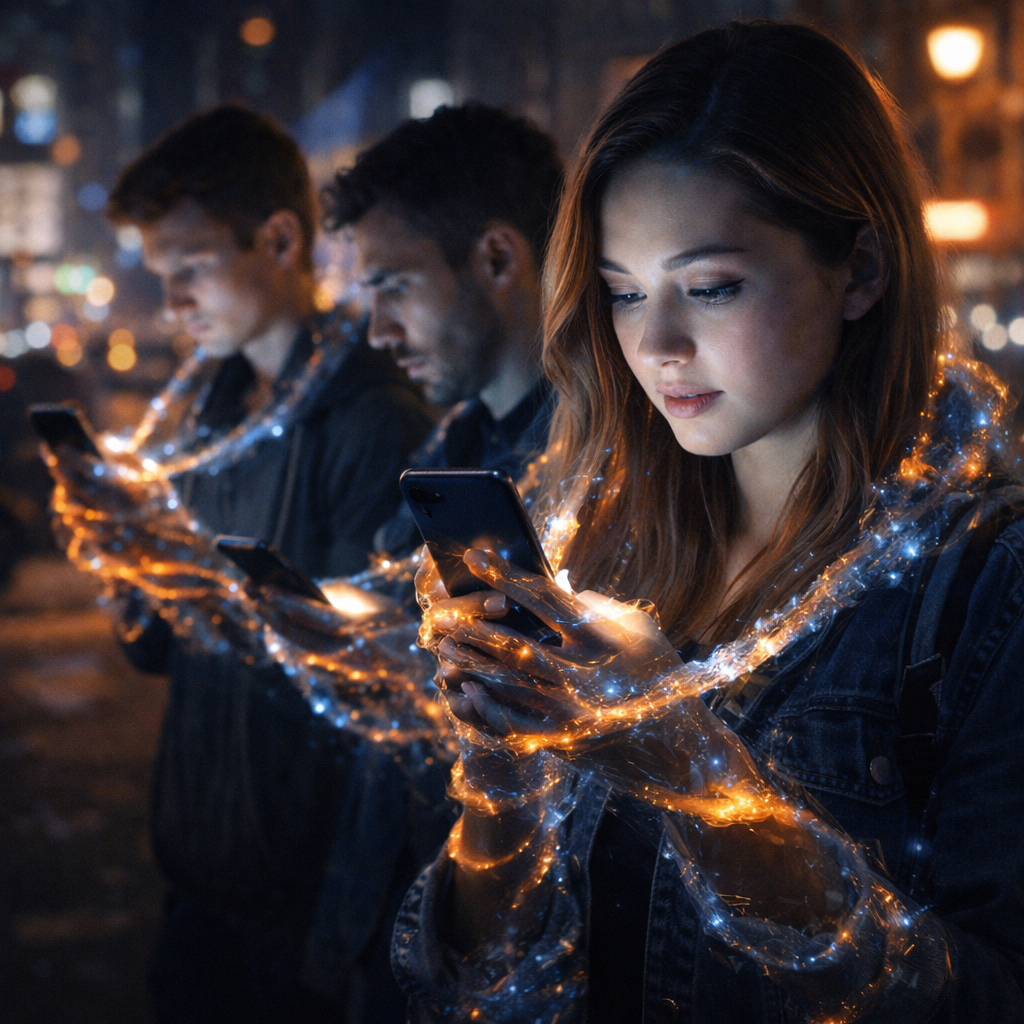
In 2026, the relationship between humans and smartphones has changed in a significant way. What was once a simple tool for communication has now become something much deeper. Phones are no longer just devices we use—they are companions that stay with us throughout the day.
This shift did not happen suddenly. Over time, smartphones became more capable, more intelligent, and more integrated into daily life. As a result, the way people interact with their phones has evolved.
A Constant Presence in Daily Life
One of the biggest changes is how often people use their phones. Smartphones are now part of almost every moment of the day.
From waking up in the morning to going to sleep at night, people rely on their phones for:
- Checking updates
- Communicating with others
- Managing daily tasks
This constant presence has made smartphones an essential part of modern living.
From Occasional Use to Continuous Interaction
In the past, people used their phones only when needed. Now, interaction is continuous. Users check their devices regularly, even without a specific reason.
This is because smartphones now offer more than just basic functions. They provide information, suggestions, and entertainment, making them more engaging.
As a result, the relationship has shifted from occasional use to ongoing interaction.
Understanding User Needs
Modern smartphones are designed to understand users better. They learn from behavior, track habits, and adapt to individual preferences.
This allows them to:
- Suggest useful actions
- Organize information
- Provide timely reminders
Because of this, the phone feels more aware of the user’s needs.
A Sense of Dependence
As smartphones become more helpful, people begin to depend on them more. They rely on their devices for memory, organization, and decision-making.
For example:
- Remembering important dates
- Navigating new places
- Managing schedules
This dependence is not always negative. It often makes life easier and more organized. However, it also shows how important smartphones have become.
Emotional Connection With Devices
Over time, people have started to develop a sense of connection with their phones. This is not the same as human emotion, but it is still meaningful.
Phones store:
- Personal photos
- Important messages
- Daily memories
Because of this, they feel personal and valuable. Losing a phone is not just losing a device—it feels like losing a part of your daily life.
Communication Beyond Distance
Smartphones have changed how people communicate. Distance is no longer a barrier. People can stay connected anytime, anywhere.
With features like:
- Instant messaging
- Video calls
- Social platforms
communication has become faster and more flexible. This has strengthened relationships but also changed how people interact.
Balancing Real and Digital Life
As smartphones become more central to life, it is important to balance their use. While they offer many benefits, too much dependence can affect real-life interactions.
In 2026, many users are becoming more aware of this balance. They use their phones for support but also try to stay connected to the real world.
This balance is important for maintaining healthy relationships.
Phones as Personal Assistants
Smartphones now act as personal assistants. They help users stay organized, manage tasks, and make decisions.
They can:
- Set reminders
- Suggest actions
- Provide useful information
This supportive role strengthens the relationship between users and their devices.
A More Personalized Experience
Each smartphone experience is now unique. Devices adapt to individual users, creating a personalized environment.
This includes:
- Customized content
- Personalized notifications
- Tailored app suggestions
This makes the phone feel like it truly belongs to the user.
Changing Expectations of Technology
As the relationship evolves, user expectations are also changing. People now expect their devices to be:
- Smart and responsive
- Easy to use
- Helpful in daily life
This has pushed technology to become more user-focused.
Looking Toward the Future
The relationship between humans and smartphones will continue to evolve. Devices may become even more integrated into daily life.
Future smartphones may:
- Understand emotions better
- Provide deeper assistance
- Require less input
The connection between humans and technology will likely grow stronger.
Conclusion
In 2026, the relationship between humans and their phones has transformed. Smartphones are no longer just tools—they are companions that support daily life.
They help with communication, organization, and decision-making, making life more convenient and efficient. At the same time, they have created a deeper connection between users and technology.
As this relationship continues to grow, smartphones will play an even bigger role in shaping how people live, work, and connect with the world.