Introduction
Electric mobility is no longer just a future concept. In 2026, it has become a real and growing part of everyday life. Around the world, people are slowly moving away from fuel-powered vehicles and choosing electric options. This shift is not loud or dramatic, but it is powerful and meaningful.
From personal cars to public transport and delivery systems, electric vehicles (EVs) are quietly changing how transportation works. Many people do not even realize how fast this transformation is happening. Roads are becoming quieter, cities are becoming cleaner, and driving is becoming smarter.
In this article, we will explore how electric mobility is redefining transportation in 2026 and why this change matters for the future.
The Silent Shift in Transportation
From Fuel Dependency to Electric Power
For more than a century, transportation depended on petrol and diesel. Fuel engines powered cars, buses, trucks, and bikes. But now, things are changing. Electricity is becoming the new energy source for mobility.
Electric vehicles run on batteries instead of fuel tanks. These batteries can be charged at home or at public charging stations. This simple change is reducing the need for fuel stations and decreasing our dependence on fossil fuels.
This shift is important because fossil fuels are limited and harmful to the environment. Electric mobility offers a cleaner and more sustainable solution.
Quiet Roads and Better Driving Experience
One of the most noticeable changes is the reduction in noise. Traditional vehicles produce engine noise, which adds to noise pollution in cities. Electric vehicles, on the other hand, are almost silent.
This creates a more peaceful environment, especially in busy urban areas. People living near roads experience less disturbance, and overall city life becomes calmer.
Driving an electric vehicle also feels different. The ride is smoother because there are fewer moving parts. Acceleration is instant and controlled, making driving easier and more comfortable.
Why Electric Mobility Is Growing Rapidly
Environmental Benefits
One of the biggest reasons for the rise of electric mobility is its positive impact on the environment. Electric vehicles do not produce harmful emissions like carbon dioxide or nitrogen oxides.
This helps in:
- Reducing air pollution
- Improving public health
- Fighting climate change
Governments around the world are encouraging EV adoption by offering incentives, subsidies, and tax benefits.
Lower Operating and Maintenance Costs
Electric vehicles are more cost-effective in the long run. Charging an EV is usually cheaper than buying petrol or diesel. In many cases, users can even charge their vehicles at home.
Maintenance costs are also lower because EVs have fewer mechanical parts. There is no need for oil changes, and the chances of engine failure are reduced.
This makes electric mobility an attractive option for both individuals and businesses.
Smart Technology Integration
Electric vehicles are not just about clean energy—they are also about smart technology. Most EVs come with advanced digital features that improve the driving experience.
These include:
- Touchscreen control systems
- GPS navigation
- Battery monitoring systems
- AI-based driving assistance
These features make vehicles more intelligent and user-friendly.
Impact on Urban Life and Cities
Cleaner and Healthier Cities
As more electric vehicles enter the roads, cities are becoming cleaner. Air pollution levels are decreasing, especially in densely populated areas.
Cleaner air leads to better health outcomes. People suffer less from respiratory diseases, and overall quality of life improves.
Electric mobility is playing a key role in making cities more livable.
Expansion of Charging Infrastructure
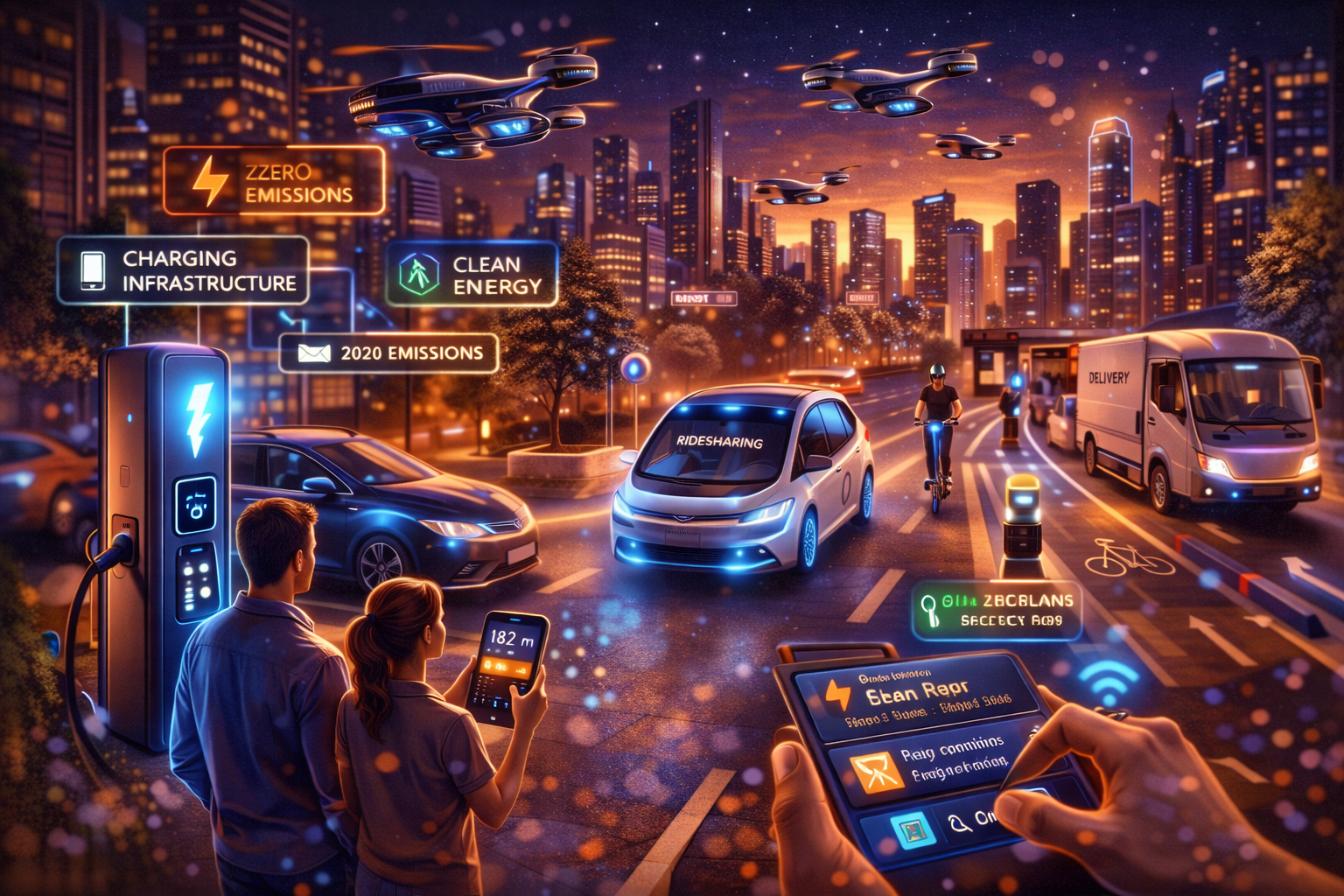
One of the major developments in 2026 is the growth of charging infrastructure. Charging stations are now available in many places, including:
- Shopping centers
- Office buildings
- Parking areas
- Highways
Fast-charging technology is also improving. Some stations can charge a vehicle in less than an hour, making long-distance travel more convenient.
Integration with Smart Cities
Electric mobility is becoming a part of smart city systems. Vehicles can now connect with digital networks to optimize routes, reduce traffic, and save energy.
For example:
- Smart traffic signals reduce waiting time
- Navigation systems suggest energy-efficient routes
- Charging stations show real-time availability
This integration makes transportation more efficient and intelligent.
Electric Mobility Beyond Personal Cars
Rise of Electric Two-Wheelers
In many countries, electric bikes and scooters are becoming very popular. They are affordable, easy to use, and perfect for short distances.
These vehicles are especially useful in crowded cities where traffic is a major issue. They help reduce congestion and provide a quick and efficient way to travel.
Public Transport Going Electric
Public transportation systems are also adopting electric mobility. Electric buses and trains are becoming common in many cities.
These systems:
- Reduce pollution
- Lower operational costs
- Provide a smoother ride for passengers
Governments are investing heavily in electric public transport to create sustainable urban mobility.
Transformation of Logistics and Delivery
The logistics industry is also changing. Delivery companies are using electric vans, bikes, and trucks for transporting goods.
This shift is important because delivery vehicles operate frequently and cover long distances. Using electric options reduces fuel costs and environmental impact.
Last-mile delivery, especially in urban areas, is becoming faster and more efficient with electric mobility.
Challenges Facing Electric Mobility
Limited Charging in Rural Areas
While cities have many charging stations, rural areas still face a shortage. This can make long-distance travel difficult for EV users.
However, governments and private companies are working to expand infrastructure in these regions.
High Initial Purchase Cost
Electric vehicles can be expensive to buy compared to traditional cars. Although they save money in the long run, the initial cost can be a barrier for many people.
With technological advancements and increased production, prices are expected to decrease over time.
Battery and Recycling Issues
Batteries are a key part of electric vehicles, but they also raise concerns. Proper disposal and recycling of batteries are important to avoid environmental harm.
Researchers are working on better battery technologies that are more efficient and easier to recycle.
The Future of Electric Mobility
Continuous Innovation
Electric mobility is still evolving. New technologies are being developed to improve battery life, charging speed, and vehicle performance.
Wireless charging, solid-state batteries, and autonomous driving are some of the innovations shaping the future.

Global Adoption and Acceptance
People are becoming more aware of the benefits of electric vehicles. As trust grows, more individuals and businesses are choosing EVs.
Countries around the world are setting targets to reduce fuel-based vehicles and increase electric adoption.
A Sustainable Transportation System
Electric mobility is not just a trend—it is a long-term solution. It supports sustainability by reducing emissions and conserving natural resources.
In the coming years, transportation will become more energy-efficient, connected, and environmentally friendly.
Conclusion
Electric mobility is quietly redefining transportation in 2026. The shift from fuel to electricity is changing how we travel, how cities function, and how businesses operate.
Although the change may seem slow, its impact is significant. Cleaner air, lower costs, smarter vehicles, and better urban living are all results of this transformation.
As technology continues to improve and infrastructure expands, electric mobility will become the standard. The future of transportation is not coming—it is already here, moving silently on our roads.