A Fundamental Shift in Technology
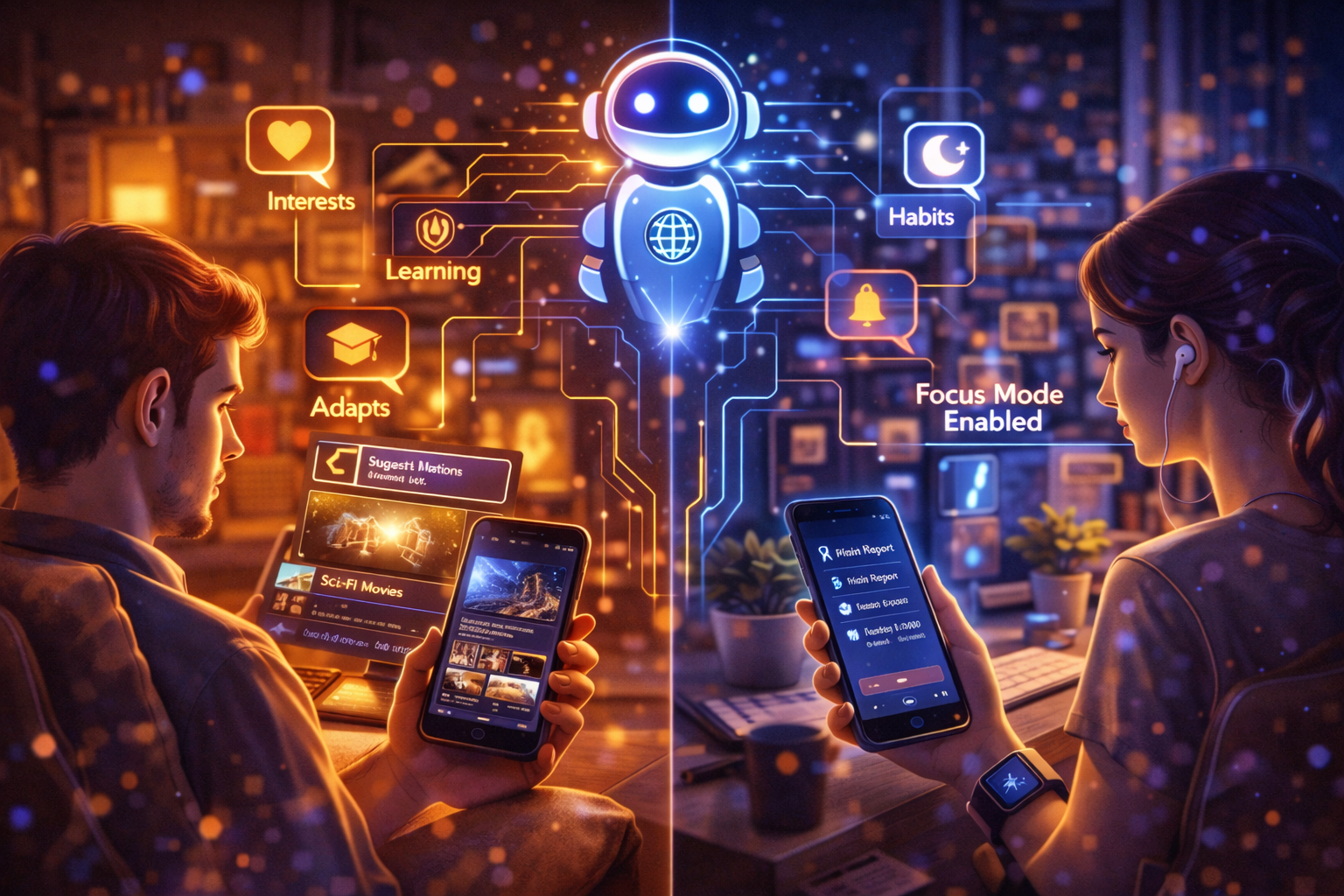
In 2026, one of the biggest changes in mobile technology is the shift in control. In the past, users had to adapt to their devices. They had to learn how apps worked, adjust settings manually, and change their habits to match the system. But now, the situation has reversed. Devices are adapting to users.
This new era focuses on making technology fit naturally into human life. Instead of forcing people to learn complex systems, smartphones now learn from people and adjust accordingly.
From Fixed Systems to Flexible Experiences
Earlier smartphones followed fixed systems. Every user had the same interface, the same layout, and the same way of doing things. If something felt complicated, the user had to adjust.
In 2026, smartphones are more flexible. They change based on how each person uses them. The experience is no longer the same for everyone. It is shaped by individual behavior.
This flexibility makes devices easier to use and more comfortable for different types of users.
Learning User Behavior Over Time
Modern smartphones continuously learn from user behavior. Every action—whether it is opening an app, replying to a message, or browsing content—adds to the system’s understanding.
They learn:
- Your daily routine
- Your most used features
- Your interaction patterns
Over time, this information helps the device adjust its behavior. It can highlight important apps, suggest actions, and organize content based on your habits.
Interfaces That Change With You
One of the most noticeable changes is in the user interface. It is no longer static. Instead, it adapts based on usage.
For example:
- Frequently used apps may appear first
- Suggestions may change depending on time of day
- Shortcuts may adjust automatically
This makes navigation easier because the phone presents what you need when you need it.
Reducing the Need to Learn Technology
In the past, users had to learn how to use their devices. This often created a barrier, especially for people who were not familiar with technology.
Now, smartphones reduce that need. They are designed to be intuitive and self-adjusting. The device learns how you behave, so you do not need to learn how the device works.
This makes technology more accessible to everyone.
Automation of Routine Tasks
Another important part of this shift is automation. Smartphones now handle many routine tasks without user input.
Examples include:
- Organizing apps automatically
- Suggesting replies in messages
- Managing background processes
This reduces effort and allows users to focus on more important things.
Context-Aware Adjustments
Devices in 2026 are also aware of context. They understand your environment and adjust settings accordingly.
For instance:
- Switching to silent mode during meetings
- Adjusting brightness based on lighting
- Suggesting navigation when traveling
These changes happen automatically, making the experience smoother.
Personalization Without Setup
Personalization is now automatic. Users no longer need to spend time customizing their devices. Smartphones learn preferences and apply them on their own.
They can:
- Recommend content based on interests
- Adjust notifications based on importance
- Rearrange apps based on usage
This creates a unique experience for each user without extra effort.
Balancing Control and Automation
Even though devices are becoming more adaptive, users still have control. They can adjust settings and override suggestions whenever needed.
The goal is not to remove control, but to reduce unnecessary effort. Smartphones assist users while still allowing them to make final decisions.
Improving Daily Efficiency
This shift toward adaptive devices improves daily efficiency. Tasks become faster, decisions become easier, and interactions feel smoother.
Users spend less time managing their phones and more time using them effectively.
A More Human-Centered Design
The idea of devices adapting to users reflects a more human-centered approach to technology. It focuses on how people live rather than how systems are built.
This approach makes smartphones feel more natural and less technical. They fit into daily life instead of disrupting it.
The Future of Adaptive Technology
The trend of adaptive devices will continue to grow. Future smartphones may become even more responsive and personalized.
They may:
- Understand behavior more deeply
- Adjust instantly to new habits
- Provide more accurate suggestions
The goal will remain the same—making technology simple, helpful, and effortless.
Conclusion
In 2026, we are living in an era where devices adapt instead of users. Smartphones have become more flexible, intelligent, and user-focused.
By learning behavior, adjusting interfaces, and automating tasks, they reduce effort and improve convenience. This shift has made technology more accessible and more aligned with human needs.
As this evolution continues, smartphones will become even more integrated into daily life, supporting users in ways that feel natural and seamless.