More Than Just a Device
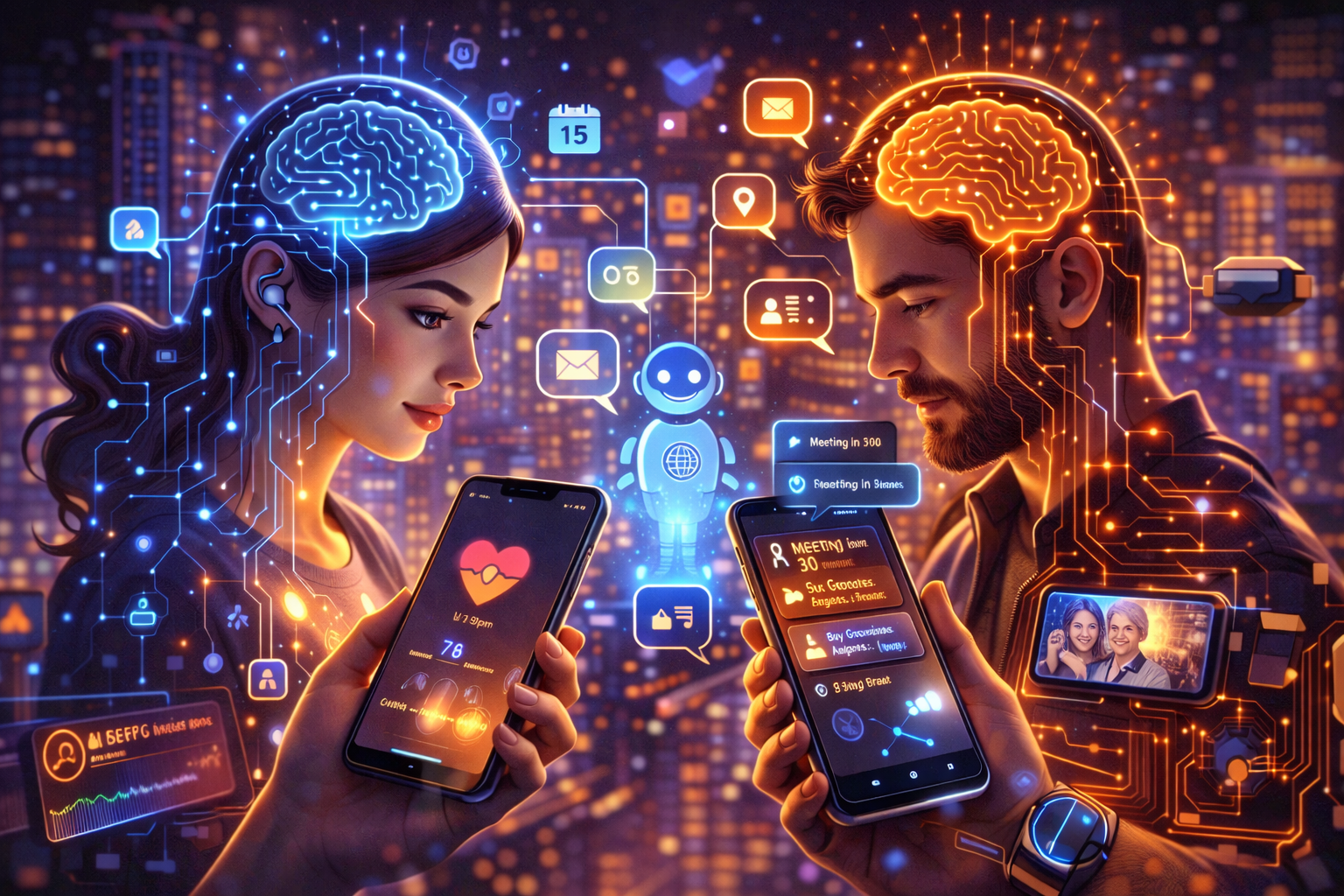
In 2026, smartphones are no longer separate tools that we use occasionally. They have become deeply connected to our daily lives, almost like an extension of ourselves. From the moment we wake up to the time we go to sleep, our phones are with us, helping, guiding, and supporting our actions.
This change is not just about technology improving. It is about how closely smartphones are now linked to human behavior, decisions, and routines. The line between user and device is becoming less clear.
Always Present, Always Active
One of the main reasons smartphones feel like extensions of humans is their constant presence. People carry their phones everywhere, and the device is always active in the background.
It tracks:
- Daily steps and activity
- Sleep patterns
- Location and movement
Because of this, the phone becomes aware of your life in a continuous way. It is not just used when needed—it is always working alongside you.
Understanding Personal Habits
Modern smartphones are designed to understand user habits in detail. They observe how you interact with your device and learn your preferences over time.
They understand:
- Your daily routine
- Your favorite apps
- Your communication style
This deep understanding allows the phone to act in ways that feel personal. It does not treat every user the same. Instead, it adapts to individual behavior.
Supporting Daily Decisions
Smartphones are now involved in many of the decisions we make every day. From choosing what to eat to deciding when to leave home, the phone provides suggestions and guidance.
For example:
- Suggesting routes based on traffic
- Recommending content based on mood
- Offering reminders at the right time
These suggestions influence decisions, making the phone a silent partner in everyday life.
A Memory That Never Forgets
One of the most powerful roles smartphones play is acting as an external memory. They store information that users might forget.
They remember:
- Contacts and conversations
- Important dates and events
- Notes, documents, and passwords
This reduces the mental load on users. Instead of trying to remember everything, people rely on their phones to keep track of details.
Communication Made Seamless
Smartphones have also become the center of human communication. They allow users to stay connected with others at all times.
With features like:
- Instant messaging
- Video calls
- Social media platforms
Communication is faster and more accessible than ever before. The phone becomes a bridge between people, strengthening connections.
Health and Lifestyle Integration
In 2026, smartphones play an important role in health and lifestyle. They monitor physical activity, sleep patterns, and overall wellbeing.
They can:
- Suggest exercise routines
- Track fitness goals
- Remind users to take breaks
This makes the phone a partner in maintaining a healthy lifestyle.
Personalization at a Deeper Level
Because smartphones learn from user behavior, they offer a highly personalized experience. Everything from app suggestions to content recommendations is tailored to the individual.
This personalization makes the device feel unique. It reflects the user’s habits, preferences, and lifestyle.
Reducing Effort in Daily Tasks
Smartphones help reduce effort by automating many routine tasks. Users no longer need to manage everything manually.
Examples include:
- Auto-filling forms
- Smart replies in messages
- Automatic scheduling
These features save time and make daily life easier.
A Constant Source of Information
Smartphones provide instant access to information. Whether it is news, directions, or answers to questions, everything is available within seconds.
This constant access changes how people think and act. Instead of searching physically or asking others, users rely on their phones for quick solutions.
Emotional Connection With Devices
Although smartphones are machines, users often develop a sense of connection with them. This is because the device feels personal and reliable.
It understands preferences, supports routines, and stays consistent. Over time, this creates trust and familiarity.
While it is not the same as human emotion, it still plays a role in how people interact with technology.
Blending Into Human Life
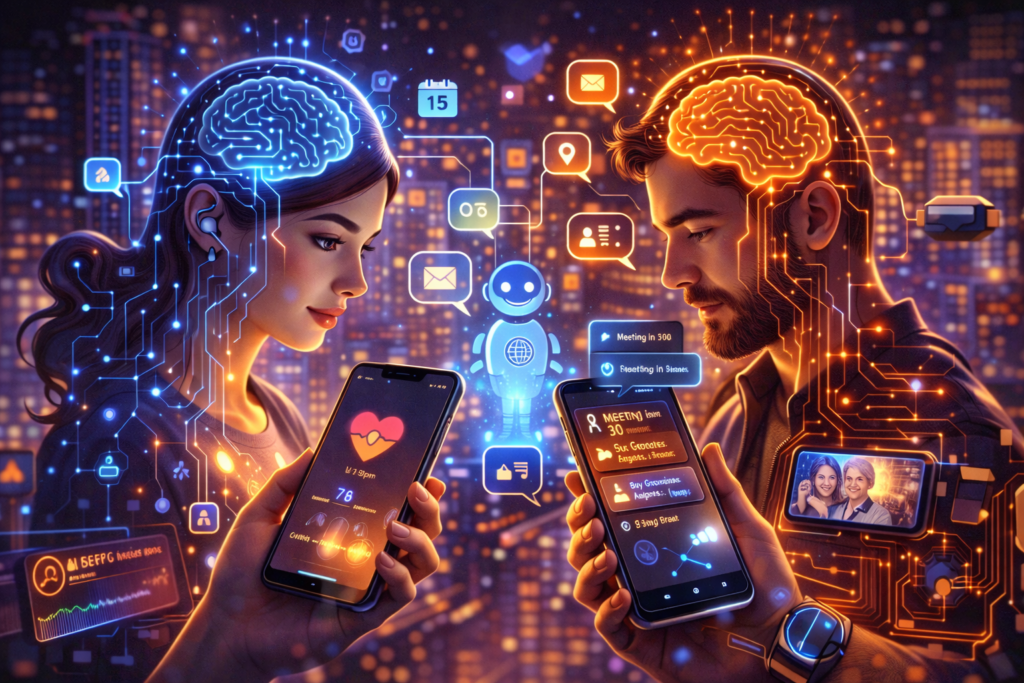
The biggest change in 2026 is how smartphones blend into human life. They are no longer separate tools used occasionally. They are part of daily routines, decisions, and habits.
This integration makes them feel like an extension of the user rather than an external device.
Looking Ahead
As technology continues to evolve, smartphones may become even more integrated into human life. They may understand behavior more deeply and offer more advanced support.
Future devices could:
- Predict needs more accurately
- Provide real-time guidance
- Adapt instantly to changes
The goal will be to make technology even more natural and helpful.
Conclusion
In 2026, smartphones are becoming digital extensions of humans. They understand habits, support decisions, and reduce effort in everyday life.
This transformation has changed how people interact with technology. Smartphones are no longer just tools—they are companions that work alongside users.
As this trend continues, the connection between humans and devices will only grow stronger, making smartphones an even more essential part of modern life.