A Shift No One Fully Predicted
In 2026, mobile innovation did not move in the direction many people expected. For years, the focus was on bigger screens, faster processors, and more powerful hardware. People assumed that future smartphones would simply become stronger versions of what already existed. But instead, the industry took a different path.
The real innovation in 2026 is not about adding more power—it is about using existing power in smarter ways. Smartphones are no longer trying to impress users with numbers. Instead, they are focused on improving how people experience technology in everyday life.
From Hardware Race to Smart Experience
In the past, smartphone companies competed in a hardware race. Each new model promised better specs—more RAM, higher speed, and improved cameras. While these improvements still exist, they are no longer the main focus.
In 2026, the direction has shifted toward experience. Users now care more about how a phone feels rather than what it contains. A smooth, intelligent, and effortless experience matters more than technical details.
This change has redefined what innovation means in the mobile world.
Simplicity Over Complexity
One of the most unexpected changes is the move toward simplicity. As smartphones became more advanced, they also became more complex. Too many features and settings made devices harder to use.
Now, companies are focusing on reducing complexity. They aim to make smartphones easier to understand and more natural to use. Instead of adding more options, they are simplifying interactions.
This approach makes technology more accessible to a wider range of users.
The Rise of Invisible Features
Innovation in 2026 is often invisible. Many of the most powerful improvements are happening in the background, where users cannot see them.
These include:
- Smarter system optimization
- Better battery management
- Intelligent app behavior
Users may not notice these features directly, but they feel the difference in performance and ease of use.
This shift toward invisible technology is one of the most important trends of the year.
Artificial Intelligence Leading the Way
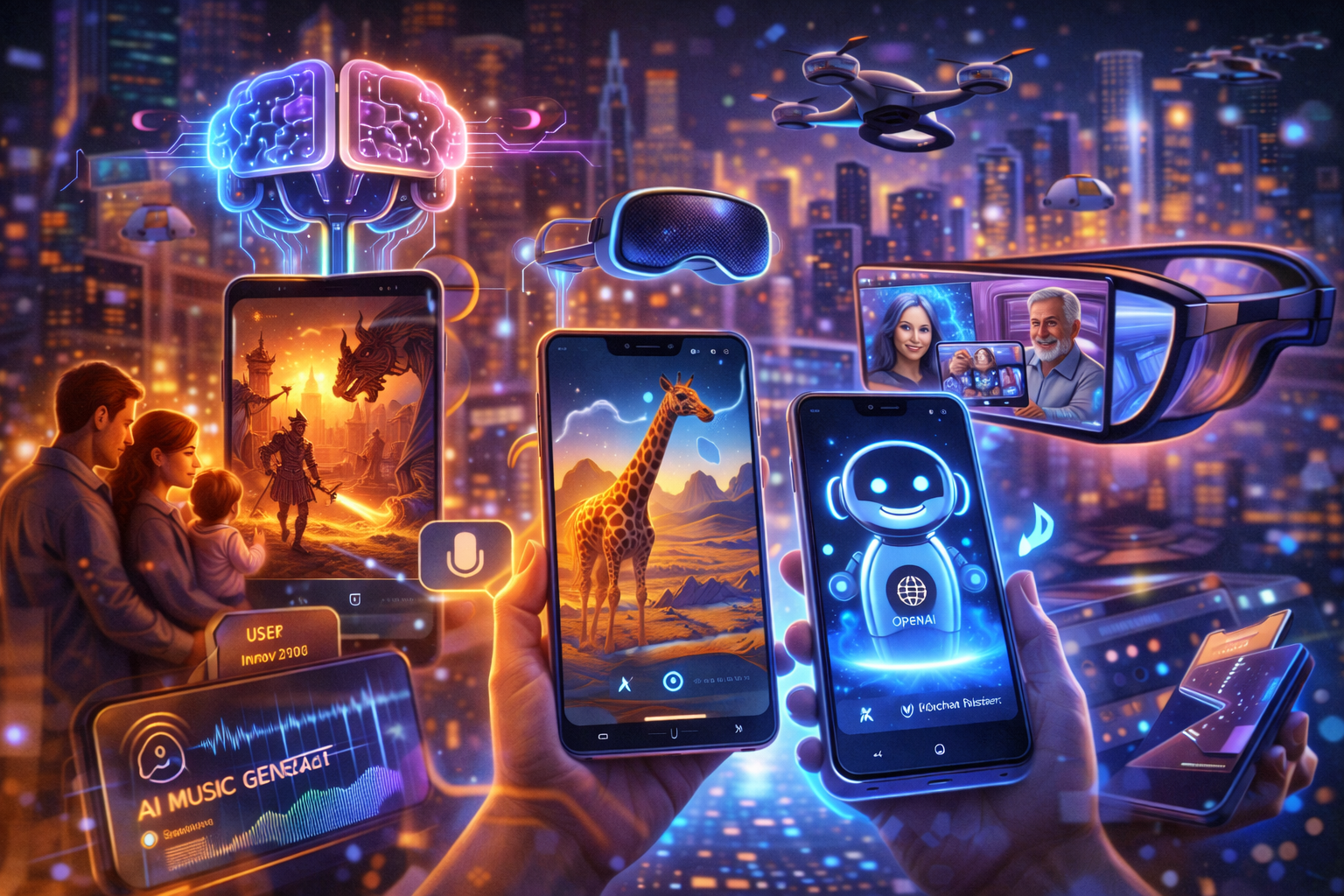
Artificial intelligence has become the driving force behind modern smartphones. It is no longer just an additional feature—it is the foundation of innovation.
AI allows smartphones to:
- Learn user behavior
- Predict needs
- Automate tasks
Because of this, phones are becoming more helpful without requiring constant input. They support users quietly and efficiently.
From Control to Assistance
Another major shift is how users interact with their devices. In the past, users had full control and had to manage everything manually. Now, smartphones take on a more supportive role.
They assist by:
- Suggesting actions
- Organizing information
- Managing routine tasks
This reduces the need for constant control and makes the experience more relaxed.
Personalization as a Priority
Modern smartphones are designed to adapt to individual users. Instead of offering the same experience to everyone, they create unique experiences based on behavior.
They personalize:
- App suggestions
- Content recommendations
- Notification priorities
This makes each device feel tailored to its user, which is a major step forward in mobile innovation.
Efficiency Over Raw Power
Another unexpected direction is the focus on efficiency. Instead of simply increasing power, smartphones now aim to use resources more effectively.
They manage:
- Battery usage
- System performance
- Background processes
This results in better performance without the need for constant hardware upgrades.
A More Human-Centered Approach
Mobile innovation in 2026 is becoming more human-centered. Devices are designed around how people live, not just how technology works.
This means:
- Understanding user habits
- Adapting to routines
- Reducing effort
The goal is to make technology feel natural and supportive rather than complex and demanding.
Blending Into Daily Life
Smartphones are no longer separate tools—they are becoming part of daily life. They blend into routines and support users without interrupting them.
This integration makes technology less noticeable but more useful. The phone becomes something you rely on without thinking about it.
Changing Expectations of Users
As smartphones evolve, user expectations are also changing. People now expect devices to be:
- Fast and smooth
- Easy to use
- Intelligent and helpful
This has pushed companies to focus more on experience than on technical specifications.
Looking Toward the Future
The unexpected direction of mobile innovation in 2026 is likely to continue. Future smartphones will focus even more on intelligence, simplicity, and personalization.
We may see devices that:
- Understand users more deeply
- Offer better predictions
- Require even less input
The goal will remain the same—making life easier without adding complexity.
Conclusion
The direction of mobile innovation in 2026 has surprised many people. Instead of focusing only on hardware, the industry has moved toward smarter, simpler, and more user-focused technology.
This shift has made smartphones more helpful and more personal. By focusing on experience, efficiency, and intelligence, modern devices are changing how people interact with technology.
As this trend continues, the future of smartphones will be defined not by what they have, but by how well they understand and support their users.