A Change You Can Feel, Not See
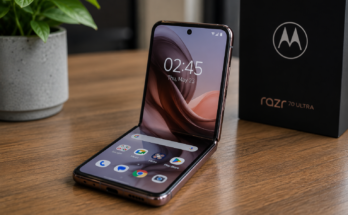
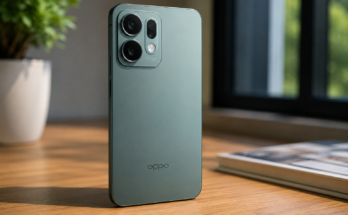
In 2026, smartphones look almost the same as they did a few years ago. The screens are still sleek, the designs are still modern, and the size has not changed much. But something important has shifted inside these devices. The real change is not visible—it is happening quietly beneath the surface. This silent power shift is what makes today’s smartphones more capable, intelligent, and essential than ever before.
Most users do not notice this transformation directly. They simply feel that their phone works better, faster, and smarter. This is because the true power of modern smartphones is no longer about appearance, but about how they function internally.
From Hardware Strength to Smart Intelligence
In the past, power in smartphones was measured by hardware. People compared processors, RAM, and storage to decide which phone was better. While these factors still matter, they are no longer the main focus.
In 2026, power has shifted toward intelligence. It is not just about how fast a phone is, but how smartly it uses its resources. Modern devices can manage tasks, predict needs, and optimize performance without requiring user input.
This change makes smartphones feel more advanced without relying only on hardware upgrades.
Processing Power That Works in the Background
Today’s smartphones are equipped with powerful processors, but their strength is used differently. Instead of only handling heavy tasks, these processors now support intelligent systems.
They help with:
- Learning user behavior
- Managing apps efficiently
- Running AI-based features
All of this happens in the background. Users do not need to think about it, but they benefit from smoother performance and faster responses.
This invisible use of processing power is a key part of the silent shift.
Artificial Intelligence as the New Core
Artificial intelligence has become the center of smartphone functionality. It is no longer just an extra feature—it is part of the core system.
AI helps smartphones:
- Understand user habits
- Provide smart suggestions
- Automate routine tasks
Because of AI, phones can act before users even ask. This makes devices feel more helpful and less dependent on manual control.
Efficiency Over Raw Performance
Another important part of this shift is efficiency. Instead of focusing only on raw power, smartphones now aim to use energy and resources wisely.
For example:
- Apps are optimized based on usage
- Battery life is managed intelligently
- Background processes are controlled
This results in better performance without wasting energy. The phone feels faster and more reliable, even without major hardware changes.
Smarter Battery Management
Battery technology has improved, but the real difference comes from smarter management. Smartphones now learn how users interact with their devices and adjust power usage accordingly.
They may:
- Reduce activity for unused apps
- Optimize charging patterns
- Balance performance with energy use
This ensures longer battery life without requiring users to change their habits.
Data Processing on the Device
Another major shift is where data is processed. In the past, many tasks relied on cloud servers. Now, more processing happens directly on the device.
This has several benefits:
- Faster performance
- Better privacy
- Reduced dependency on internet connection
By handling data locally, smartphones become more secure and efficient.
Seamless Multitasking Without Effort
Modern smartphones can handle multiple tasks at once without slowing down. This is not just because of better hardware, but because of smarter system management.
The device decides:
- Which apps need priority
- Which processes can wait
- How to balance resources
This creates a smooth experience where users can switch between tasks without interruption.
The Rise of Invisible Features
Many of the most powerful features in 2026 are invisible. They work in the background and do not require attention.
Examples include:
- Automatic updates
- Security monitoring
- Performance optimization
These features improve the device without adding complexity. Users benefit without needing to manage anything.
A More Personal Device
As smartphones become smarter, they also become more personal. They adapt to individual users and create unique experiences.
They learn preferences, habits, and routines, then adjust accordingly. This makes each device feel customized to its user.
This personal touch is part of the new definition of power—power that understands and adapts.
Changing the Role of Smartphones
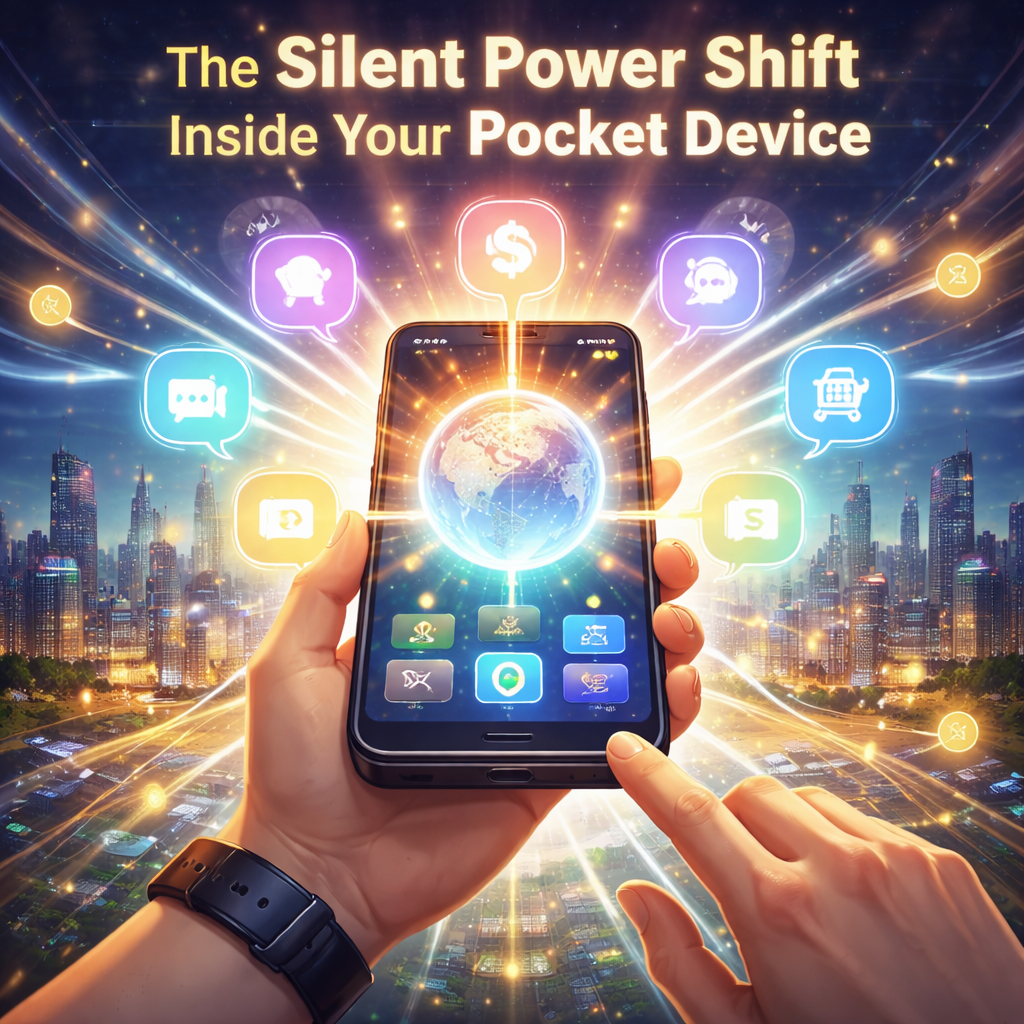
Because of this silent shift, smartphones are no longer just tools. They are becoming essential companions that support daily life.
They help with:
- Organizing schedules
- Managing tasks
- Providing information instantly
This expanded role makes them more important than ever before.
A Future Driven by Intelligence
The silent power shift in 2026 is only the beginning. Smartphones will continue to evolve, becoming even more intelligent and efficient.
Future devices may:
- Predict needs more accurately
- Offer deeper personalization
- Operate with even less user input
The focus will remain on making technology simple and helpful.
Conclusion
The real power of smartphones in 2026 is not in what you can see, but in what you can feel. Through smarter systems, better efficiency, and advanced intelligence, devices have become more capable without becoming more complicated.
This silent transformation is changing how people use technology. Smartphones are no longer just fast—they are smart, adaptive, and deeply integrated into everyday life.
As this shift continues, the devices in our pockets will become even more powerful, not by adding more features, but by working better in ways we barely notice.