A New Way of Doing Daily Things
In 2026, smartphones are not just helping with tasks—they are changing how those tasks are done. Everyday activities like messaging, shopping, planning, and even thinking have been reshaped by mobile technology. What once required effort, time, and attention is now faster, simpler, and often automatic.
This shift is not loud or dramatic. It happens quietly, but it has a deep impact on daily life. People are no longer doing things the same way they did a few years ago. Mobile technology has rewritten the rules of everyday routines.
From Manual Effort to Smart Assistance
In the past, completing simple tasks required multiple steps. You had to open apps, search for information, and make decisions on your own. Now, smartphones assist at every stage.
For example, instead of searching for directions, your phone may already suggest the best route. Instead of typing long messages, it offers quick replies. These small changes reduce effort and save time.
The result is a smoother experience where tasks feel lighter and easier to manage.
Communication Has Become Faster and Smarter
One of the biggest changes is in communication. Messaging is no longer just about typing and sending. Smartphones now help users communicate more efficiently.
They can:
- Suggest replies based on the conversation
- Highlight important messages
- Translate languages instantly
This makes communication faster and more convenient. People spend less time thinking about what to write and more time focusing on the conversation itself.
Shopping Without Searching
Shopping has also changed in a major way. In the past, users had to search for products, compare options, and make decisions manually. Now, smartphones suggest products based on user behavior.
For example:
- Recommending items based on past purchases
- Notifying about discounts at the right time
- Suggesting alternatives instantly
This reduces the need to search and compare. The phone brings options directly to the user, making shopping quicker and more personalized.
Smarter Planning and Scheduling
Planning daily activities has become much easier. Smartphones now manage schedules, reminders, and events in a more intelligent way.
They can:
- Automatically add events from messages
- Remind you at the right time based on location
- Suggest better times for tasks
This means users do not need to remember everything. The phone acts like a planner that keeps everything organized.
Navigation Without Thinking
Navigation is another area where mobile technology has made a big impact. Users no longer need to think about routes or directions.
Smartphones can:
- Suggest the fastest route before you leave
- Adjust directions based on traffic
- Provide real-time updates
This removes the need for planning routes manually. The phone handles everything, allowing users to travel with ease.
Entertainment Made Effortless
Entertainment has also been transformed. Instead of searching for content, users receive suggestions based on their interests.
Smartphones can:
- Recommend movies, videos, or music
- Continue content from where you left off
- Suggest new content based on your behavior
This makes entertainment more enjoyable and less time-consuming.
Simplifying Small Tasks
Many small tasks that once required attention are now automated. These include:
- Auto-filling forms
- Saving passwords
- Organizing files
These features may seem simple, but they save a lot of time. Users do not need to repeat the same actions again and again.
Reducing Decision Fatigue
One of the hidden benefits of mobile technology is reducing decision fatigue. In daily life, people make many small decisions, which can become tiring.
Smartphones now help by offering suggestions and options. Instead of thinking about every choice, users can rely on their device for guidance.
This makes life less stressful and more efficient.
Personalization in Everyday Tasks
Every task now feels more personal because smartphones adapt to individual users. They learn preferences and adjust accordingly.
For example:
- Suggesting favorite apps at certain times
- Recommending food based on taste
- Customizing notifications
This level of personalization makes everyday tasks feel tailored to each user.
Invisible Changes With Big Impact
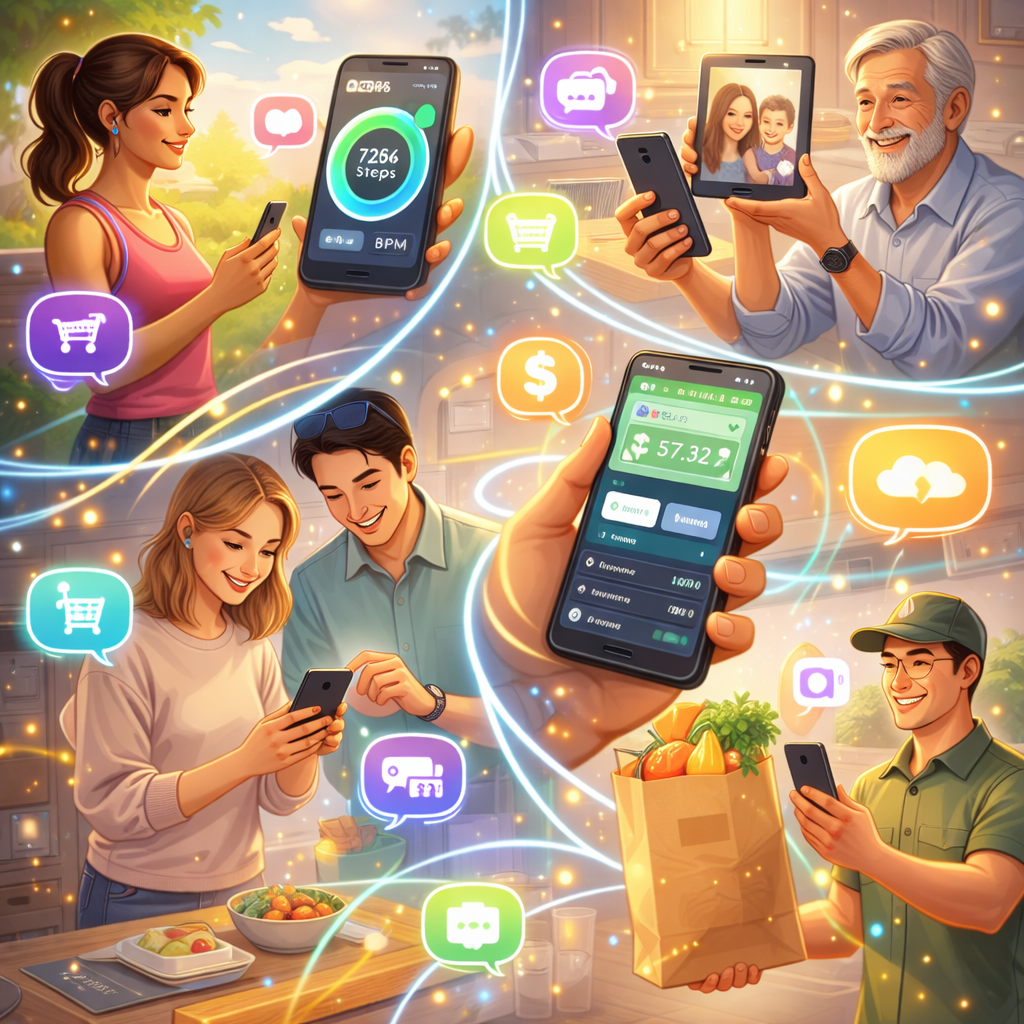
The most important thing about this transformation is that it is mostly invisible. Users do not always notice how much things have changed.
Tasks feel easier, faster, and smoother, but the effort behind this improvement is hidden inside the system. This is what makes modern mobile technology so powerful.
A New Standard for Daily Life
As smartphones continue to evolve, these changes are becoming the new normal. People now expect tasks to be simple, fast, and assisted.
This sets a new standard for how daily activities should work. Technology is no longer just a tool—it is a partner in managing everyday life.
Conclusion
Mobile technology in 2026 is rewriting how everyday tasks are performed. From communication and shopping to planning and entertainment, everything has become smarter and more efficient.
These changes reduce effort, save time, and improve convenience. Even though they happen quietly, their impact is significant.
As smartphones continue to evolve, they will keep reshaping daily life, making tasks easier and more seamless than ever before.