A Shift in Focus
In 2026, the way smartphones are designed has changed in a major way. In the past, companies focused heavily on hardware. They competed over bigger screens, faster processors, and better cameras. While these things still matter, they are no longer the main focus. Today, smartphones are built around user behavior rather than just technical specifications.
This means the priority is no longer what the device has, but how the user lives and interacts with it. The goal is to create a phone that understands habits, adapts to routines, and feels natural to use.
From Specs to User Experience
Earlier, people often compared phones based on numbers like RAM, storage, or processor speed. These specs were important because they directly affected performance. However, in 2026, most smartphones are already powerful enough for everyday tasks.
Because of this, the focus has shifted toward user experience. Instead of asking how fast a phone is, people now care about how smooth and helpful it feels. A device that understands your needs and works effortlessly is more valuable than one with slightly higher specs.
Understanding User Behavior
Modern smartphones are designed to study and understand user behavior. They collect information from daily usage and use it to improve performance and interaction.
They learn things like:
- Your daily routine
- Your most used apps
- Your activity patterns
With this knowledge, the phone can adjust its behavior. It may prioritize certain apps, suggest actions, or organize content based on your habits. This creates a more personalized experience.
Adaptive Interfaces
One of the biggest results of behavior-based design is adaptive interfaces. The layout and features of your phone are no longer fixed. They can change based on how you use the device.
For example:
- Frequently used apps may appear more prominently
- Suggestions may change based on time and activity
- Shortcuts may adjust automatically
This makes the phone easier to use because it adapts to you instead of forcing you to adjust to it.
Smarter Resource Management
Instead of relying only on powerful hardware, smartphones now manage resources more intelligently. They decide how to use processing power, memory, and battery based on user behavior.
For instance, apps you use often may run faster, while less important ones stay in the background. Battery usage is also optimized based on your routine.
This approach makes the device more efficient without requiring constant upgrades in hardware.
Personalization as a Core Feature
Personalization has become a central part of smartphone design. Devices now aim to create a unique experience for each user.
This includes:
- Customized app suggestions
- Personalized content recommendations
- Tailored notifications
The phone feels more personal because it reflects your habits and preferences. No two users have the exact same experience.
Reducing Complexity for Users
Another reason for this shift is the need to reduce complexity. As smartphones became more advanced, they also became harder to manage. Too many features and settings made the experience confusing.
In 2026, the focus is on simplicity. By understanding user behavior, phones can automate many tasks and reduce the need for manual adjustments.
This makes technology more accessible to everyone, regardless of technical knowledge.
The Role of Artificial Intelligence
Artificial intelligence plays a key role in this transformation. It allows smartphones to analyze behavior, make predictions, and adapt in real time.
AI helps in:
- Learning user habits
- Providing smart suggestions
- Automating routine tasks
Without AI, behavior-based design would not be possible. It is the foundation that allows smartphones to become more intelligent and responsive.
Hardware Still Matters, But Differently
Although the focus has shifted, hardware is still important. However, its role has changed. Instead of being the main selling point, hardware now supports smarter software and better experiences.
Powerful processors and efficient components are still needed, but they work in the background. The user does not need to think about them.
What matters more is how well everything works together.
A More Human-Centered Approach
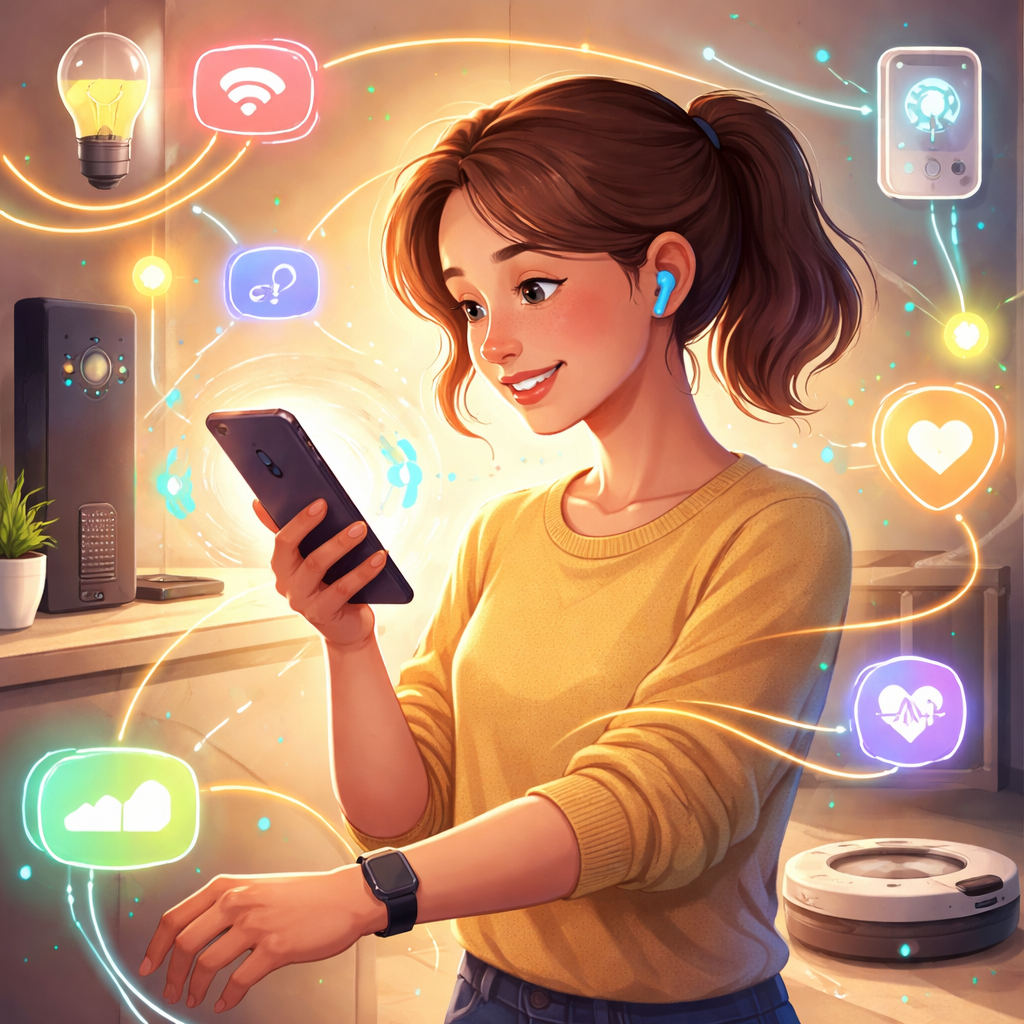
Designing phones around behavior means focusing on human needs. Instead of forcing users to learn how the device works, the device learns how the user behaves.
This creates a more natural interaction. The phone becomes easier to use because it aligns with real-life habits.
This human-centered approach is one of the biggest reasons smartphones feel more advanced in 2026.
Improving Daily Life
Behavior-based smartphones improve daily life in many ways. They save time, reduce effort, and make tasks more efficient.
For example:
- Automatically suggesting actions
- Organizing information clearly
- Reducing unnecessary steps
These improvements may seem small, but they add up to create a smoother experience.
Looking Toward the Future
The trend of designing smartphones around behavior will continue to grow. Future devices may become even more adaptive and personalized.
They may understand users on a deeper level and offer more accurate support. However, the goal will remain the same: to make technology simple, helpful, and easy to use.
Conclusion
In 2026, smartphones are no longer defined by hardware alone. They are built around user behavior, focusing on how people live and interact with their devices.
This shift has made smartphones more personal, efficient, and intuitive. By understanding habits and adapting to routines, modern devices provide a better experience without adding complexity.
As technology continues to evolve, this behavior-first approach will shape the future of mobile devices, making them smarter and more human-focused than ever before.