A Quiet Turning Point in Technology
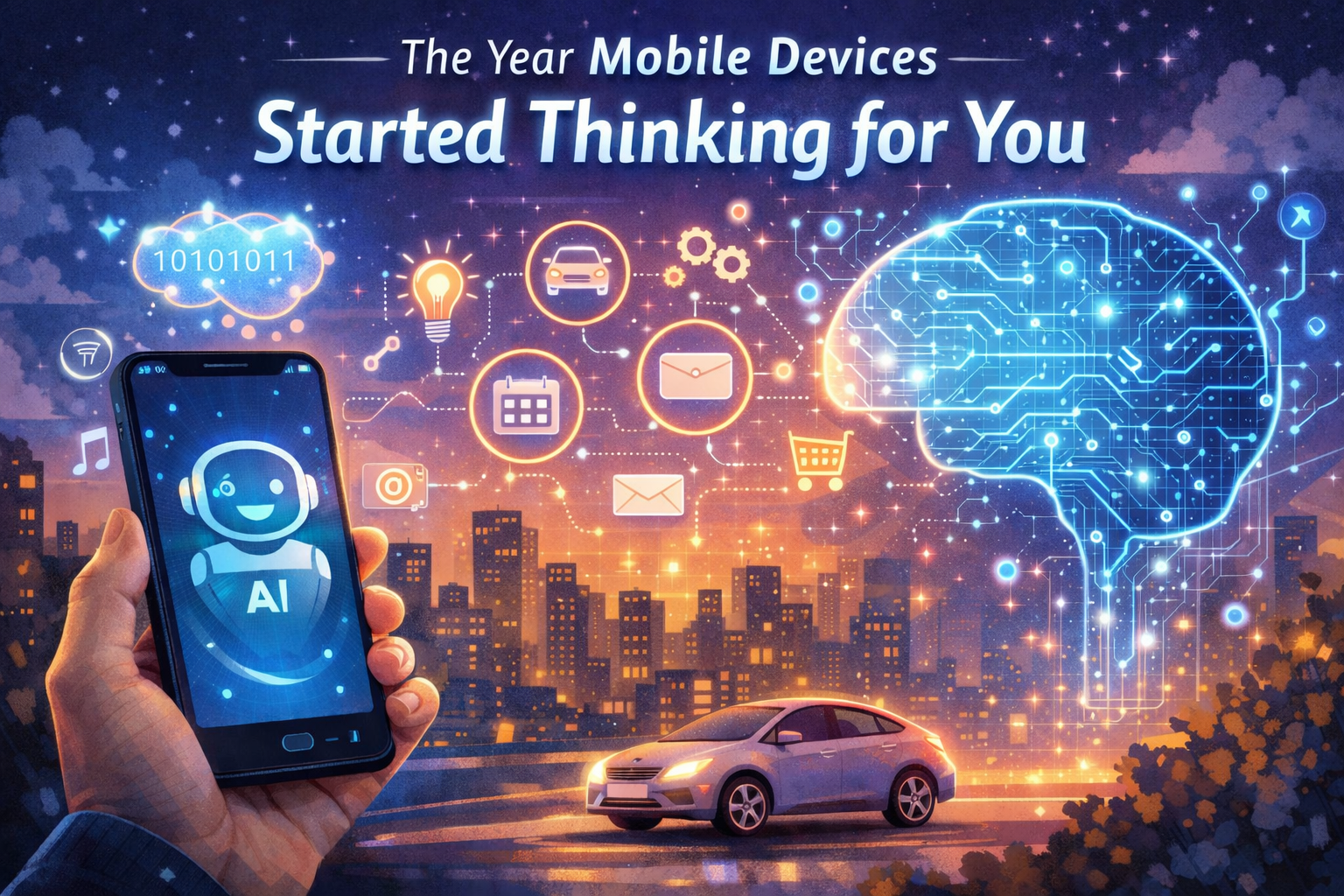
The year 2026 is not remembered for one big invention, but for a silent transformation in how smartphones work. This is the year when mobile devices stopped behaving like simple tools and started acting like intelligent systems. Instead of waiting for commands, phones now take initiative. They observe, learn, and respond in ways that feel natural and effortless. This shift has changed the role of smartphones from passive devices to active digital partners.
In the past, users had to control everything manually. Every task required attention, time, and effort. But now, smartphones are reducing that burden by handling many small decisions on their own. This change is subtle, but it has a powerful impact on everyday life.
From Reactive to Proactive Devices
One of the biggest differences in 2026 is how smartphones behave. Earlier, devices were reactive. They waited for users to open apps, type commands, or give instructions. Now, smartphones are proactive. They do not just respond—they act in advance.
For example, your phone may remind you to leave home early because it knows traffic conditions. It may suggest replying to an important message or show your daily schedule before you even ask for it. These actions are based on your habits and patterns, which the device learns over time.
This proactive behavior reduces the need for constant interaction. It allows users to focus on their day while the phone handles small but important tasks.
The Role of Artificial Intelligence
At the center of this transformation is artificial intelligence. Modern smartphones are powered by advanced AI systems that can process and understand user behavior. These systems work in the background, collecting data from daily usage.
They learn things like:
- Your routine and schedule
- Your preferred apps and services
- Your communication habits
With this information, the phone becomes smarter over time. It can make accurate suggestions and provide useful insights. Unlike older systems, this intelligence feels personal and adaptive rather than generic.
Understanding Context and Environment
Another major improvement is context awareness. Smartphones in 2026 can understand your situation better than ever before. They know where you are, what time it is, and what you are likely doing.
For instance, when you enter your workplace, your phone may switch to silent mode automatically. When you start driving, it may open navigation or enable hands-free features. These adjustments happen without manual input.
This ability to understand context makes smartphones more helpful and less intrusive. They act according to your environment instead of forcing you to adjust settings repeatedly.
Natural and Human-Like Interaction
Voice assistants have also evolved significantly. In earlier years, users had to give specific commands, which often felt robotic. In 2026, communication with smartphones is more natural.
You can speak in simple language, and your phone understands your intent. It can answer questions, set reminders, and even continue conversations without confusion. This creates a smoother experience that feels closer to human interaction.
As a result, users spend less time typing and more time speaking, making technology easier to use for everyone.
Smarter Information Management
Smartphones are now better at organizing and managing information. They collect data from different sources such as apps, calendars, and user activity. Then they combine this information to create useful suggestions.
For example, your phone may remind you about an upcoming meeting based on your location and time. It may also suggest saving important documents or highlight tasks that need attention.
This level of organization helps users stay on track without needing multiple apps or manual planning.
Decision-Making and Smart Suggestions
One of the most noticeable changes in 2026 is how smartphones assist in decision-making. They do not just provide information—they help users choose the best option.
For example:
- Suggesting the fastest route based on traffic
- Recommending content based on your interests
- Offering quick replies to messages
These features save time and reduce mental effort. Instead of thinking about every small decision, users can rely on their devices for guidance.
Reducing Effort in Daily Life
Modern smartphones are designed to reduce effort. Many everyday tasks are now automated or simplified.
Some examples include:
- Auto-filling forms and passwords
- Smart replies in messaging apps
- Automatic app organization
These features may seem small, but together they create a smoother experience. Users no longer need to manage every detail manually.
Balancing Intelligence and Privacy
As smartphones become smarter, privacy becomes more important. Users want their data to remain safe while still benefiting from intelligent features.
In 2026, many devices focus on processing data directly on the phone instead of sending it to external servers. This approach increases security and gives users more control over their information.
This balance between intelligence and privacy is essential for building trust in modern technology.
A New Relationship with Technology
The way people interact with smartphones has changed. Devices are no longer just tools for communication or entertainment. They have become digital companions that support daily life.
This new relationship is built on convenience, reliability, and personalization. Users depend on their phones not just for tasks, but for guidance and organization.
As a result, smartphones feel more integrated into daily routines than ever before.
Looking Ahead
The changes seen in 2026 are only the beginning. Mobile devices will continue to evolve and become even more intelligent. In the future, smartphones may understand emotions, predict needs more accurately, and offer deeper support in decision-making.
The goal is not to replace human thinking, but to assist it. By reducing effort and improving efficiency, smartphones are helping users live more organized and productive lives.
Conclusion
The year 2026 represents a major shift in mobile technology. It is the time when smartphones started thinking for users instead of simply following instructions. Through artificial intelligence, context awareness, and smarter interaction, devices have become more helpful than ever before.
This transformation is quiet but powerful. It changes how people use technology and how technology supports people. As smartphones continue to evolve, their role as intelligent companions will only grow stronger.